
Pacific Northwest Car Culture: How Rain, Bridges, Hills, and Outdoor Life Shape What People Drive
A regional map of Pacific Northwest car culture across Seattle–Tacoma–Bellevue and Portland–Vancouver—where rain, Lake Washington and Willamette bridges, hills, mountain passes, outdoor gear, and household schedules decide ownership long before badge preference does.
PNW driving is defined by wet pavement, Lake Washington and Willamette bridges, hills, Cascade passes, and household schedules that may include real outdoor weekends. Ownership choices range from compact city cars and efficient hybrids to AWD family crossovers—when the calendar actually needs them.
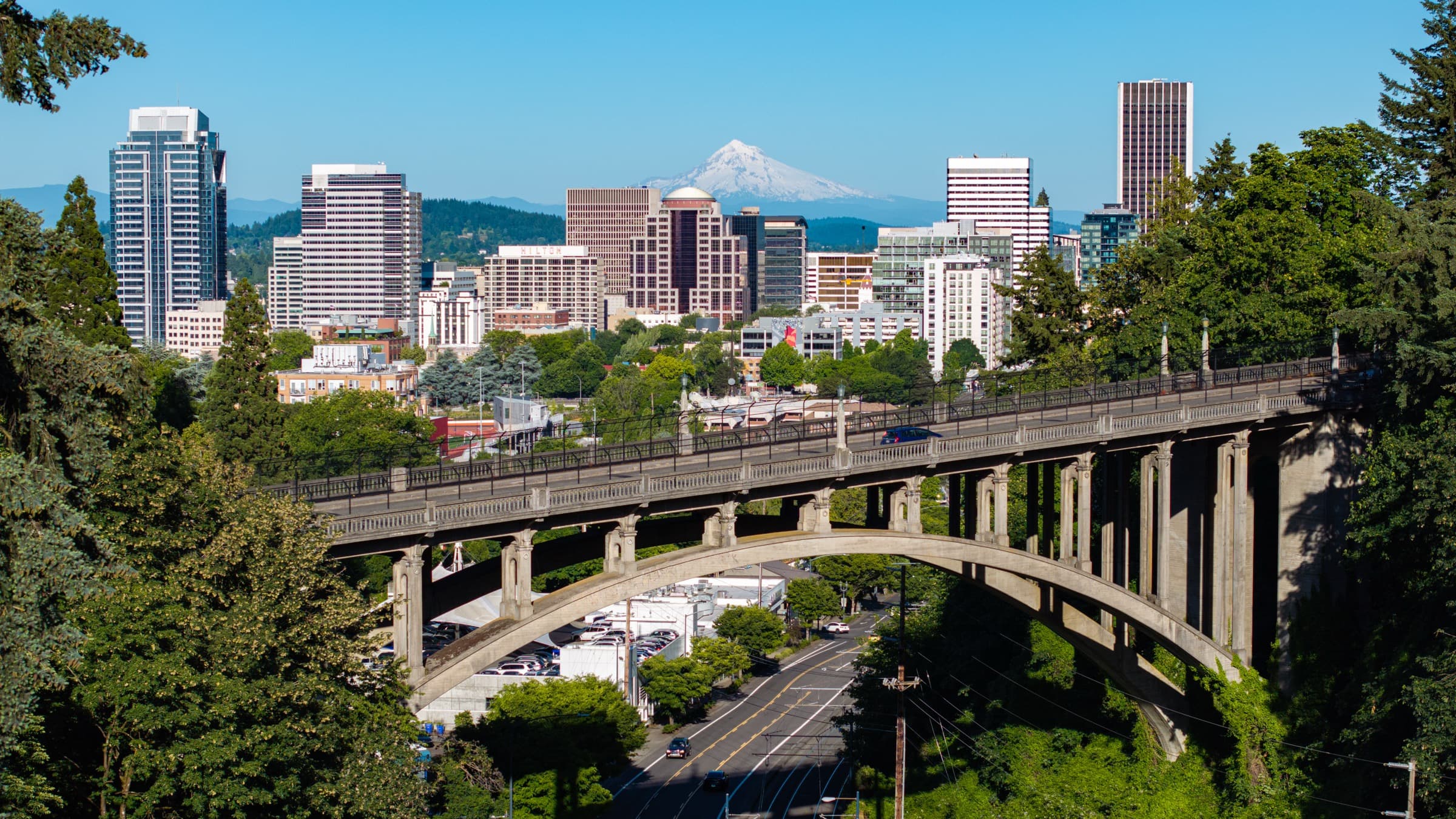
Community context
From Seattle’s Eastside and Bellevue’s large Asian American communities to Portland metro neighborhoods and Vancouver, WA edge cities, multigenerational and tech-campus routines shape trips without prescribing a badge. Cross-border Vancouver, B.C. detail lives primarily on the Greater Vancouver page.
Explore PNW by commute, neighborhood, and driving need
These guides separate local ownership questions into focused pages while this hub keeps the region-wide context and comparisons.
Seattle–Eastside Car Ownership
Seattle, Bellevue, Redmond, Kirkland, and Eastside ownership: SR 520 and I-90 bridges, Good To Go!, Sound Transit, hills, rain, parking, charging, and household schedules.
Ownership realityPortland Car Ownership
Portland metro ownership across Multnomah, Washington, and Clackamas counties: bridges, TriMet, I-5 and US 26, rain, hills, parking, charging, and family schedules.
Commute costsPNW Commute Costs: Bridges, Tolls, and Transit
Worked Pacific Northwest commute math for Good To Go!, SR 520, Tacoma Narrows, I-405 express lanes, parking, fuel, and Sound Transit / TriMet alternatives.
Ownership mathPNW Ownership Costs, Insurance, and Registration
Washington vs Oregon car-cost math for sales tax, registration, RTA and county fees, insurance, fuel, EV tiers, tires, and worked monthly totals.
Seasonal safetyPNW Seasonal Driving: Rain, Snow, and Mountain Passes
Vehicle preparedness for Pacific Northwest rain, hydroplaning, Cascade mountain passes, traction devices, ice, and official WSDOT/ODOT alerts—not a road-trip itinerary.
Car culturePNW Outdoors, Imports, and Motorsport
A respectful guide to Pacific Northwest outdoor vehicle use, import and enthusiast communities, and sanctioned motorsport at venues like Portland International Raceway—not a generic PNW car-culture roundup.
Key numbers for PNW car buyers
- Seattle–Tacoma–Bellevue MSA
- 4.16M
- U.S. Census Bureau July 1, 2025 estimate for the Seattle–Tacoma–Bellevue metropolitan statistical area (4,161,883).
- Portland–Vancouver–Hillsboro MSA
- 2.54M
- U.S. Census Bureau July 1, 2025 estimate for the Portland–Vancouver–Hillsboro, OR–WA metropolitan statistical area (2,542,282).
- SR 520 weekday peak toll
- $4.90
- Good To Go! pass rate for two-axle vehicles on weekdays 7–10 a.m. and 3–7 p.m., per WSDOT schedules effective since August 15, 2024. Pay By Mail is $2 higher.
- 2023 WA auto expenditure
- $1,152.50
- NAIC / III average expenditure per insured vehicle in Washington (rank 25). Oregon was $1,170.31 (rank 20). ZIP-level quotes still control.
- 2025 WA regular gasoline
- $4.132/gal
- U.S. EIA annual average for Washington regular all-formulations retail gasoline (2025). Oregon’s AAA statewide 2025 average was about $3.87. Use a current local pump price for live math.
- Bellevue Asian alone
- 42.8%
- U.S. Census Bureau QuickFacts Asian alone share for Bellevue city. Demographics describe communities and schedules, not brand preferences.
- Oregon sales tax on cars
- None
- Oregon has no general statewide sales tax, including on motor vehicles. Washington charges sales or use tax on vehicle purchases; Sound Transit-area RTA excise tax can also apply at renewal.
- OR passenger registration (20–39 MPG)
- $136 / 2 yr
- Oregon DMV biennial passenger registration for most mid-efficiency cars under the fee schedule effective December 31, 2025. EVs and 40+ MPG vehicles pay different tiers; Multnomah, Washington, and Clackamas counties add local fees.
The PNW is two metros, many bridges, and one wet calendar
Pacific Northwest driving is easiest to misunderstand when it is reduced to one image: an AWD crossover with a roof box, a compact hatchback parked on a Seattle hill, or a weekend Subaru pointed at the Cascades. Those scenes share rain and hills. They do not share the same toll systems, transit substitutes, state tax rules, or mountain-pass habits. A useful regional guide begins with the weekly map—where the car sleeps, which bridges it crosses, who rides in it, and which Cascade trips actually recur.
Scale comes first. Census July 2025 estimates place Seattle–Tacoma–Bellevue at about 4.16 million people and Portland–Vancouver–Hillsboro at about 2.54 million. I-5 joins them, but ownership decisions are usually metro-local: Eastside bridge tolls, Sound Transit Link access, TriMet MAX and bus coverage, Willamette bridge parking, and whether overnight charging is controlled. Cross-border Vancouver, B.C., weekends matter for some households; deep Canadian ownership detail lives on the Greater Vancouver page and the Seattle–Vancouver road trip.
Rain is the daily filter. Wet pavement, leaf-slick autumn streets, and limited winter daylight make tires, visibility, and following distance more important than an off-road aesthetic. Mountain snow is a separate filter. Snoqualmie, Stevens, White, and Santiam passes can require traction devices, chain-compatible vehicles, or a decision to stay home. The seasonal child covers preparedness; the metro children translate wet-weather ownership into parking, theft, and commute tests.
Cost structures diverge at the state line. Oregon has no general sales tax on cars, while Washington adds sales or use tax and, in the Sound Transit district, Regional Transit Authority excise tax on many renewals. Washington Good To Go! prices SR 520, Tacoma Narrows, SR 99 tunnel, and I-405 express toll lanes; Portland’s bridge network is different. NAIC’s 2023 average expenditures—about $1,153 in Washington and $1,170 in Oregon—are statewide references, not Bellevue or Multnomah quotes.
Community context belongs without becoming a stereotype. Bellevue’s Asian alone share is 42.8% in Census QuickFacts; Eastside and Portland suburbs carry multigenerational, tech-campus, and university routines that shape airport, school, and caregiving trips. Those facts justify attentive household testing. They do not prescribe a badge, an AWD default, or a three-row SUV.
Start with the calendar before shopping: workplaces, school or caregiving stops, bridge crossings, mountain weekends that actually happen, charging control, and trips that collide. That map shows whether the household needs one versatile vehicle, two specialized vehicles, or a car plus transit and rentals. The child guides below take each metro and cost problem in turn.
I-5, Lake Washington bridges, and transit as a household system
I-5 is the long bone of the corridor; I-90, I-405, SR 520, US 26, and I-84 handle the daily weave. Seattle-area households should treat Good To Go! facilities as priced reliability options—especially SR 520’s time-of-day tolls and I-405 express lanes—not as free upgrades included with the car. Portland’s Willamette bridges, MAX lines, and parking rules create a different trade between owning and riding.
Transit can change vehicle count when endpoints cooperate. Sound Transit Link, Sounder, and buses in the Seattle region, and TriMet MAX, WES, and frequent bus service in Portland, can remove a hard parking day or a peak freeway segment. Test the full chain—station access, last mile, late return—before treating a nearby stop as proof.
Outdoor and mountain access sits beside commuting. A roof box, hitch rack, or AWD system earns its keep only when the household uses it often enough to justify fuel, tires, insurance, and payment. Rentals and one well-chosen daily vehicle often beat two financed SUVs bought for imagined Cascades weekends.
Regional ownership patterns before you shortlist
The Eastside bridge commuter
SR 520 or I-90 crossings several days a week turn Good To Go! into a fixed line item. Price the exact peak window, then compare Link or a hybrid schedule before financing a second car for one difficult commute.
The Portland one-car plus transit household
Where MAX or frequent buses cover the hardest workdays, test one efficient household vehicle against two payments. Include station access, rain-soaked bike connections, and late returns.
The Cascades weekend regular
Count real winter and summer trips before buying clearance, AWD, and cargo systems. Traction devices, tire condition, and pass alerts matter more than an adventure badge.
The Oregon–Washington tax comparison
A move or purchase across the state line changes sales tax, registration tiers, and RTA exposure. Run acquisition and renewal math for the actual address before assuming one state’s sticker price equals the other’s total.
Charging and powertrain choices in wet, hilly metros
A home-charged EV can suit predictable metro mileage when the household controls overnight charging and accepts winter and mountain range effects. Public fast charging supports travel and exceptions; it is a weak weekly foundation when every charge requires moving the car in the rain and competing for working stalls.
An efficient hybrid remains strong for renters, uncertain charging, and frequent pass travel. A PHEV earns its battery only when plugged in often enough to cover recurring local trips. Compare the whole stack—payment, insurance, tires, registration, energy, and tolls—rather than EPA range alone.
Oregon’s EV registration tier and Washington’s electricity rates, HOA rules, and apartment stall control vary widely. Use the public-versus-home charging and hybrid-versus-EV calculators with the household’s actual bill and schedule.
What to carry into the showroom
Pacific Northwest car culture rewards vehicles that survive the household map: rain, bridges, hills, mountain weekends that are real, insurance, and the passengers who ride every week. Start with that map, then open the metro or cost guide that matches your address.
Choose the smallest, most efficient vehicle that clears the repeated hard trip. Rent for rare extremes. Revisit the plan after a job change, a move across Lake Washington or the Columbia, a charger installation, or a new insurance quote.
The regional culture is practical and plural—commuter hatchbacks, Eastside family crossovers, outdoor builds, imports, and track-day cars coexist. Participate respectfully, and let the child guides carry the local detail this hub intentionally leaves open.
Related guides
- Seattle–Eastside Car Ownership
- Portland Car Ownership
- PNW Commute Costs: Bridges, Tolls, and Transit
- PNW Ownership Costs, Insurance, and Registration
- Seasonal Driving: Rain, Snow, and Mountain Passes
- Outdoors, Imports, and Motorsport
- Greater Vancouver
- Seattle to Vancouver Road Trip
- Commute Cost Calculator
- Hybrid vs EV Monthly Calculator
- Public vs Home Charging Calculator
- Best Cars for Long Commutes
- Best Cars for Multigenerational Households
- Hybrid vs EV for City Drivers
Driving patterns
- ·Eastside–Seattle commutes on SR 520, I-90, and I-405 with Good To Go! costs
- ·Portland metro trips across Willamette bridges with TriMet options
- ·Wet-season urban and suburban driving on hills and leaf-slick streets
- ·Seasonal Cascade pass travel that requires traction planning
Likely vehicle needs
- ·Wet-braking tires and strong visibility gear
- ·Efficiency for bridge and freeway mileage at PNW fuel prices
- ·Cargo matched to real outdoor frequency, not rare extremes
- ·Parking and charging control before powertrain choice
EV and hybrid fit
Home-charged EVs can work for predictable metro miles when overnight charging is controlled. Hybrids remain strong for renters, uncertain charging, and frequent winter pass trips. Oregon EV registration tiers and cold-weather range belong in the comparison.
Luxury and status signals
Understated premium crossovers and efficient luxury hybrids fit many Eastside and Portland professional corridors. Overt status signaling is less common than in SoCal.
Family and multigenerational considerations
Eastside and suburban Portland households often run one efficient commuter plus one flexible family vehicle. Three-row capacity earns its keep when school, caregiving, and airport duty collide.
Road trip ideas
Related buying guides
Seattle to Vancouver Road Trip
Practical framework for shoppers in this region.
Best Cars for Long Commutes
Practical framework for shoppers in this region.
Best Luxury SUVs for Family Road Trips
Practical framework for shoppers in this region.
Hybrid vs EV for City Drivers
Practical framework for shoppers in this region.
Best Cars for Multigenerational Households
Practical framework for shoppers in this region.
Best Cars for Asian American Families
Practical framework for shoppers in this region.
EV and hybrid guides
Relevant Drive Notes
Rivian’s 2027 R1S Finally Gets Second-Row Captain’s Chairs
The 2027 R1S adds optional second-row captain’s chairs with a center pass-through, Rivian’s most-requested interior feature since launch. The R1 lineup also moves to Premium, Performance, and Quad trims, with starting prices of $83,990 for the R1S and $79,990 for the R1T.
PolicyThe World Already Chose Electric Cars. America Is Still Arguing
Elsewhere, electric cars already feel normal. In the U.S., they still feel like an argument. The International Energy Agency’s latest outlook shows why that gap is about policy and price, and why the destination is still electric.
Car CultureAn American Won the Freedom 250. The National Mall Was Already a Set.
Kyle Kirkwood led 128 of 147 laps and gave the Freedom 250 the American winner its pageantry demanded. Before the green flag there was a presidential parade lap, six branches of military flyovers, and a National Gallery that had boarded up its skylights just in case.