
Best Cars for Multigenerational Households
When grandparents, parents, and kids share rides, the car is care infrastructure. This guide prioritizes step-in height, sliding doors, second-row comfort, and cargo for appointments — then shortlists minivans and three-rows without crowning a single badge.
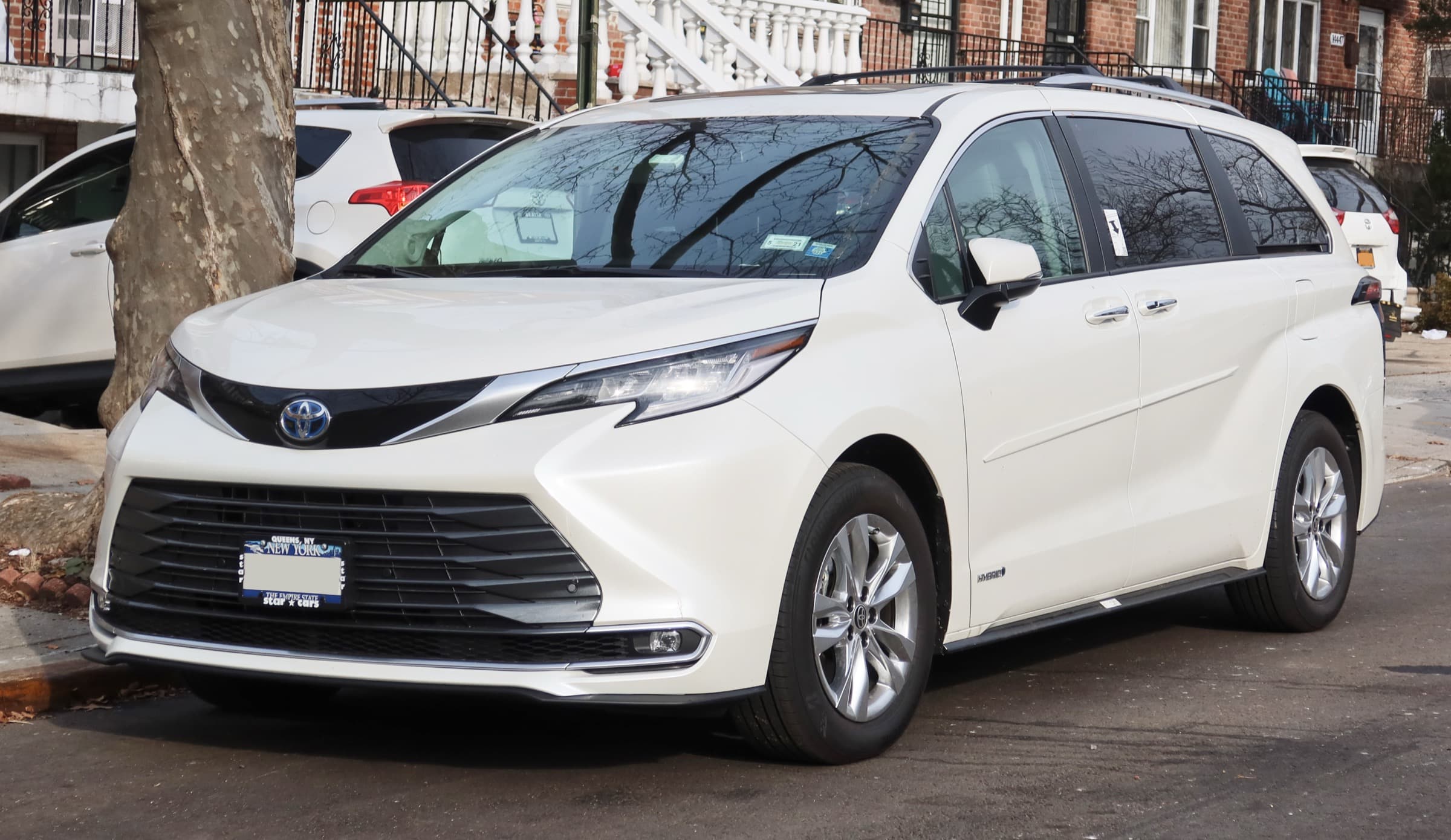
Quick answer
- How common is this?
- U.S. Census ACS 2024 counts about 5.0 million multigenerational households (three or more generations) — roughly 3.8% of households. Pew’s broader definition found about 24% of Asian Americans living in multigenerational arrangements in 2021.
- Best default category
- Minivan (Sienna, Odyssey, Carnival, Pacifica class) when elders or car seats ride weekly — sliding doors and low step-in beat fashion SUVs on pure access.
- Best SUV-shaped path
- Low-step three-row with a usable second row (Highlander/Grand Highlander, Pilot, Palisade, Telluride, CX-90 class) — only after elders try getting in and out.
- Caregiving reality
- AARP and the National Alliance for Caregiving’s Caregiving in the U.S. 2025 report: among ~63 million family caregivers, 79% provide transportation for an older adult or person with a disability.
- Canada note
- Statistics Canada 2021: 2.9% of private households were multigenerational, home to 2.4 million people (6.5% of the population), concentrated in Ontario and B.C.
- Next step
- Bring the eldest regular passenger to the second test drive. Compare Carnival vs Sienna vs Odyssey if sliding doors win — then run affordability with insurance.
The family car is part of how care actually happens
Multigenerational households do not shop like couple-only households. Someone needs a low step and a wide door. Someone needs a third row that is not theater. Someone needs space for a walker, a stroller, and Costco water on the same Saturday. Someone else still wants the vehicle to look responsible at temple, church, or a relative’s driveway.
The U.S. Census Bureau’s 2020 count put 6.0 million multigenerational households under one roof — 4.7% of all households and 7.2% of family households. ACS 2024 Table B11017 still shows about 5.0 million such households. Pew Research Center’s broader adult-generation definition found roughly one in four Asian Americans in multigenerational living in 2021, versus about 13% of White Americans. Those shares explain why this page exists; they do not prescribe a badge.
AARP and NAC’s Caregiving in the U.S. 2025 report estimates about 63 million family caregivers, with 79% providing transportation. The vehicle is not a lifestyle accessory in that world. It is how medical appointments, grocery loops, and airport weeks get done without turning every trip into a negotiation.
This guide does not crown one “best” model. It offers tests, shortlists, and honest trade-offs — minivan practicality versus three-row styling, captain’s chairs versus bench reality, and when a second smaller car beats one oversized compromise.
Five tests every multigenerational car must pass
Bring the people who will actually ride. Brochure photos will not tell you if your aunt can exit at a curbside clinic.
Test 1
The Step-In and Door Test
Human-factors research on older adults and vehicle ingress/egress shows mobility changes alter how people climb in and out — and that design differences show up more on exit than entry. Treat that as a live test, not a theory. Wide openings and grab points matter more than a sporty ride height.
Test 2
The Second-Row Comfort Test
NHTSA’s older-occupant work notes that comfort and fit problems can lead some older adults to misuse belts — for example routing the shoulder strap behind the back. Use D-ring height adjusters on the test drive. If someone already uses a belt pad or seat cushion at home, bring it.
Test 3
The Appointment Cargo Test
If a mobility device is weekly, ask dealers about factory or upfitter accessibility options early. Do not assume a tall three-row SUV is easier than a minivan with a wide sliding door.
Test 4
The Driver-Skill Spread Test
If an elder still drives the car some days, sit them in the driver’s seat with their usual glasses and shoes. Seat memory and easy mirror controls are not luxuries in a shared vehicle.
Test 5
The Payment-and-Parking Test
Toyota sold about 101,500 Siennas in 2025 and Honda about 88,500 Odysseys — demand is real, and so is inventory pricing. Run the affordability calculator before you stretch into a loaded Platinum trim you will park nervously every weekend.
Monthly stack = payment + insurance + fuel + parking + maintenance buffer
If two cars: stack both before claiming the big vehicle is “the only cost”
Worked example
- ·Hybrid minivan at $550 payment + $180 insurance + $160 fuel vs gas three-row at $520 + $200 + $240 — total stack can flip the “cheaper payment” story.
Test-drive checklist with elders aboard
Do this before you negotiate price.
- Eldest regular passenger enters/exits both curbside and parking-lot sides
- Second-row belt fit checked with D-ring adjustment
- Car seats installed and removed once if kids ride
- Walker or wheelchair loaded through the intended door or liftgate
- Driver of shortest and tallest household members try the pilot seat
- Garage height and plaza stall width measured at home
- Insurance quotes on final two trims before signing
Household patterns we see most
Match the weekly passenger mix, then shortlist categories.
Elders in the home, kids in car seats
Daily mix of soft-step access and LATCH installs. Sliding doors usually win. Hybrid fuel savings matter on school-plus-clinic loops.
Likely shortlist
- ·Toyota Sienna Hybrid
- ·Honda Odyssey
- ·Kia Carnival (Hybrid where offered)
Nearby grandparents, airport and weekend duty
Not every week is six people, but holidays and YVR/JFK/LAX weeks are. Prioritize second-row comfort and cargo over daily third-row use.
Likely shortlist
- ·Sienna / Odyssey / Carnival
- ·Pilot / Highlander / Palisade / Telluride class
- ·CX-90 or similar if you want a quieter cabin and will verify step-in
SUV styling required for household peace
Someone refuses a minivan silhouette. Accept the trade-off only after elders pass the step-in test on the exact trim — running boards help some riders and hurt others.
Likely shortlist
- ·Grand Highlander / Pilot / Palisade / Telluride / Traverse
- ·MDX / TX / GV80 if luxury budget and second-row are verified
- ·Keep a compact second car for city errands if the three-row is a weekend tool
Caregiver shuttle, one primary driver
You drive relatives to appointments more than you haul a full household. Ease of entry, camera confidence, and a calm ride matter more than seven seats used twice a year.
Likely shortlist
- ·Low-step crossover or minivan
- ·CPO hybrid with strong reliability reputation
- ·Avoid lifted trucks and performance SUVs that fight hips and insurance
Brand-neutral shortlists by need
Starting points for shopping — not awards. Verify current hybrid availability, crash ratings, and dealer inventory in your market.
Eastward Drive does not claim to have instrumented every trim. Bring your passengers; compare out-the-door prices and insurance quotes.
| Need | Start here | Upgrade path | Watch out for |
|---|---|---|---|
| Maximum access most weeks | Sienna, Odyssey, Carnival, Pacifica | Loaded hybrid minivan with captain’s chairs and power doors | Stigma arguments that ignore who actually rides |
| Three-row look, usable second row | Pilot, Highlander/Grand Highlander, Palisade, Telluride, Atlas | MDX, TX, GV80, XC90 when budget and insurance allow | Third-row marketing when elders never sit back there |
| Tight garage or dense plaza parking | Compact three-row only if elders pass step-in; else minivan length vs height trade-off | Two-car split — small daily car + shared people-mover | Oversized body-on-frame SUVs in underground parking |
| High annual miles + family loops | Hybrid minivan or hybrid three-row | See when a hybrid premium pays off for your miles | Thirsty V6 three-row with no fuel plan |
| Mobility device weekly | Minivan with wide sliding door; ask about accessible upfits early | Specialty conversion vans when a factory cabin is not enough | Assuming any SUV with a liftgate solves wheelchair geometry |
What relatives often mean
Translate the dinner-table lines before you shop.
“We are not a minivan family.”
Translation: Often: we care how the driveway looks. Counter with who rides weekly, then offer a three-row only if step-in passes — or accept the minivan and move on.
“Just get the biggest SUV.”
Translation: Biggest rarely equals easiest entry. Measure step-in, door swing, and garage height before you finance unused volume.
“Toyota only.”
Translation: Reliability trust. You can stay inside that trust (Sienna, Highlander) or show equal service networks and warranty paperwork for Honda, Mazda, Hyundai, or Kia.
“The third row is fine.”
Translation: Have an adult sit back there for twenty minutes. Fine for kids on a short hop is not fine for an elder on a highway clinic run.
Where multigenerational miles concentrate
Local parking, winters, and airport duty change the shortlist.
Northeast
Edison–Iselin, Flushing, and Bergen Koreatown ownership guides cover plaza parking and family highway weeks.
Southern California
SGV and OC multigenerational airport weeks favor sliding doors and hybrid fuel bills on long basin drives.
Texas
Distance and heat reward efficient three-rows and minivans; truck size is optional, not destiny.
GTA
Winter tires, condo height limits, and 401 clinic runs belong in the stack before badge preference.
GVA
YVR pickup duty and wet-weather routines make low step-in and cargo access more important than sport styling.
Household diplomacy is part of the purchase
- Elders often vote on brand familiarity and ride comfort more than horsepower — Toyota, Honda, Lexus, and Hyundai/Kia Genesis packaging frequently clear that filter.
- In many Asian American and Asian Canadian families, caring for parents is shared infrastructure. The car is part of that duty, not a private lifestyle choice.
- Status pressure toward a tall SUV is real; so is the aunt who cannot climb into it. Let the passenger who struggles the most break the tie.
- If relatives help pay, agree who drives, who insures, and who decides on modifications before the dealership invents the story.
Three decision forks
Pick the fork that matches this year’s calendar — not last decade’s brochure.
Minivan versus three-row SUV
If elders or two car seats ride weekly, sliding doors and low step-in usually win. If the household will veto a minivan silhouette no matter what, test three-rows with those same passengers and accept higher lift-over and door swing costs.
Likely best fit: Default minivan for access. Choose SUV shape only after a live step-in pass — then read our Carnival vs Sienna vs Odyssey compare if doors still matter.
One big vehicle versus two calmer ones
A loaded three-row that sits mostly empty burns payment, fuel, and parking stress. Many multigenerational households do better with a compact hybrid for weekday work and a shared minivan or three-row for clinic and airport days.
Likely best fit: Price both stacks. Two modest payments can beat one stretched luxury SUV.
New versus CPO people-mover
Late-model CPO minivans and three-rows can buy warranty calm without new-car depreciation — if inspection and history are clean. Thin credit or harsh used APR can still make a new promotional rate the quieter path.
Likely best fit: Run used vs new with lender quotes, then bind insurance on both VINs.
Mistakes that show up on appointment day
Mistake 1
Buying for the rare full-house trip
Seven seats used twice a year do not justify daily parking pain. Size for the median week, then rent or borrow for reunion weekends if needed.
Mistake 2
Skipping the elder on the test drive
Adult children pass the step-in test easily. The passenger with knee replacements does not. Bring them twice if needed.
Mistake 3
Ignoring belt comfort in the second row
If an older passenger habitually tucks the shoulder belt behind their back, fix seating and D-ring geometry — or pick another vehicle — before you praise the safety suite.
Mistake 4
Assuming SUV height helps everyone
Some hips prefer a higher seat; others cannot climb a tall sill. Running boards and grab handles change the answer — test the exact truck.
Confirm the household can carry the payment
Enter realistic income, debts, and a people-mover insurance estimate. Then compare hybrid vs gas fuel cost if annual miles are high.
The bottom line
The right multigenerational vehicle is the one elders can enter, buckle, and ride in every week — with cargo space for the appointment bag and the grocery run that follows.
Start with sliding-door access, verify the second row with real passengers, and only then argue about SUV silhouettes. Looking stylish matters less than getting everyone home without a struggle.