
Southern California Car Culture: How Freeways, Parking, and Family Life Shape What People Drive
A regional map of Southern California car culture across Los Angeles, the San Gabriel Valley, the Inland Empire, and Orange County—where commute math, curb space, charging access, heat, and household routines decide ownership before badge preference does.
Southern California contains several ownership systems connected by freeways. Parking can dominate the decision in Los Angeles, family trip chains can define the San Gabriel Valley, annual mileage can reshape Inland Empire costs, and Orange County households may pay for toll-road reliability. The right answer begins with the household map rather than one regional default.
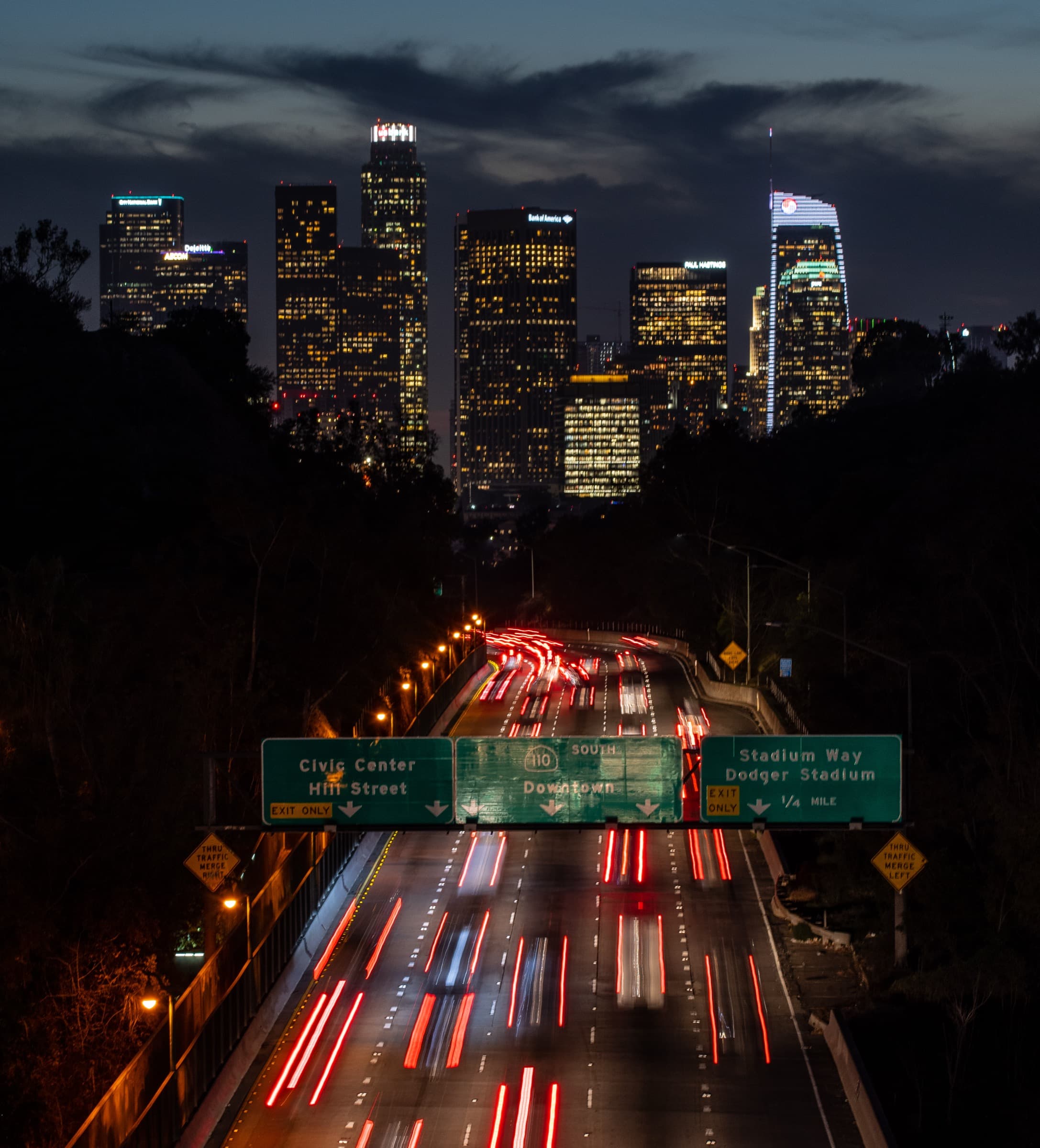
Community context
AAPI communities across the San Gabriel Valley, Orange County, Koreatown, Little Tokyo, Gardena, and Little Saigon contribute distinct family routines and automotive histories. Orange County alone counted 241,557 Vietnamese residents in the 2020 Census — the largest such concentration of any U.S. county — with Bolsa Avenue plazas and multigenerational airport weeks shaping trip chains more than any single badge myth. Demographics help explain language, household structure, and recurring destinations; they do not prescribe a brand, body style, or luxury threshold.
Explore SoCal by commute, neighborhood, and driving need
These guides separate local ownership questions into focused pages while this hub keeps the region-wide context and comparisons.
Orange County Car Ownership: Tolls, Freeways, Charging, and Family Routines
A practical guide to owning a car in Orange County, from I-5 and I-405 construction to toll roads, home charging, school runs, John Wayne Airport, and Anaheim resort traffic.
Seasonal safetySouthern California Seasonal Driving: Mountains, Wildfire, and Desert Heat
Prepare a Southern California vehicle for mountain chain controls, wildfire evacuation, smoke, extreme heat, desert breakdowns, and changing EV range without turning the guide into an itinerary.
Car cultureSouthern California Car Culture: Lowriders, Imports, Motorsport, and Community
A grounded guide to Southern California lowriders, Japanese American and import history, museums, motorsport, cars-and-coffee, and the etiquette that keeps enthusiast spaces welcoming.
Commute costsLos Angeles Commute Costs
Freeway corridors, express lanes, parking, fuel, insurance, Metro alternatives, and worked monthly commute math for Los Angeles drivers.
Ownership realityLos Angeles Car Ownership
Parking permits, street sweeping, theft, apartment charging, heat, and a practical test for whether a car earns its space in Los Angeles.
SGV & Inland EmpireSan Gabriel Valley & Inland Empire Car Ownership
I-10, SR-60, I-210, supercommutes, heat, multigenerational routines, and vehicle needs across the San Gabriel Valley and Inland Empire.
Key numbers for SoCal car buyers
- Los Angeles city population
- 3,878,704
- U.S. Census Bureau estimate for July 1, 2025; this is the city, not Los Angeles County.
- Orange County population
- 3,149,507
- U.S. Census Bureau estimate for July 1, 2025 across the county's 34 cities and unincorporated communities.
- San Gabriel Valley population
- 1.8 million
- Los Angeles County regional-plan figure for 31 cities and unincorporated communities, not a county total.
- LA city mean commute
- 30.7 min
- Census 2020–2024 mean travel time to work for Los Angeles city workers, across modes and schedules.
- Riverside County mean commute
- 33.1 min
- Census 2020–2024 mean for Riverside County workers; individual Inland Empire corridors vary widely.
- Inland Empire supercommuters
- 7.3%
- Workers commuting 90 minutes or more in SCAG's 2024 two-county Inland Empire report.
- Orange County fee-paid vehicles
- 2,983,348
- California DMV 2025 county estimate including cars, trucks, motorcycles, and trailers—not a cars-per-resident ratio.
- California gasoline
- $4.528/gal
- U.S. EIA 2025 statewide annual average for all grades; use a current local price for live math.
Start with the ownership map, then choose the car
Southern California is a collection of ownership systems connected by freeways. A Koreatown renter may work harder to store a car than drive it. A San Gabriel Valley household may coordinate work, school, medical visits, and relatives through one vehicle. An Inland Empire commuter can accumulate high mileage alone, while an Orange County family may cross several job centers without pointing toward Downtown Los Angeles. Ask what the vehicle must do repeatedly and where it will wait.
Draw the weekly map before shopping. Mark each workplace, school or caregiving duty, airport run, family visit, and parking arrangement, then identify simultaneous trips. This reveals whether the household needs no car, one shared car, two specialized cars, or one car paired with Metro, Metrolink, rentals, or ride-hail. It also stops an occasional six-passenger outing from dictating the daily vehicle.
Regional denominators establish scale, not a typical driveway. Los Angeles city's 3.88 million residents sit inside a much larger county. Orange County's 3.15 million span 34 cities and unincorporated areas. The SGV's 1.8 million is a county planning-region figure, while Inland Empire reporting generally combines Riverside and San Bernardino counties. The address and calendar still decide the purchase.
Commute means also need context. Census estimates show 30.7 minutes for Los Angeles city and 33.1 for Riverside County, while SCAG found 7.3% of Inland Empire workers traveled at least 90 minutes. None prices a specific Sepulveda Pass, I-10, or SR-91 trip. Use live route histories, actual monthly office days, destination parking, and selective tolls in the Commute Cost Calculator.
Storage can reverse what looks affordable. Dense Los Angeles adds permits, sweeping, garage fit, and theft exposure. Inland and Orange County driveways can ease parking and charging, while longer distances raise fuel, tire, depreciation, and service costs. Quote insurance for the exact driver, ZIP code, coverage, and trim; no credible single regional premium represents those combinations.
Household composition should shape the fleet without becoming a cultural stereotype. Multigenerational routines can reward easy entry, wide doors, rear climate control, and flexible cargo space, but do not automatically require a three-row SUV. Test actual passengers, child seats, mobility aids, and luggage. A minivan, two-row hybrid, compact commuter, or occasional rental may fit better.
The same restraint applies to culture and climate. Lowriding, Japanese American automotive history, imports, hot rods, legal track communities, and EV builders have distinct roots; participate through sanctioned events and respectful behavior. Heat is routine inland, while wildfire, chain controls, wind, and desert travel need preparation. Correct tires, required traction devices, maintenance, water, energy reserve, and official alerts matter more than rugged styling.
The regional network in one view
I-5 and I-405 are the north–south spines; I-10, SR-60, I-210, and SR-91 move trips east and west; I-15 and I-215 connect inland jobs, housing, mountains, and desert routes. Caltrans QuickMap should settle live questions about incidents, construction, closures, and chain controls.
Tolls are optional time purchases with separate rules. Metro's I-10 and I-110 ExpressLanes, OCTA's 405 lanes, Orange County's 73/133/241/261 network, and SR-91 or I-15 facilities differ in rates, occupancy, transponders, and entry points. Model only trips where reliability has clear value.
Metro, Metrolink, and park-and-ride can remove parking or a difficult freeway segment when the first mile, final mile, schedule, and return work. Compare door-to-door time and current fares. One household vehicle plus rail can be more resilient than two financed cars.
High-level Southern California buying scenarios
Dense-city renter with strong transit
Secure overnight parking first. Compare no car and one shared car against a year of parking, insurance, registration, depreciation, and rentals. If ownership wins, compact dimensions may provide more value than extra seating.
Long-distance Inland Empire commuter
Prioritize seat comfort, efficiency, cooling, tires, and reliability. Compare a hybrid, home-charged EV, and efficient gasoline car with actual annual miles. Separate solo commuting from family duty unless one vehicle must do both.
Multigenerational SGV household
Map overlapping schedules and bring regular passengers to the test. Entry, door opening, climate control, visibility, and usable occupied-seat space matter more than nominal capacity. Compare minivan, two-row hybrid, and three-row crossover.
Orange County household considering a second car
Track two weeks of simultaneous demand. Price occasional tolls, ride-hail, carpooling, or schedule changes against a second payment, insurance policy, registration, and depreciation. Buy only when repeated conflicts justify the fixed cost.
Apartment resident choosing between hybrid and EV
Treat charging as infrastructure, not an amenity promise. Obtain written permission, electrical scope, costs, access rules, and a backup site. If charging remains uncertain, a hybrid may be easier than public-fast-charging dependence.
Weekend mountain or desert traveler
Choose the daily vehicle first. Carry approved traction devices when controls may apply, maintain tires and cooling, preserve energy margin, and bring water for remote heat. Rent specialized capacity for rare trips.
EVs work best when charging belongs to the routine
An EV is easiest when it charges predictably at a driveway, workplace, or managed multifamily station. High repeat mileage can create savings, but compare the actual utility tariff, charging window, efficiency, installation, insurance, and tires in the Hybrid vs EV Monthly Calculator.
Multifamily charging is building-specific. California's 2025 CALGreen rules improve new construction but do not retrofit older apartments. Permission, electrical capacity, conduit, assigned parking, billing, and move-out terms need answers. A charger map cannot promise an available port after a late shift.
Public fast charging works for trips and backup but adds detours, queues, variable prices, and fees to daily life. PHEVs need regular plugging; hybrids remain practical for high-mileage households without charging control.
Heat, speed, climbing, cooling, payload, and detours change EV consumption. During wildfire warnings, preserve a useful reserve and know a backup on another network. Plan mountain or desert arrivals from conservative recent consumption.
What to carry into the showroom
Start with the weekly calendar, corridor map, overnight parking, and control of fueling or charging. Those inputs should decide the number and roles of vehicles before styling, drivetrain, or badge.
Price exact insurance, office days, parking, selective tolls, energy, tires, and depreciation. Choose the smallest footprint that handles regular people and cargo comfortably, then use the six child guides for local detail.
Related guides
- Los Angeles Commute Costs
- Los Angeles Car Ownership
- Orange County Car Ownership
- San Gabriel Valley & Inland Empire Car Ownership
- Southern California Seasonal Driving
- Southern California Car Culture
- LA Dealership Dossiers
- Commute Cost Calculator
- Total Cost of Ownership Calculator
- Car Affordability Calculator
- Hybrid vs EV Monthly Calculator
- Public vs Home Charging Calculator
- Best Cars for Long Commutes
- Best Cars for Multigenerational Households
- Charging at Condos and Apartments
- Los Angeles to San Diego
- Los Angeles to Palm Springs
Driving patterns
- ·Long freeway commutes between suburban homes and job centers
- ·Weekend drives to beaches, mountains, and desert destinations
- ·Frequent short trips for dining, shopping, and community events
- ·Multi-car households with distinct roles for commute vs family use
Likely vehicle needs
- ·Strong highway comfort and fuel efficiency for daily commutes
- ·Reliable air conditioning and heat management
- ·Parking-friendly size for urban-adjacent neighborhoods
- ·Cargo space for family outings and airport runs
EV and hybrid fit
EV adoption is growing in SoCal metros with expanding charging infrastructure, but home charging access varies by housing type. Hybrids remain a strong choice for freeway commuters who want efficiency without charging dependency.
Luxury and status signals
Premium crossovers and sedans from established luxury brands are common in professional communities. Understated quality often matters more than overt performance signaling.
Family and multigenerational considerations
Three-row SUVs and minivans serve multigenerational families who regularly drive together to restaurants, temples, and community gatherings across sprawling metro distances.
Road trip ideas
Related buying guides
EV and hybrid guides
Relevant Drive Notes
Rivian’s 2027 R1S Finally Gets Second-Row Captain’s Chairs
The 2027 R1S adds optional second-row captain’s chairs with a center pass-through, Rivian’s most-requested interior feature since launch. The R1 lineup also moves to Premium, Performance, and Quad trims, with starting prices of $83,990 for the R1S and $79,990 for the R1T.
PolicyThe World Already Chose Electric Cars. America Is Still Arguing
Elsewhere, electric cars already feel normal. In the U.S., they still feel like an argument. The International Energy Agency’s latest outlook shows why that gap is about policy and price, and why the destination is still electric.
Car CultureAn American Won the Freedom 250. The National Mall Was Already a Set.
Kyle Kirkwood led 128 of 147 laps and gave the Freedom 250 the American winner its pageantry demanded. Before the green flag there was a presidential parade lap, six branches of military flyovers, and a National Gallery that had boarded up its skylights just in case.