
The World Already Chose Electric Cars. America Is Still Arguing
Elsewhere, electric cars already feel normal. In the U.S., they still feel like an argument. The International Energy Agency’s latest outlook shows why that gap is about policy and price, and why the destination is still electric.
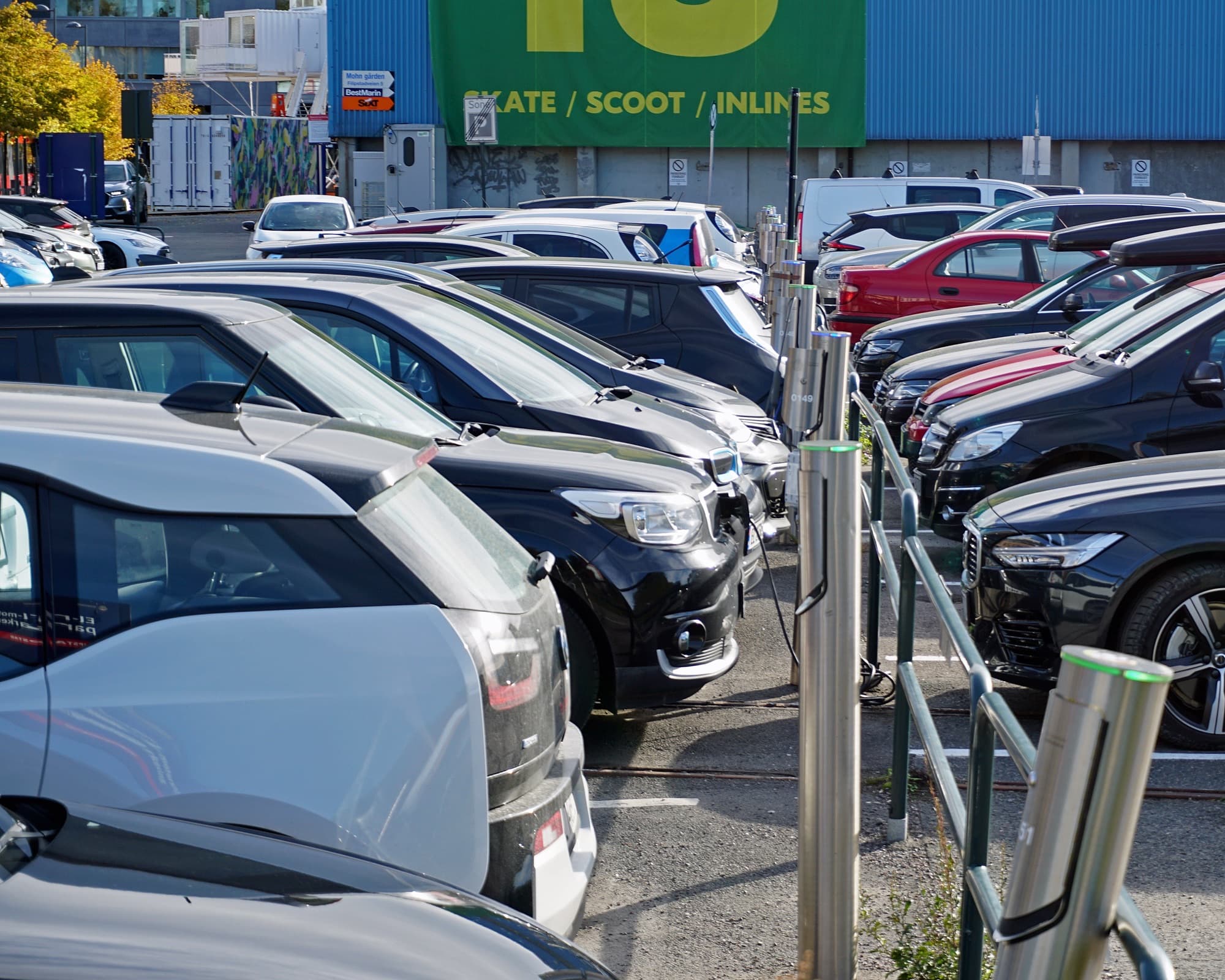
WASHINGTON — Spend a week reading overseas car coverage and you start to feel slightly insane back home. In Oslo, the electric car is not a personality. It is just the car. In Chinese cities, small battery hatchbacks undercut the gas models sitting next to them on the lot.
Then you open an American comment section and watch people debate whether electrics are a fad.
I am done pretending that debate is evenly matched. Battery-electric cars are the future of the passenger car. Hybrids can buy time. Gasoline will hang around. The long arc still points at the plug.
The International Energy Agency’s Global EV Outlook 2026 is the cold water. Electric cars topped 20 million sales worldwide in 2025, about one in four new cars on the planet. China’s market was nearly 55% electric. Europe climbed to 28%. Norway, still the extreme case, finished near 97%. The United States stayed just under 10%.
America did not lose a cultural lottery. It chose different rules and different cars.
Start with Norway, because the outcome looks mystical until you follow the tax bill. For years, gasoline cars carried the load while electrics got VAT and registration breaks that made the electric sticker the smart buy. Early perks on tolls, parking, and bus lanes helped people try it. By the time Oslo started pulling those perks back, the market had already flipped.
Europe’s 2025 rebound was less romantic. Carmakers faced a sharper CO₂ fleet target. Miss it and you pay. So the industry sold more electrics and introduced cheaper models. Sales jumped more than 30%, past 4 million cars. A spreadsheet with teeth will do that.
The meaner story is price. The IEA says about seven in ten battery-electric cars sold in China in 2025 already undercut the average conventional car. JATO Dynamics numbers, via Fortune, still put U.S. electrics at something like a $14,000 premium over gas. When the electric option is the bargain, people buy it. When it is the expensive upgrade, they wait.
Washington made sure the bargain version stayed overseas. Tariffs on Chinese EVs jumped to 100% in 2024. Then the federal clean-vehicle credit ended for purchases after September 30, 2025. Fourth-quarter U.S. electric sales dropped 45% from a year earlier, according to the IEA. Full-year share still scraped near 10% only because the months before the cliff did the lifting.
North of the border is not an escape hatch. Statistics Canada put zero-emission vehicles at 8.7% of new sales in 2025, down from 13.8% after incentive cuts. While North America argued with itself, Southeast Asia’s electric share nearly hit one in five, and Latin America grew 75%.
None of that means you should cancel a hybrid order tomorrow. If you park on the street or need a condo board’s blessing to charge overnight, the friction is real. A good hybrid still solves a lot of weeks.
But a bridge is temporary by design. The global EV fleet already avoided about 1.7 million barrels of oil a day in 2025, mostly in places that forced the shift. The IEA sees that oil savings roughly tripling by 2030 under policies already on the books.
So here is the side I am on. Electrics win on efficiency, day-to-day running cost, and the boring long game of climate and oil security. Make them the affordable default and people show up. Keep them expensive, credit-dependent, and tariff-walled, and you stay stuck arguing about a product decision most of the planet already made.
If you are shopping this year, run the hybrid versus EV monthly calculator, check charging at condos and apartments, and keep the hybrid comeback guide nearby. Buy the car that fits your actual week. Just don’t treat America’s lag as proof that gasoline gets the last word. It doesn’t.