
The Eastward Drive Family Car Guide: The Cars That Pass the Payment, Parents, Airport Pickup, Costco, and Status Test
The definitive Eastward Drive framework for family car shopping when payment math, parent approval, airport pickups, bulk errands, and quiet status all vote before you sign.
Quick answer
- How to use this guide
- These are not test-drive rankings. They are culturally informed shortlists organized by household need, regional reality, and the five tests every family car must pass.
- Best default category
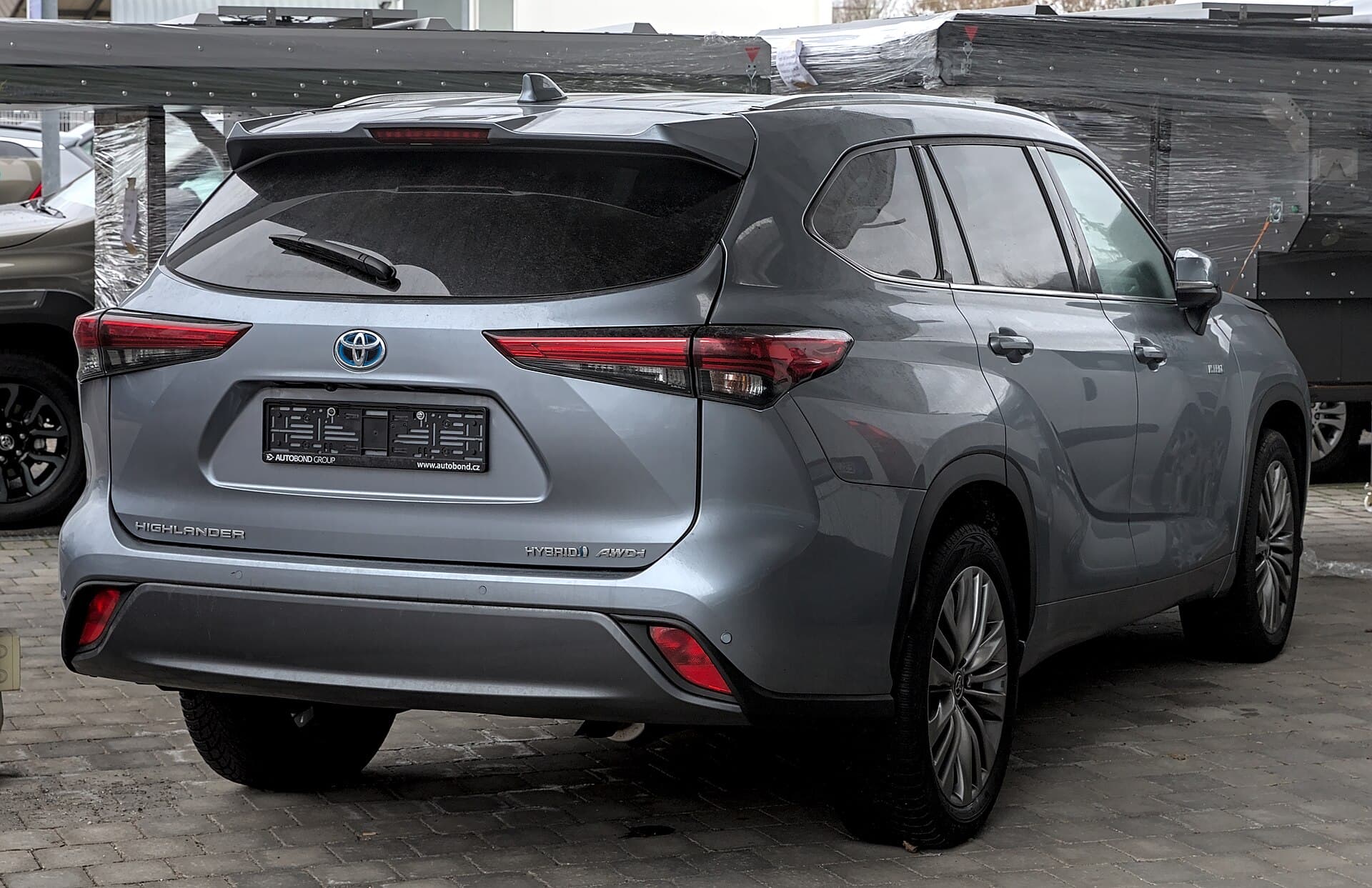
- Three-row hybrid SUV for suburban two-kid families with regular third-row use
- Best for elders + kids
- Minivan or low-step crossover with wide door openings
- Best for city/condo families
- Compact hybrid crossover or PHEV if charging works
- Best quiet upgrade
- Lexus RX/TX, Acura MDX, Genesis GV80, Volvo XC90 class
- Run the numbers first
- Payment, insurance, fuel/charging, and parking before the test drive
Family car shopping is a committee meeting disguised as a dealership visit
Family car shopping is not really one decision. It is a committee meeting disguised as a dealership visit. Someone cares about reliability. Someone cares about the monthly payment. Someone cares whether the third row is usable. Someone says Toyota before anyone has opened a spreadsheet. Someone else wants a Lexus but does not want to admit the badge matters.
In many Asian American and Asian Canadian households, the car in the driveway is a shared verdict. A spouse may care about the monthly payment. Parents may care about the badge and whether the brand feels reliable. Grandparents may care about how easy it is to climb in. Kids may care about screens, legroom, and whether their friends think the car is cool or embarrassing.
That makes the purchase closer to household diplomacy than spec-sheet comparison. You are not just buying transportation. You are buying something that has to work for school runs, Costco and H-Mart runs, airport pickups, restaurant parking lots, temple and church events, and the quiet question of whether the purchase looks responsible to relatives who notice these things.
Reputation and value travel through family networks faster than any dealer brochure. An uncle who swears by a certain brand can carry more weight than a five-star review. A cousin who bought the wrong trim and regretted it becomes a cautionary tale at the next dinner.
This guide does not crown a single model. Eastward Drive does not claim to have test-driven every vehicle on this list unless explicitly noted elsewhere. What we offer is a proprietary framework: the cars and categories that pass the payment test, the parent test, the airport pickup test, the bulk-errand test, and the status test. Match your household to the tests first. Then compare trims in your market.
The five tests every family car must pass
Before you test-drive anything, run the car through these five filters. They map to how Asian North American households actually shop: math first, family trust second, real cargo third, and driveway politics last.
Test 1
The Payment Test
Can the car survive the actual monthly budget after insurance, gas or charging, maintenance, registration, and parking? Not the payment the salesperson highlights. The number that still works if insurance comes in high, if gas spikes, or if you need winter tires in Toronto or all-season replacements in Texas. If the payment only works on a 84-month term or a huge down payment someone is quietly supplying, the car fails before it reaches the driveway. Run the full ownership math before you fall in love with a trim.
Test 2
The Parent Test
Would your parents or in-laws trust this car, ride comfortably in it, and not quietly judge it? This is not about horsepower. It is about step-in height, second-row comfort, climate controls your aunt can figure out without help, and a brand name that does not require a defense speech at dinner. If elders ride regularly, sit in the second row on the test drive. Watch them get in and out. A car that fails the parent test fails the group chat.
Test 3
The Airport Pickup Test
Can it handle four adults, luggage, snacks, a child seat, and someone who overpacked? This is where third-row access, trunk depth, and sliding doors stop being specs and become family diplomacy. Load the car on the test drive: two large rollers, two soft duffels, one awkward box. Have an adult sit in the third row. If the liftgate closes only after repacking, you will feel that every holiday. See our Drive Note on the airport pickup test for the full framework.
Test 4
The Costco / H-Mart / T&T / Ranch 99 Test
Can it handle real family errands: bulk groceries, rice bags, strollers, folding chairs, sports gear, temple and church event supplies? Weekly grocery runs reward cargo flexibility more than sporty handling. A third row that folds flat matters. A minivan sliding door matters when you are in a tight parking row with a cart full of water and someone calling you from the front seat. If the car cannot survive a Saturday bulk run without creative Tetris, it is not really a family car.
Test 5
The Status Test
Does it look successful without looking reckless? This is where Toyota and Lexus, Honda and Acura, Hyundai and Genesis, Mazda, Volvo, BMW, Mercedes, and Tesla comparisons become culturally interesting. For many households, status means polished and responsible, not loud or flashy. A respected badge can help. An expensive mistake at the wrong trim level hurts longer. Relatives may notice the logo, but they also notice financial strain. Define what "nice enough" means before the dealership defines it for you.
Pre-dealership checklist
Bring this list to the test drive. If you skip it, the dealership will optimize for its timeline, not yours.
- Run payment, insurance, fuel/charging, and parking math for the trim you actually want
- Load luggage or boxes to simulate an airport pickup
- Have an adult sit in the third row for twenty minutes
- Watch an elder or stand-in get into the second row without gymnastics
- Fold the third row and visualize a bulk grocery run
- Measure garage, carport, or condo clearance if parking is tight
- Ask who in the family has veto power and what would change their mind
- Compare lease vs buy if the payment only works on one structure
Buyer personas: match the household, not the brochure
Most family car mistakes happen because the wrong persona bought the wrong category. Find your household below, then jump to the shortlist table.
The First-Time Parents
One kid, maybe two on the way, often upgrading from a sedan. Parking still matters. Cargo is suddenly urgent. Parents may already have opinions.
Likely shortlist
- ·Honda CR-V
- ·Toyota RAV4
- ·Hyundai Tucson / Kia Sportage hybrid
- ·Mazda CX-5 / CX-50
- ·Tesla Model Y if charging works
- ·Lexus NX or RX if budget allows
The Two-Kid Suburban Family
School runs, activities, regular third-row use for cousins or carpool. This is the core Eastward Drive reader: suburban, busy, and tired of borrowing someone else's SUV.
Likely shortlist
- ·Toyota Grand Highlander
- ·Honda Pilot
- ·Hyundai Palisade
- ·Kia Telluride
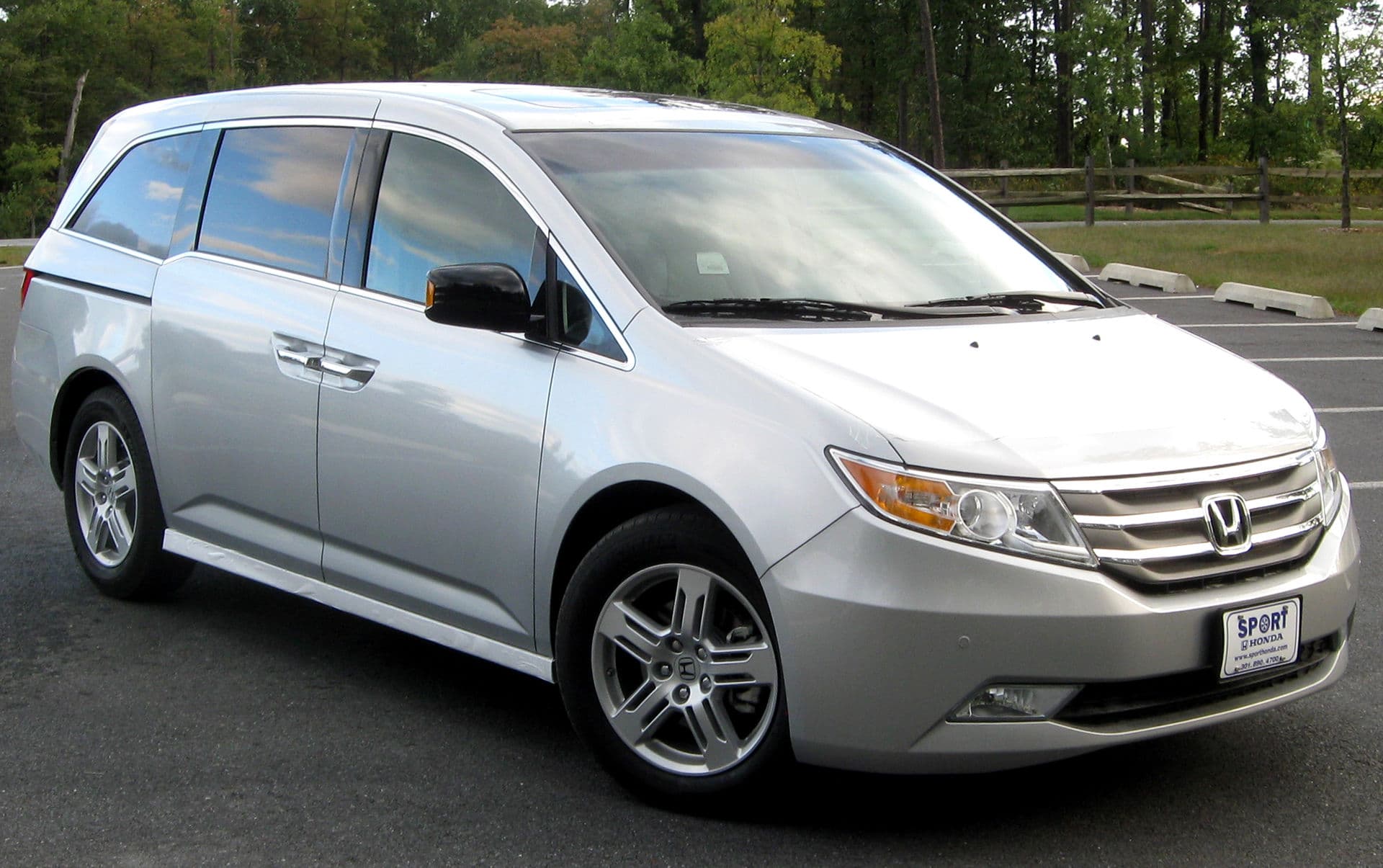
- ·Toyota Sienna or Honda Odyssey if practicality wins
The Multigenerational Household
Grandparents ride weekly. Step-in height, wide doors, quiet cabin, and simple climate controls matter more than horsepower.
Likely shortlist
- ·Toyota Sienna
- ·Honda Odyssey
- ·Kia Carnival
- ·Low-step crossovers with comfortable second rows
- ·Lexus TX or similar if budget supports premium comfort
The Quiet Luxury Upgrade
The "rich auntie" or professional household upgrade: comfort, resale, and a badge that reads responsible, not reckless.
Likely shortlist
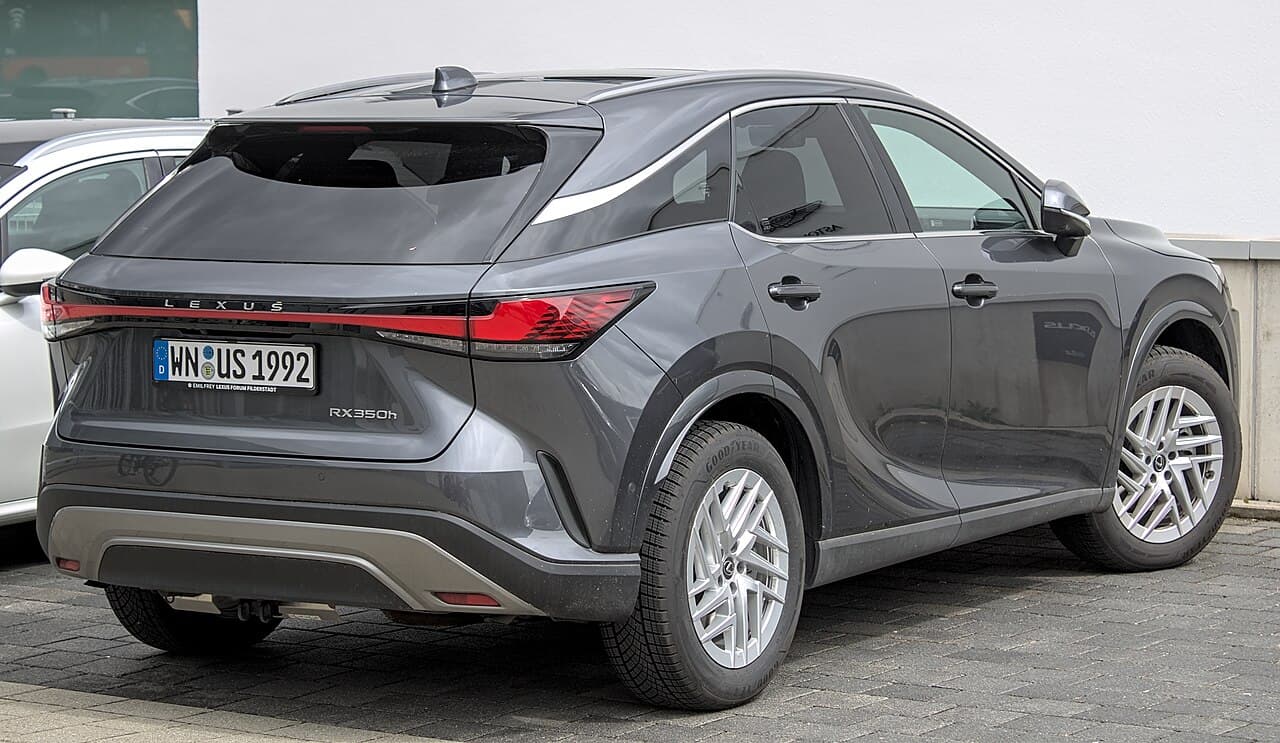
- ·Lexus RX or TX
- ·Genesis GV80
- ·Acura MDX
- ·Volvo XC90
- ·BMW X5 or Mercedes GLE if service costs are understood upfront
The Condo / City Family
Tight garage, street parking, insurance surprises, stroller loading, and maybe no home charging. Size is a daily stress test.
Likely shortlist
- ·Compact hybrid crossovers
- ·Plug-in hybrids if charging is partial
- ·Toyota RAV4 Hybrid or Honda CR-V Hybrid
- ·EV only if building or workplace charging is reliable
The Snow / Canada / Northeast Family
AWD, winter tires, salt exposure, heated rear seats, and service accessibility. Starting on a cold morning is not optional.
Likely shortlist
- ·AWD crossovers and three-rows with winter tire packages
- ·Toyota RAV4 / Highlander AWD
- ·Honda CR-V / Pilot AWD
- ·Subaru class if snow duty is heavy
- ·Compare insurance and winter tire costs in your province or state
The actual shortlists
These are culturally informed shopping shortlists organized by household need. Compare current pricing, incentives, and availability in your market. Test the exact trim you plan to buy.
Eastward Drive has not independently test-driven every model listed here. This is an editorial framework, not a ranked review or sponsored recommendation.
| Need | Start here | Upgrade path | Watch out for |
|---|---|---|---|
| Reliable two-row family crossover | Toyota RAV4, Honda CR-V | Lexus NX/RX, Acura RDX | Markups on popular trims, cargo limits with strollers |
| Three-row family SUV | Toyota Grand Highlander, Honda Pilot, Hyundai Palisade, Kia Telluride | Acura MDX, Lexus TX, Genesis GV80 | Third-row usability varies widely by model year |
| Maximum practicality | Toyota Sienna, Honda Odyssey, Kia Carnival | Fully loaded touring trims | Image resistance in households that care about SUV styling |
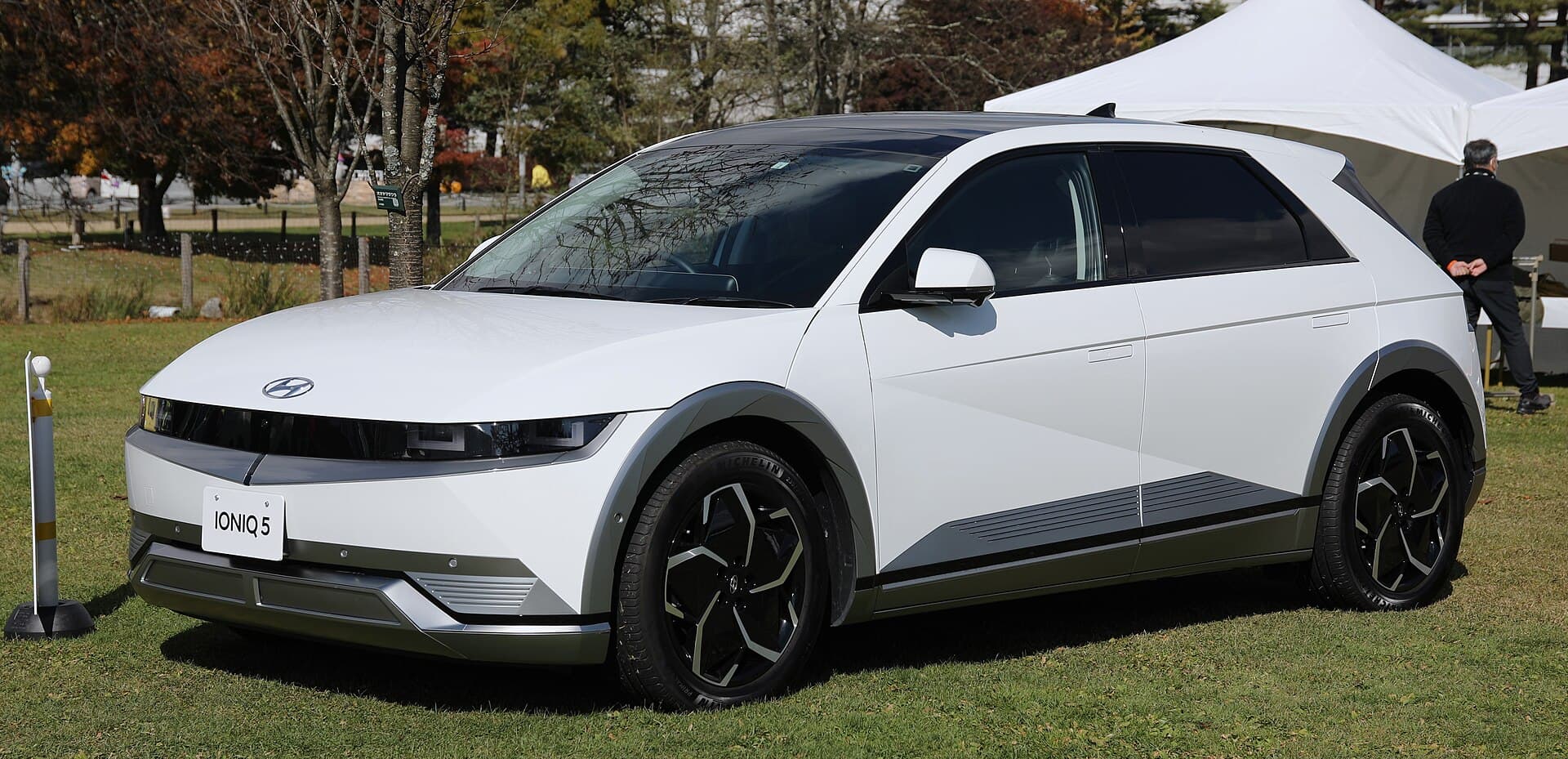
| EV family car | Tesla Model Y, Hyundai Ioniq 5, Kia EV6, Kia EV9 | BMW iX, Mercedes EQE SUV class | Charging access, insurance, road-trip planning |
| Quiet luxury | Lexus RX/TX, Acura MDX, Genesis GV80, Volvo XC90 | BMW X5, Mercedes GLE, Porsche Cayenne class | Maintenance, repair, and depreciation after warranty |
| City hybrid commuter with kid seat | RAV4 Hybrid, CR-V Hybrid, Tucson/Sportage hybrid | Lexus NX hybrid, RDX | Assuming a compact still works after the second kid |
The family argument decoder
What people say at the dealership versus what they usually mean. This is the stuff mainstream car sites rarely translate.
“Toyota never breaks.”
Translation: I do not want you to take financial risk. I want a car I can explain to relatives without anxiety.
“Why do you need German?”
Translation: I think you are paying for image, not value. Show me the maintenance math.
“Lexus is okay.”
Translation: Luxury is acceptable if it still sounds responsible. This is permission, not enthusiasm.
“Minivans are ugly.”
Translation: I care about identity more than sliding doors, even if sliding doors would solve our life.
“Tesla is convenient.”
Translation: I have charging access, or I am pretending I do. Ask which before signing.
“Just get something safe.”
Translation: I want you to buy the same category everyone in our family already trusts.
“We do not need that much car.”
Translation: I am worried about the payment, or I do not want you looking flashy.
“Your cousin got a good deal on theirs.”
Translation: Family precedent is now part of the spec sheet. Compare against that deal honestly.
Regional modules: the same family, different driveway
Family car logic shifts by market. Use these regional notes alongside our full region guides.
Southern California
Freeway comfort, three-row SUV default, EV curiosity with home charging, luxury crossover status in suburban San Gabriel Valley and OC.
Bay Area / Northern California
Tech-worker EV and hybrid interest, garage and condo constraints, compact crossover parking stress, Tahoe and Monterey road-trip duty.
Greater Toronto Area
401 commuting, winter tires, insurance math, Markham/Scarborough/Mississauga family use, YYZ airport runs.
Greater Vancouver
Rain, hills, bridge commutes, Richmond and Burnaby condo charging questions, mountain weekend escapes.
Texas
Heat, long highway miles, large SUV space expectations, heavy AC use, inter-city family visits.
Northeast
Parking tightness, snow and salt, city/suburb split, toll fatigue, premium badge restraint.
Pacific Northwest
Rain traction, outdoor gear cargo, cross-border visits, hybrid and AWD practicality.
Midwest
Winter reliability, salt exposure, practical luxury, Chicago commuter mileage, lake-town weekends.
South
Heat, suburban sprawl, growing professional-class taste, highway comfort over city size.
What standard reviews miss
Most family car reviews focus on crash scores and cargo cubes. They rarely account for how Asian North American households actually use the vehicle week to week.
- Airport pickups need real luggage space behind the third row, not just a seat count that works on a spec sheet.
- Grandparents need manageable step-in height and a second row they can enter without feeling trapped.
- Large family dinners and community events often mean tight parking lots, not suburban mall spaces.
- A quiet cabin matters on long drives with elders who want to talk, nap, or both.
- Reliability reputation spreads through aunties, cousins, and group chats faster than any ad campaign.
- Costco, H-Mart, T&T, and Ranch 99 runs reward cargo flexibility more than sporty handling.
- Wanting something "nice" usually means polished and responsible, not loud or flashy.
- Hand-me-down car culture within families means resale and durability matter twice.
Mistakes to avoid
Mistake 1
Buying a third row no adult can use
A third row is not automatically family-friendly. Sit an adult back there. If nobody over twelve would tolerate it for twenty minutes, treat it as emergency seating only.
Mistake 2
Choosing badge before insurance quote
Premium brands can become quietly expensive to insure, especially for younger drivers in the household. Get a real quote before the logo makes the decision.
Mistake 3
Assuming EV ownership is easy
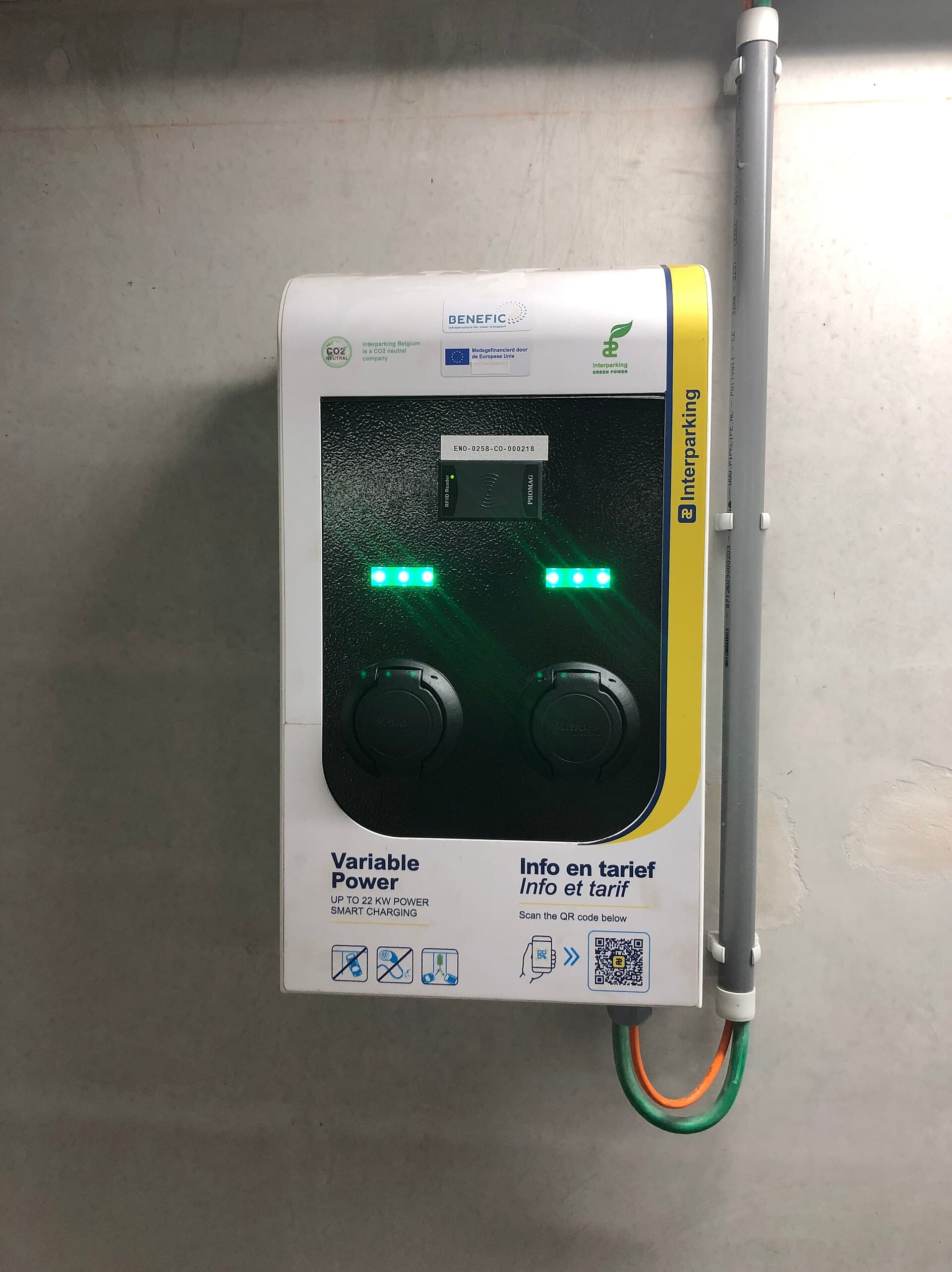
For condo and apartment households, charging access is the real question. A great EV on paper is a bad family car if you cannot charge reliably at home or near work.
Mistake 4
Buying too much car for status
Relatives may notice the badge, but they also notice financial strain. A trim level that stretches the household budget is hard to defend at the next family gathering.
Mistake 5
Ignoring depreciation on luxury SUVs
Used luxury can look like a bargain at purchase and feel like a trap at the first major service bill. Run the five-year cost, not just the sale price.
Mistake 6
Letting relatives overrule the actual driver
Family input matters, especially on brand trust and rear-seat comfort. The person paying, parking, and driving every day still needs final veto power.
Mistake 7
Skipping the bulk-errand test
If you cannot fit a realistic grocery run without removing car seats, the car will fail you every Saturday.
Before you choose the car, check the monthly number
Use the Eastward Drive calculators to stress-test payment, lease vs finance, commute cost, and EV vs gas before anyone falls in love with a paint color.
The bottom line
The best family car for Asian North American households is not necessarily the most luxurious one. It is the car that passes the payment test, the parent test, the airport pickup test, the bulk-errand test, and the status test without making the household feel financially stretched.
Start with your persona and region. Use the shortlist table to narrow categories, not to pick a winner from a blog post. Test-drive the details reviews skip: elder access, luggage space, parking stress, and the monthly number after insurance.
If the car works for the people who ride in it, survives the relatives' reliability conversation, and leaves room in the budget for everything else the household needs, you have found the right fit. Update this framework annually as your market, charging access, and family size change.