
The Condo EV Guide: How to Buy an Electric Car When You Do Not Control the Charger
The best EVs for condo and apartment living are not always the ones with the longest range. They are the ones that fit your building, parking setup, commute, family skepticism, and charging reality.
Quick answer
- How to use this guide
- Not a fake ranking. A decision framework for condo EV living, apartment EV charging, and electric car ownership without a garage.
- Assigned parking + Level 2
- Full EV is realistic. A typical 32-amp Level 2 circuit delivers about 7.7 kW — roughly 25–28 miles of range per hour for many sedans and crossovers. The U.S. average driver covers about 40 miles per day; that usually refills in under 2 hours overnight. Confirm how your building bills (flat fee, sub-meter, or per-kWh) and whether the stall is yours every night.
- Workplace charging only
- EV can work if you reliably recover your weekday miles at work — often 10–20 kWh (about 1–3 hours on Level 2) for a normal commute. Map a backup public DC fast charger for weeks the office lot is full or your schedule shifts.
- Public charging near home
- Choose an efficient EV with strong DC fast-charging support, or consider a PHEV. Home charging in the U.S. often runs about $0.10–$0.18/kWh on standard residential rates; many public DC fast sessions run about $0.30–$0.60/kWh plus idle fees — verify your local networks before you assume public charging is cheap.
- Street parking
- Hybrid usually beats a full EV until charging access improves. Extension cords across sidewalks are unsafe and illegal in most cities. EV only if workplace or dependable public charging is already part of your weekly routine.
- Worst fit
- Large luxury EV, no reliable charging, and a family that takes frequent long trips without a mapped fast-charging plan.
The EV question starts with your building, not the brochure
If you live in a condo or apartment, the best EV for your life is not necessarily the one with the longest range, the biggest screen, or the fastest zero-to-sixty time. It is the one that fits your building, your parking setup, your commute, your patience level, and your charging reality.
Most EV marketing assumes a driveway and a Level 2 charger you control. That is not how most U.S. buyers live. In a Queens co-op, a Koreatown rental, a Dallas high-rise, or a Burnaby tower with assigned but unpluggable parking, the first question is not which model to order. It is where the car will charge.
This guide is for buyers weighing the best EVs for condo living and the best EVs for apartment living without pretending home charging is guaranteed. We cover assigned parking, shared garages, street parking, workplace charging, public fast charging, HOA and strata rules, family skepticism, and the honest case for hybrid and PHEV alternatives.
As always, do your own due diligence: Compare current model-year specs, pricing, and incentives in your market. This is buying intelligence for people who need an electric car without home charging fantasy, or who finally have Level 2 access and want to use it wisely.
The five charging situations
Your parking reality decides whether an EV, PHEV, or hybrid is the adult choice. Match your situation first, then shop models.
Situation 1
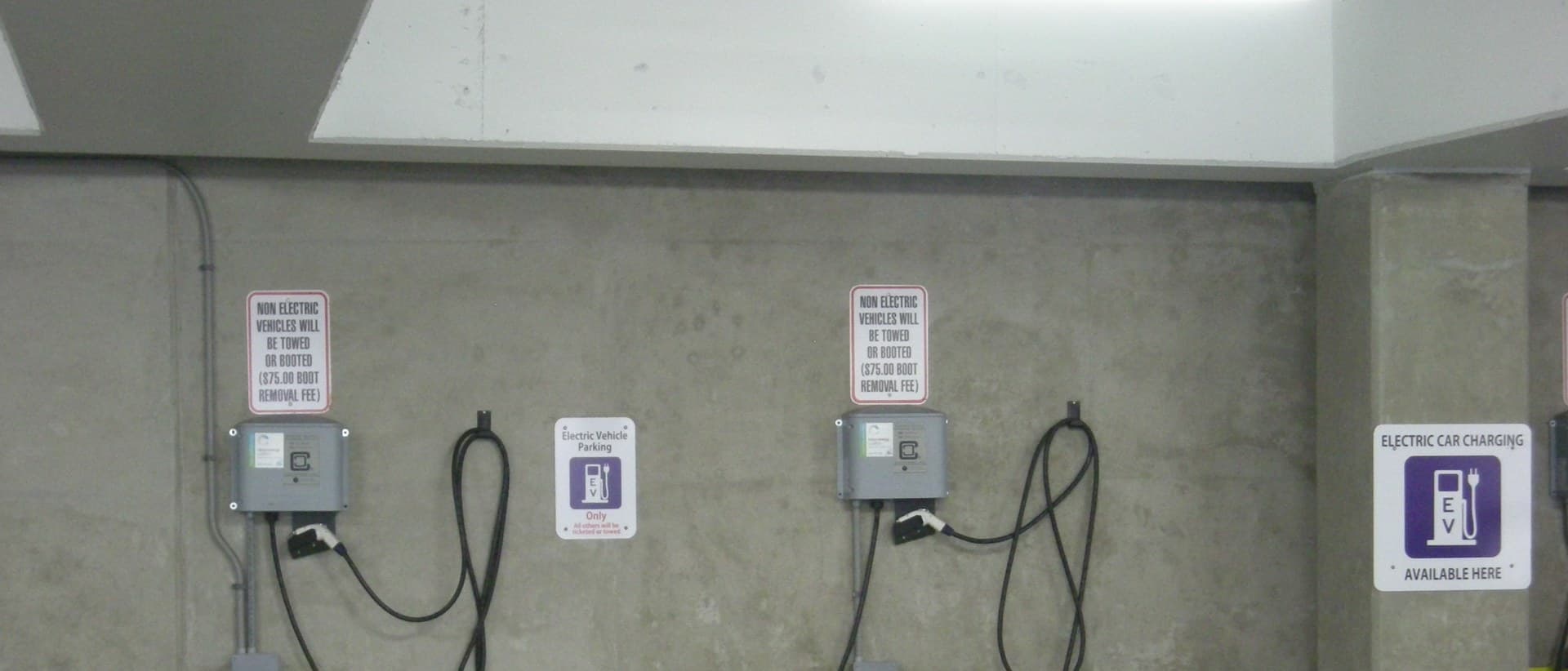
Assigned parking with existing charging
This is the condo EV owner's best-case scenario. If your stall already has Level 2 access or a building charger you can reliably use overnight, a full EV is realistic. Ask how billing works, whether the spot is truly yours every night, and what happens if the charger is down. Vehicle fit: efficient compact or crossover EVs work well; family buyers can consider Model Y, Ioniq 5, EV6, or EV9 class if garage height and width allow. Compare current pricing before you assume luxury size is necessary.
Situation 2
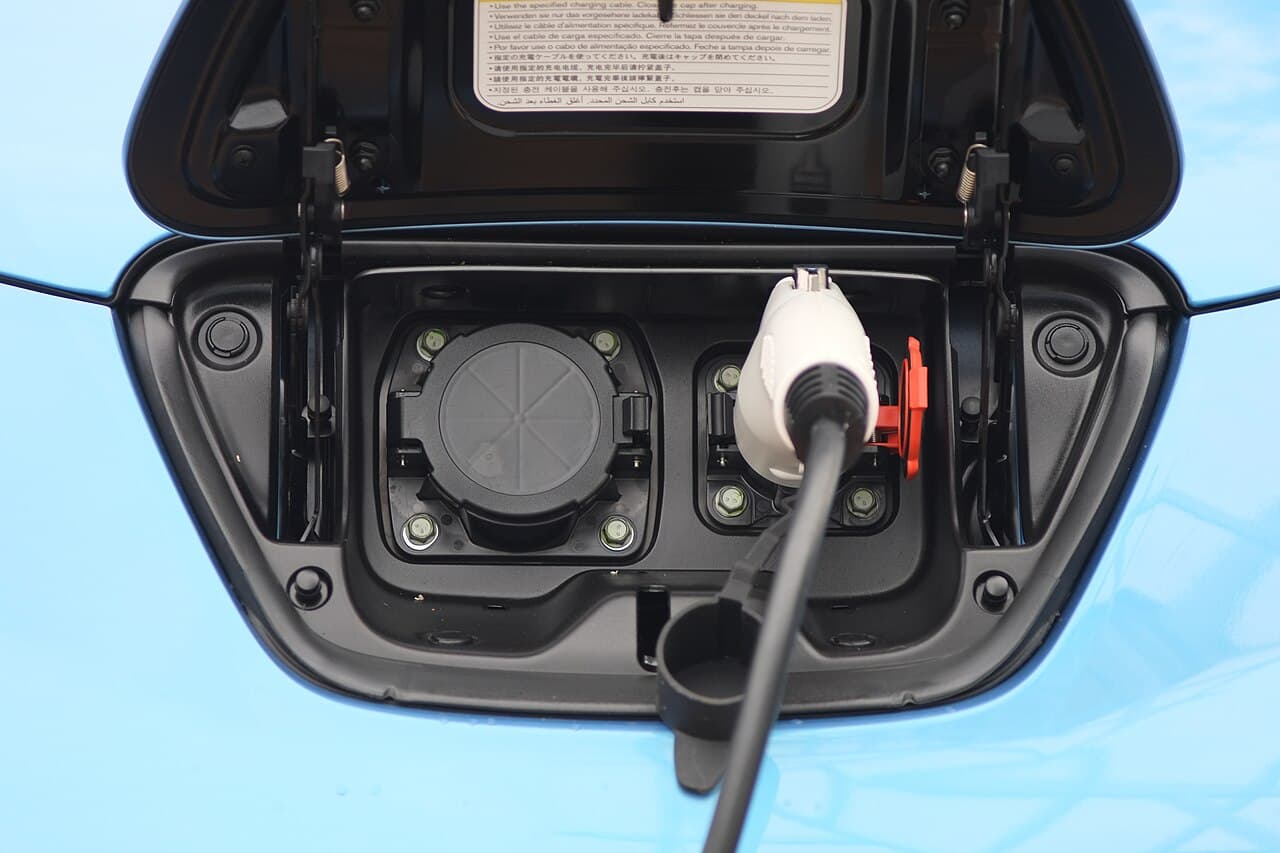
Assigned parking with no charger
Very common in older condos and apartment garages. EV ownership is possible but not casual. Questions to ask: Can you install a Level 2 unit at your stall? Who pays for electrical upgrades? Is there a strata or HOA approval process? How long is the waitlist? If installation is years away, treat public or workplace charging as your real plan, not a temporary inconvenience. Vehicle fit: efficient EV if you have a disciplined charging routine; PHEV if you want electric commuting with gas backup for family trips.
Situation 3
Unassigned garage parking
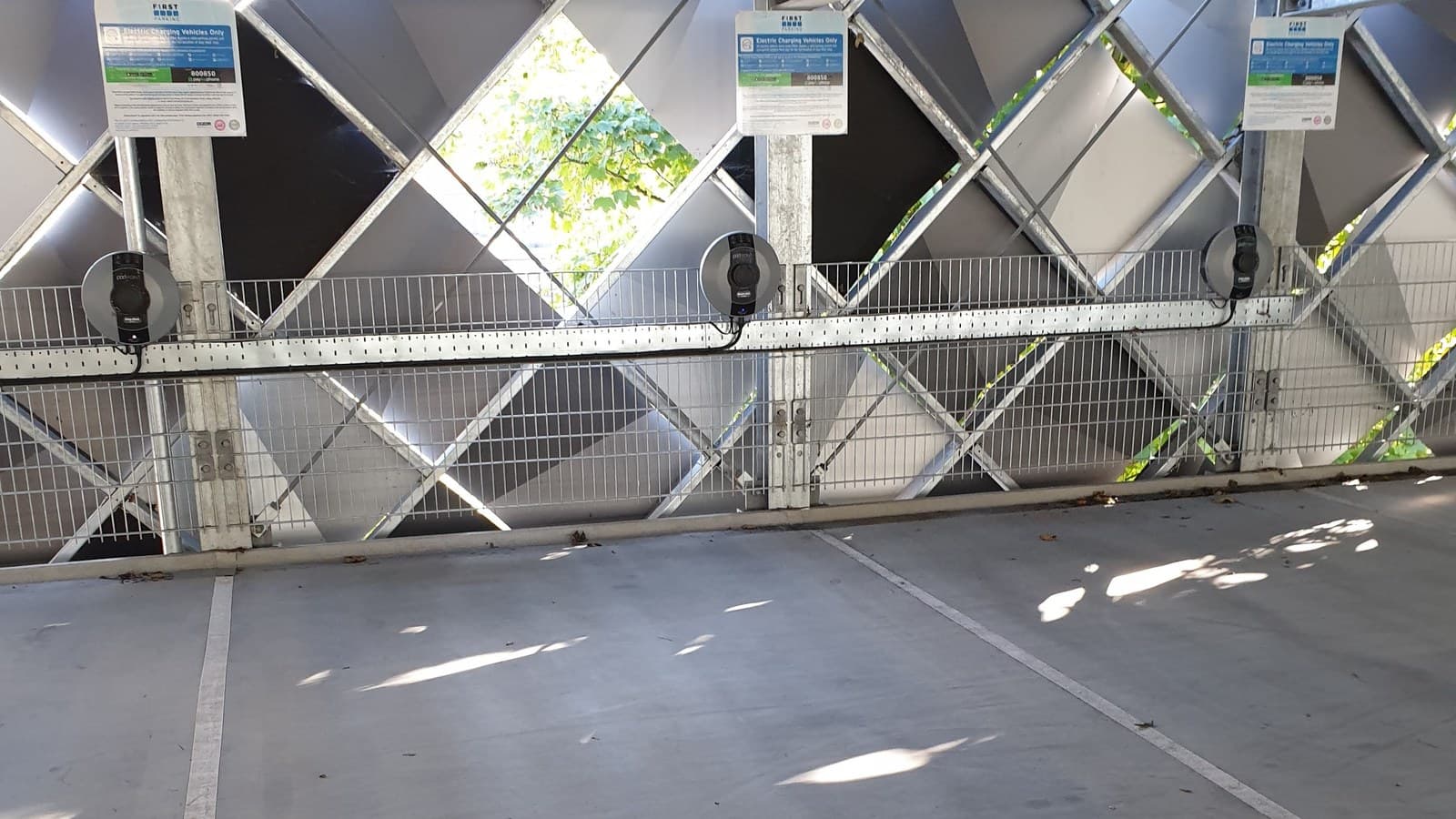
Shared stalls and rotating spots make overnight charging unpredictable. Shared Level 2 chargers can work if they are available when you need them and idle fees are reasonable. Otherwise you are planning around public infrastructure. Questions to ask: How many shared chargers serve how many units? Are spots often ICE-blocked? Is there an app, waitlist, or valet dependency? Vehicle fit: compact efficient EV for frequent top-ups, or PHEV/hybrid if shared access is unreliable.

Situation 4
Street parking
The hardest case for full EV ownership in dense cities. Extension cords are not a strategy. Street parkers depend on public charging networks, curbside infrastructure where it exists, and a tolerance for charging as a scheduled errand. For many buyers, this is where hybrid wins over EV until housing changes. Questions to ask: Is there dependable overnight charging within walking distance? What are session costs and idle fees? How safe and well-lit is the station? Vehicle fit: hybrid or efficient gas; EV only if you have workplace charging or exceptional public access.
Situation 5
Workplace or public charging as main strategy
Some city drivers treat work or a nearby fast charger as their primary fuel source. This can work with discipline: same arrival times, backup stations mapped, and a commute short enough that missing one session does not ruin the week. It fails when schedules shift, chargers break, or family trips stack up. Questions to ask: Is workplace charging free, paid, or first-come? Do you keep the job and the parking benefit? Vehicle fit: efficient EV with good fast-charging curves; PHEV if your weekend life is less predictable than your weekday commute.
The building approval test
Run this checklist before you order anything. Start with your property manager and HOA or condo board — not the dealer. In the U.S., roughly one third of occupied housing units are in multifamily buildings (Census Bureau), and the share is much higher in New York, San Francisco, Los Angeles, and other dense metros. California Civil Code Section 4745 limits unreasonable HOA denials of resident charger requests; New York City Local Law 130 requires new parking structures with 10+ spaces to be EV-ready. Colorado, Oregon, and other states have added multifamily charging rules — but your building's written policy still matters more than a state headline. Cross-border shoppers: in Canada roughly one in three people live in multi-unit buildings, Toronto and Vancouver skew higher, and more than 30 Canadian cities now have EV-ready bylaws for new construction — older buildings often lag by years. British Columbia strata votes on charger costs dropped from 75% to 50% in 2023; Ontario's Condominium Act includes an owner application process — timelines and cost allocation still vary by corporation.
- Ask the property manager or concierge whether EV charging is already installed, planned, or banned — get the answer in writing if possible.
- Request the HOA, condo, or strata EV policy, electrical planning report, and any waitlist from the board or strata council.
- Confirm whether parking is assigned, deeded, rented, or shared — renters often need owner approval even when the stall is "theirs."
- Does the building already have EV chargers installed?
- Are they Level 2, DC fast chargers, or basic outlets?
- Can owners install private chargers at their stalls? Can renters request them through the owner?
- Who pays for installation, panel upgrades, and a licensed electrician — you, the corporation, or a cost-share vote?
- Is there enough electrical capacity for more chargers, or is a utility upgrade already scoped?
- Is there a waitlist for charger access? How many stalls share how many ports?
- Are idle fees enforced when someone finishes charging?
- How is usage billed: flat monthly fee, sub-meter, or app-based per-kWh?
- Are electrical upgrades or charger expansions already on the capital plan for the next 12–24 months?
- If you move, can you take a personal charger with you, or is hardware fixed to the stall?
- Does building insurance or your auto policy change with EV ownership or charger installation?
- Have you gotten a quote from a licensed electrician familiar with condo/strata panels before the board meeting?
Vehicle categories to consider, not ranked best
Use consider language and verify current model-year data, pricing, and availability in your market. Ownership fit matters more than launch-week hype.
Best EVs for reliable public-charging life
For drivers who will top up on a schedule at work or nearby fast chargers. Prioritize charging speed, efficiency, and network compatibility over maximum battery size.
Models to consider
Tesla Model 3 · Tesla Model Y · Hyundai Ioniq 5 · Kia EV6 · Ford Mustang Mach-E · Volvo EX30 / EX40 class
Best EVs for condo owners with Level 2 access
Home or assigned Level 2 changes everything. Efficiency still matters, but daily charging reduces range anxiety dramatically.
Models to consider
Hyundai Ioniq 5 · Kia EV6 · Tesla Model Y · BMW i4 · Genesis GV60 · Cadillac Lyriq
Best EVs for small garages and tight parking
Garage height, width, and turning radius matter in older condo towers and paid urban garages.
Models to consider
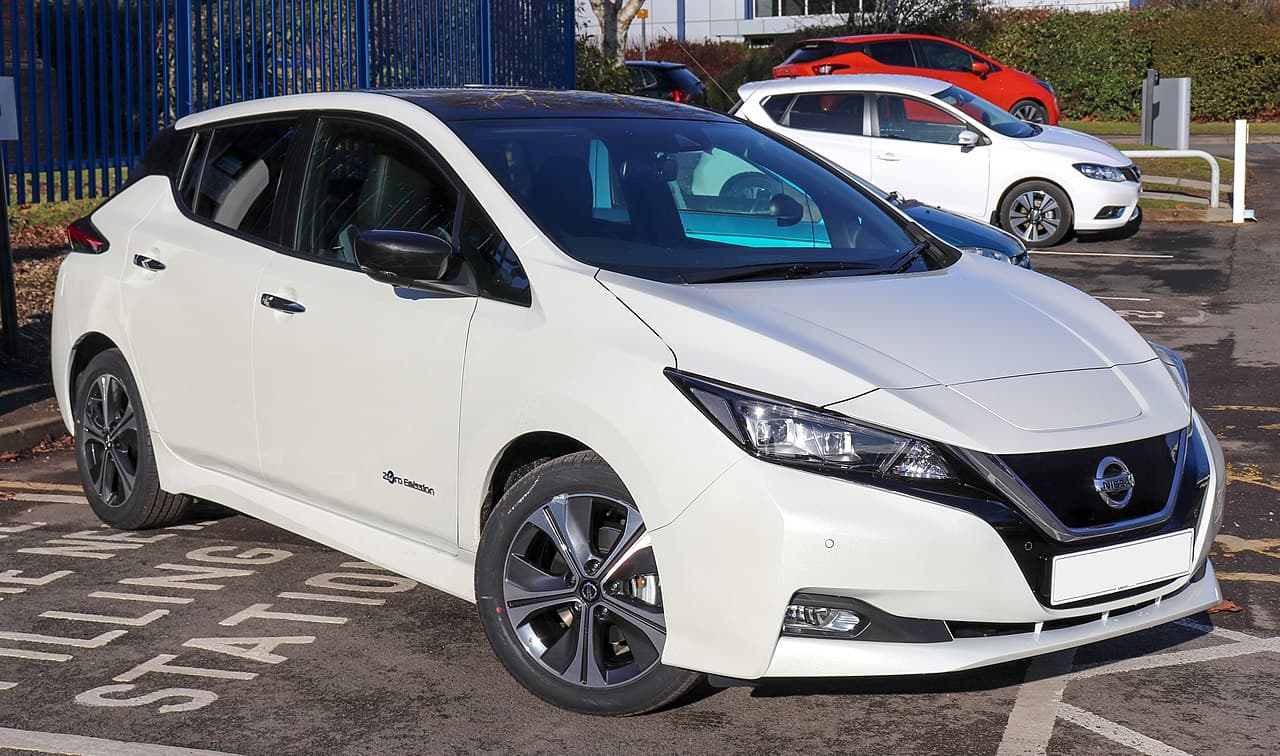
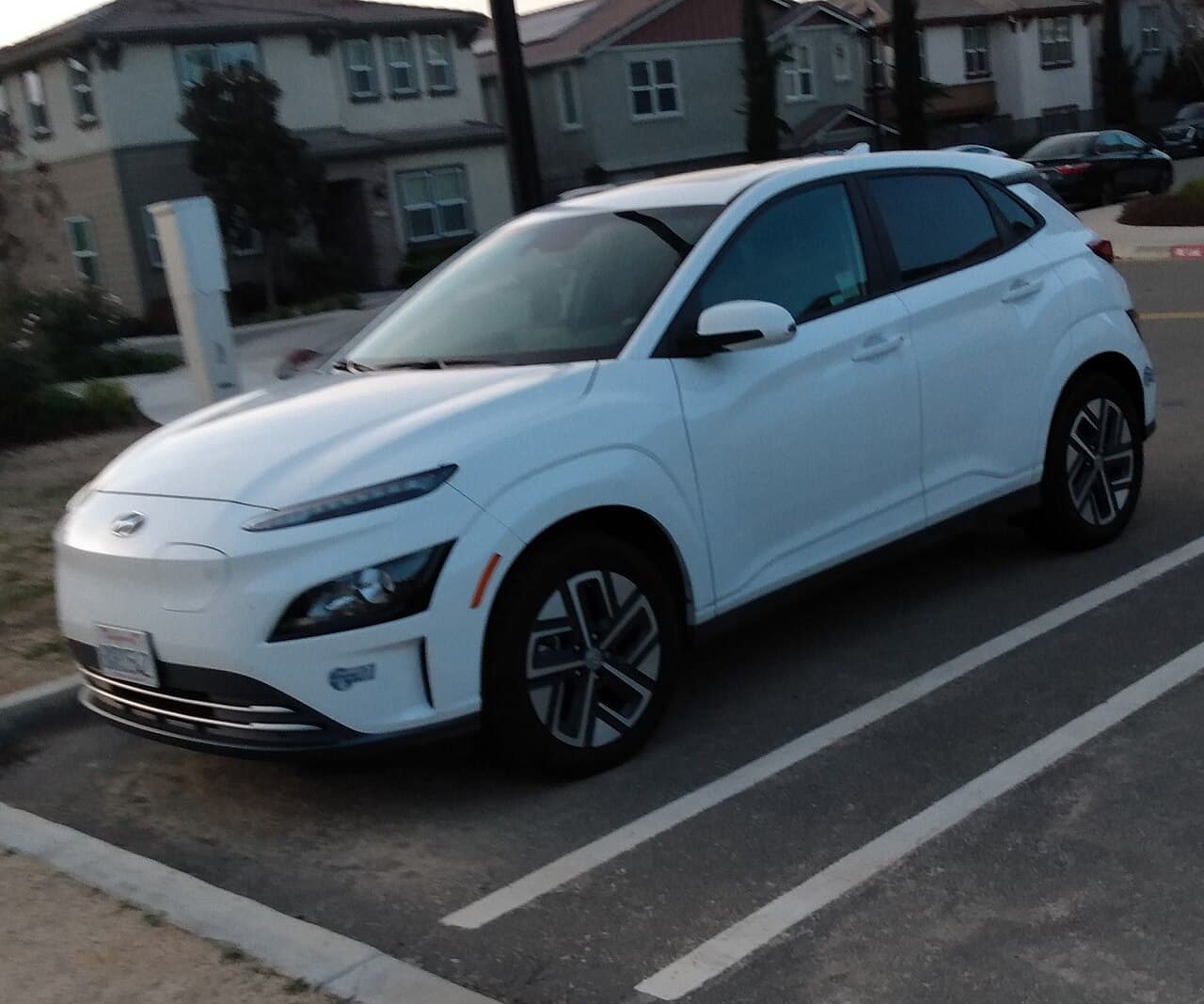
Tesla Model 3 · Hyundai Kona Electric · Volvo EX30 · Nissan Leaf class · Polestar 2
Best EVs for family use in dense markets
Space, car-seat access, and cargo still matter even when you do not have a suburban driveway.
Models to consider
Tesla Model Y · Kia EV6 · Kia EV9 · Hyundai Ioniq 5 · Ford Mustang Mach-E
Best luxury EVs for condo living
Only smart if charging access is solved. Compare insurance, tire costs, and repair networks honestly.
Models to consider
Cadillac Lyriq · Genesis Electrified GV70 · BMW iX · Mercedes EQE SUV class · Volvo EX90 · Polestar 3
Best maybe-do-not-go-full-EV-yet alternatives
Plug-in hybrid and hybrid options when charging access is uncertain or family trips dominate.
Models to consider
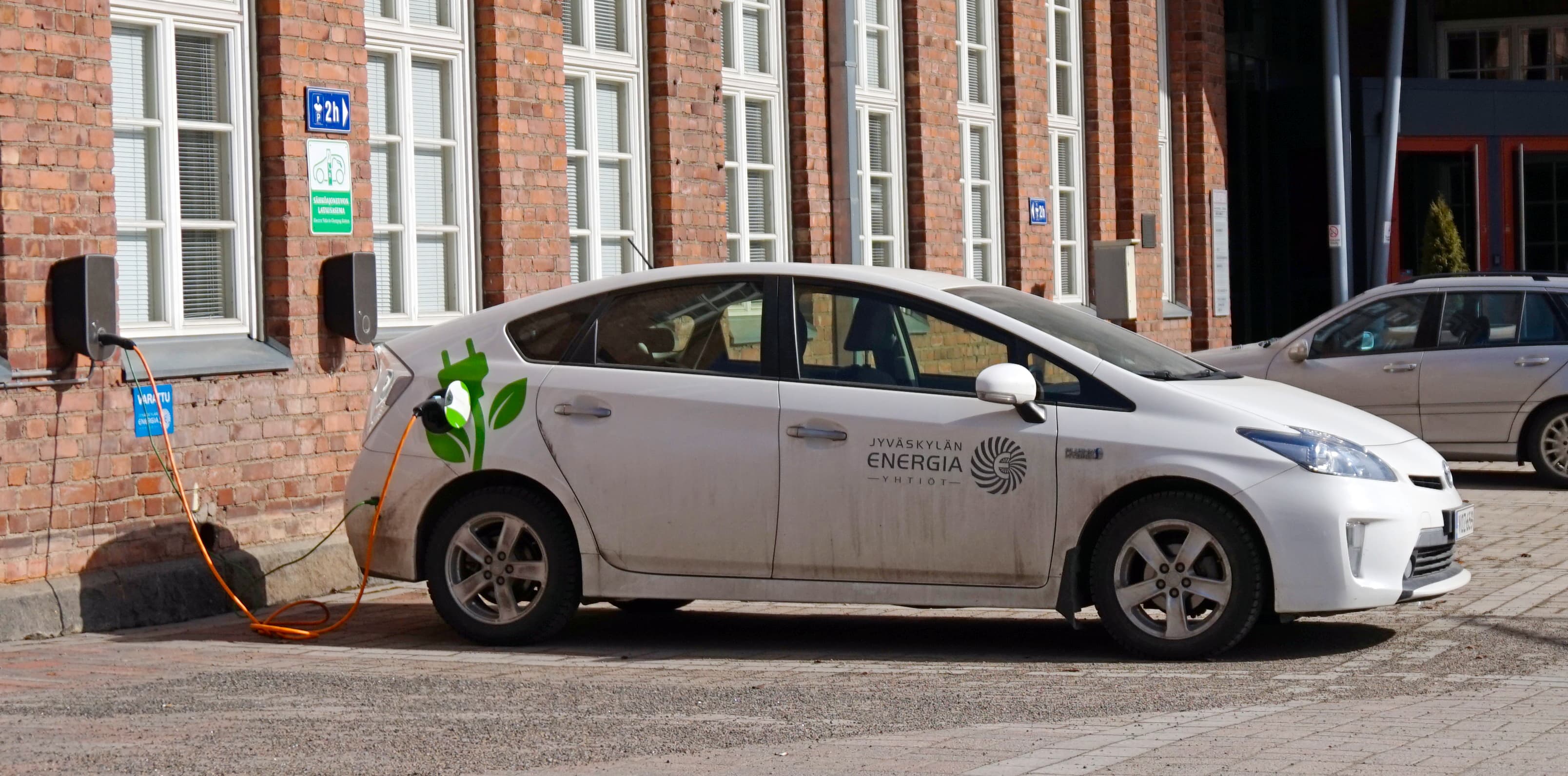
Toyota Prius Prime · Toyota RAV4 Prime where available · Lexus NX PHEV · Volvo PHEV variants · Hyundai / Kia PHEV crossovers · Traditional hybrid RAV4 / CR-V class
What your family will ask before you buy an EV
You do not need to win a specs debate at dinner. You need honest answers to the questions that actually decide the purchase.
“Where are you going to charge it?”
Translation: This is the whole condo EV problem in one sentence. Have a specific answer: my stall, my building shared charger, my office, or this public station on this schedule.
“What if the charger is broken?”
Translation: They are asking about backup plans, not hardware trivia. Map a second station and know what you do the week the garage charger is offline.
“What happens when you visit us?”
Translation: Road-trip and family-visit range anxiety is real. Explain your route charging plan or admit a PHEV/hybrid fits better today.
“Is the battery expensive to replace?”
Translation: They are asking about long-term risk. Discuss warranty coverage, your expected ownership length, and why you are not betting on a short-term flip.
“Why not just get a hybrid?”
Translation: Often the smartest question in the room. If charging access is weak, hybrid may be the responsible answer, not the boring one.
“Will it still be worth anything later?”
Translation: Resale and technology change matter in households that keep cars a long time. Compare lease vs buy and how long you plan to hold the vehicle.
“Electric cars are inconvenient.”
Translation: I do not trust your building, your schedule, or your tolerance for new routines. Prove the routine, do not argue the trend.
When a hybrid or PHEV is smarter than a full EV
Do not buy an EV just because EVs are fashionable. A hybrid or PHEV may be the better fit if any of the following sound like your week.
- You cannot charge at home or work reliably.
- Your building has no charger plan and no realistic timeline.
- You frequently drive long distances to visit family in other cities.
- You live in a cold-weather market and hate planning winter range.
- You have one household car that must do everything.
- You hate planning charging stops more than you hate gas stations.
- Older relatives will also drive the car and want simple refueling.
- Public charging near you is unreliable, expensive, or always occupied.
- Street parking is your normal reality, not a temporary inconvenience.
Regional breakdown: condo EV living by market
Charging access, parking type, climate, and family-trip patterns shift by region. Pair these notes with our full region guides.
Los Angeles / Orange County
Many newer condos offer charger pathways; heat and long freeway commutes favor efficient EVs with reliable AC load. Street parking in Koreatown and Westside makes full EV harder.
Bay Area
High EV adoption, tight garages, and garage height limits. Workplace charging is often the unlock. Tahoe and Monterey trips require honest range planning.
NYC / Northeast
Street parking, paid garages, winter range loss, and salt exposure. Hybrid and PHEV often beat full EV unless you have a charger at home or work.
Greater Toronto Area
Condo waitlists, winter tires, 401 commuting, and cottage-country trips. Compare insurance and public charging in Scarborough, Markham, and Mississauga.
Greater Vancouver
Strata rules, rain, hills, expensive electricity, and cross-border shopping habits. Building politics often decide the purchase before the model does.
Seattle / Pacific Northwest
Condo adoption growing; rain and bridge commutes favor efficient EVs with good driver assistance. Cross-border drives add charging-network complexity.
Texas metros
More suburban condo parking than NYC, but heat, long miles, and sprawling family visits favor range and fast-charging coverage over city-car minimalism.
Should you buy an EV at all?
Work through these four questions in order. Stop when you hit a clear answer. This is the fastest EV vs hybrid for condo owners sanity check.
Question 1
Can you charge at home or at your assigned stall?
Yes
A full EV is realistic. Focus next on charger speed, billing, garage size, and electricity rates.
No
Move to question 2. Without stall access, your building or workplace becomes the whole strategy.
Question 2
Can you charge at work on most weekdays?
Yes
An EV may work if your commute is predictable and the charger is not always occupied by coworkers.
No
Move to question 3. Public infrastructure becomes your daily lifeline.
Question 3
Is there reliable charging within 10 minutes of your normal routine?
Yes
An EV can work, but treat charging like a scheduled errand. Compare session costs in your commute calculator.
No
Strong case for hybrid or PHEV. Fighting your housing situation every week gets old fast.
Question 4
Do you take frequent long family trips?
Yes
Prioritize range, fast-charging coverage on your routes, and honest winter planning if applicable.
No
Efficiency beats maximum range. A smaller battery you can feed easily beats a large one you dread charging.
Why condo EV logic is different in Asian North American metros
Dense Asian communities often overlap with housing that was not built for overnight garage charging. That changes the best EV for city drivers and the best EV for Asian American drivers in practical, unglamorous ways.
- Vancouver, Toronto, San Francisco, Los Angeles, Seattle, New York, and Jersey City combine high Asian population density with limited home charging.
- Family advice carries weight. A parent who distrusts public charging is not being irrational if your building has no plan.
- Apartment EV charging politics can lag buyer enthusiasm by years. Your strata may still be debating chargers while you are ready to order.
- The best EV for apartment living is often the one that survives your actual Tuesday, not your best-case vacation road trip.
- EV with no garage is a different purchase from EV with deeded stall access. Do not let rebate headlines blur that line.
- Hybrid vs EV for condo owners is a housing question first and a technology question second.
Six real-world scenarios
These are editorial examples, not testimonials. Use them to pressure-test your own building and commute answers.
Condo owner in Irvine with assigned parking
You own a deeded stall in a newer Orange County tower. The HOA approved Level 2 installation last year, billing is metered, and your commute is 28 miles round trip. Weekend trips to San Diego happen monthly.
Likely best fit: Full EV or PHEV with home Level 2. Compare Model Y, Ioniq 5, or RAV4 Prime depending on garage size and trip frequency.
Renter in Koreatown with street parking
No assigned stall, no outlet, no workplace charger. The nearest public fast charger is a 12-minute walk and often busy after 6 p.m.
Likely best fit: Hybrid or efficient gas for now. Revisit EV when housing or workplace charging changes.
Bay Area tech worker with workplace charging
You rent a small apartment in South Bay with no home charging, but your employer offers reserved Level 2 spots five days a week. You visit LA quarterly.
Likely best fit: Efficient EV can work if workplace access stays stable. Map fast chargers on the LA route before committing.
Toronto condo family with 401 commute
You live in a Mississauga condo with shared garage chargers and a waitlist. Two kids, winter tires every year, and regular drives to Ottawa for family.
Likely best fit: PHEV or hybrid until shared charger access is reliable. Full EV if you get a dedicated Level 2 stall.
Vancouver strata owner with limited charging
Richmond tower, one shared charger for forty units, rainy commutes, and frequent trips to Whistler in winter.
Likely best fit: PHEV or AWD hybrid unless your strata adds capacity. EV only with a backup public charging plan you have actually tested.
NYC apartment resident using paid garage parking
You pay for a Manhattan garage spot with no charger but can use a fast charger near work in Jersey twice a week. Family in Edison expects monthly visits.
Likely best fit: PHEV likely best. Full EV only if New Jersey workplace charging becomes daily and family-trip routes are mapped.
Before you buy, test the weekly routine
Estimate affordability, commute cost, and road-trip fuel or charging tradeoffs before choosing between EV, PHEV, hybrid, and gas.
The bottom line
The best EVs for condo and apartment living are the ones that match your building, parking type, commute, family skepticism, and regional infrastructure before they match a spec sheet.
If you have assigned Level 2 access, an efficient EV or thoughtful PHEV is often a straightforward yes. If you depend on street parking and flaky shared chargers, a hybrid may be the mature choice, not the compromise.
Get building answers first. Run the calculators second. Then pick the category that fits your real week, not the week you wish you had.