
The Eastward Drive Hybrid vs EV Guide for City Drivers: Parking, Charging, Commute, and Weekend Exit
City driving is stop-and-go miles, tight parking, uncertain charging, and relatives who still ask why you did not just get a RAV4 Hybrid. This guide helps Asian American and Asian Canadian urban drivers choose hybrid, EV, or plug-in hybrid without fantasy math.
Quick answer
- How to use this guide
- Not a fake ranking. A decision framework for urban and inner-suburban drivers comparing hybrid, EV, and plug-in hybrid options.
- Best default for most city drivers
- Hybrid crossover or sedan if home charging is uncertain
- Best if you have reliable Level 2
- Compact or midsize EV with strong efficiency and parking-friendly size
- Best bridge option
- Plug-in hybrid when you charge some days but not every day
- Best if you street-park
- Hybrid until charging access improves; EV only with workplace charging you trust
- Run the numbers first
- Commute cost, charging cost, insurance, and parking before the test drive
- Weekend trip tiebreaker
- Map one real family route in the EV vs gas calculator before choosing full EV
City driving changes the electrification answer
Hybrid versus EV is not a moral debate. It is a parking, charging, commute, and family-trust problem wearing a powertrain label.
Urban and inner-suburban drivers in Asian North American metros face a specific stack of constraints: short trips that reward electrification, stop-and-go traffic that punishes inefficient gas cars, parking structures with height and width limits, street parking with no outlet, and relatives who want environmental progress without roadside drama.
The brochure EV assumes a driveway charger. The brochure hybrid assumes you never care about plugging in. Real city life is messier. You may have workplace charging but rent an apartment. You may have a deeded stall but a strata waitlist. You may want an EV for Tuesday and a hybrid for Thanksgiving in Ottawa.
Eastward Drive does not fabricate test-drive impressions here. This guide is editorial buying intelligence for city drivers: the five tests, shortlists, scenarios, and group-chat objections that help you choose hybrid, full EV, or plug-in hybrid for the life you actually drive.
The five tests every city driver must pass
Before you compare kilowatts and mpg, run your week through these filters. They map to how urban households actually approve an electrified purchase.
Test 1
The Parking Test
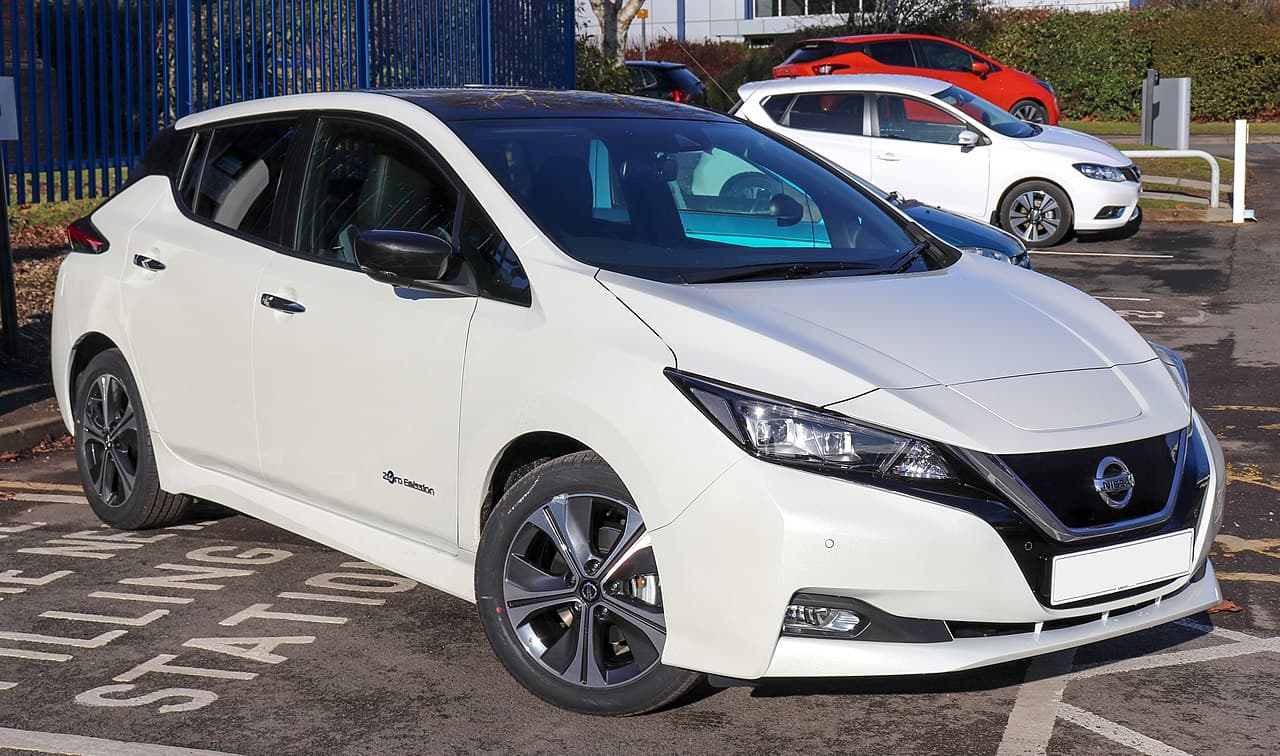
Can the car fit your normal parking reality without daily stress? Measure garage height, turning radius, and door swing in the structure you use every night. Street parkers should favor shorter length and good visibility over the biggest crossover on the lot. A compact EV or hybrid hatchback often beats a large SUV in Manhattan, Vancouver, or downtown Toronto parking. If you pay for a garage spot, factor monthly parking into the ownership math before you celebrate fuel savings.
Test 2
The Charging Test
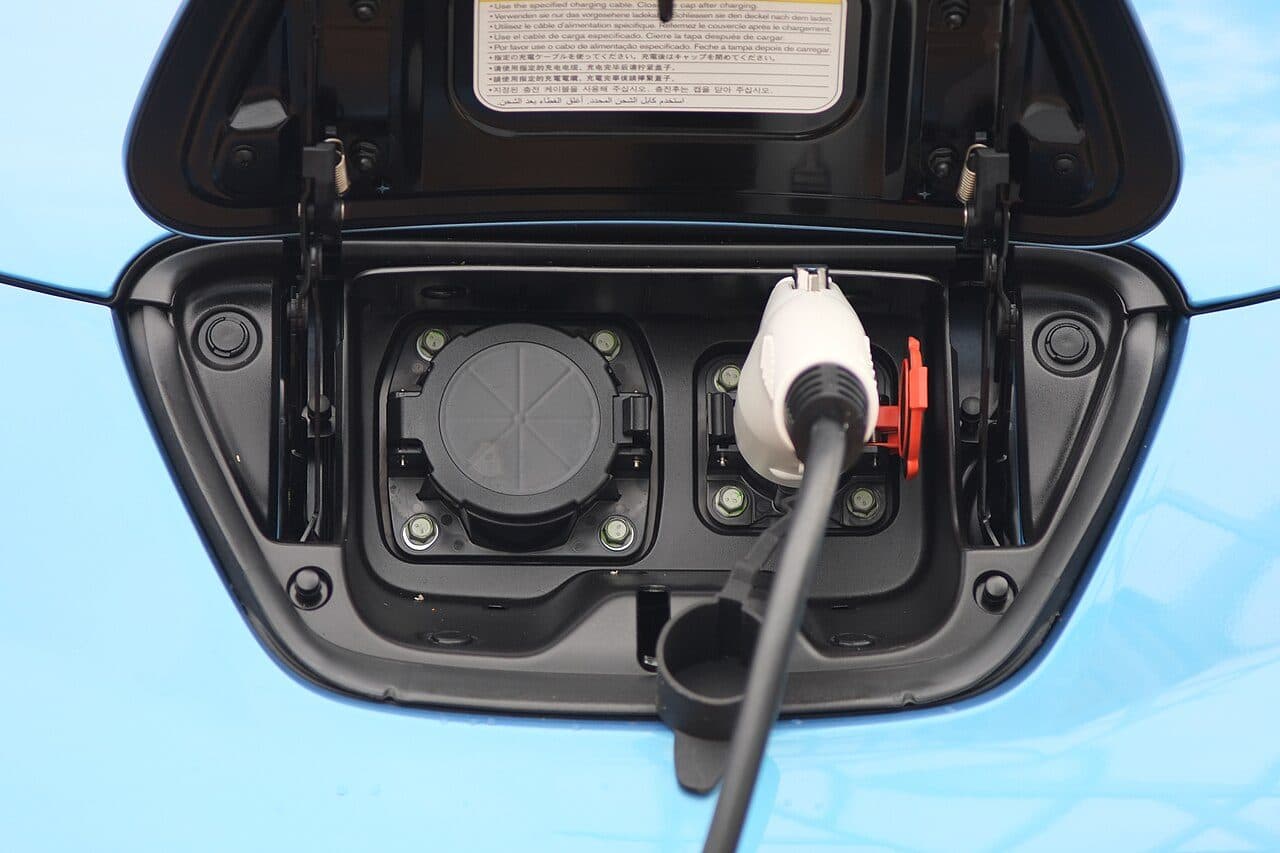
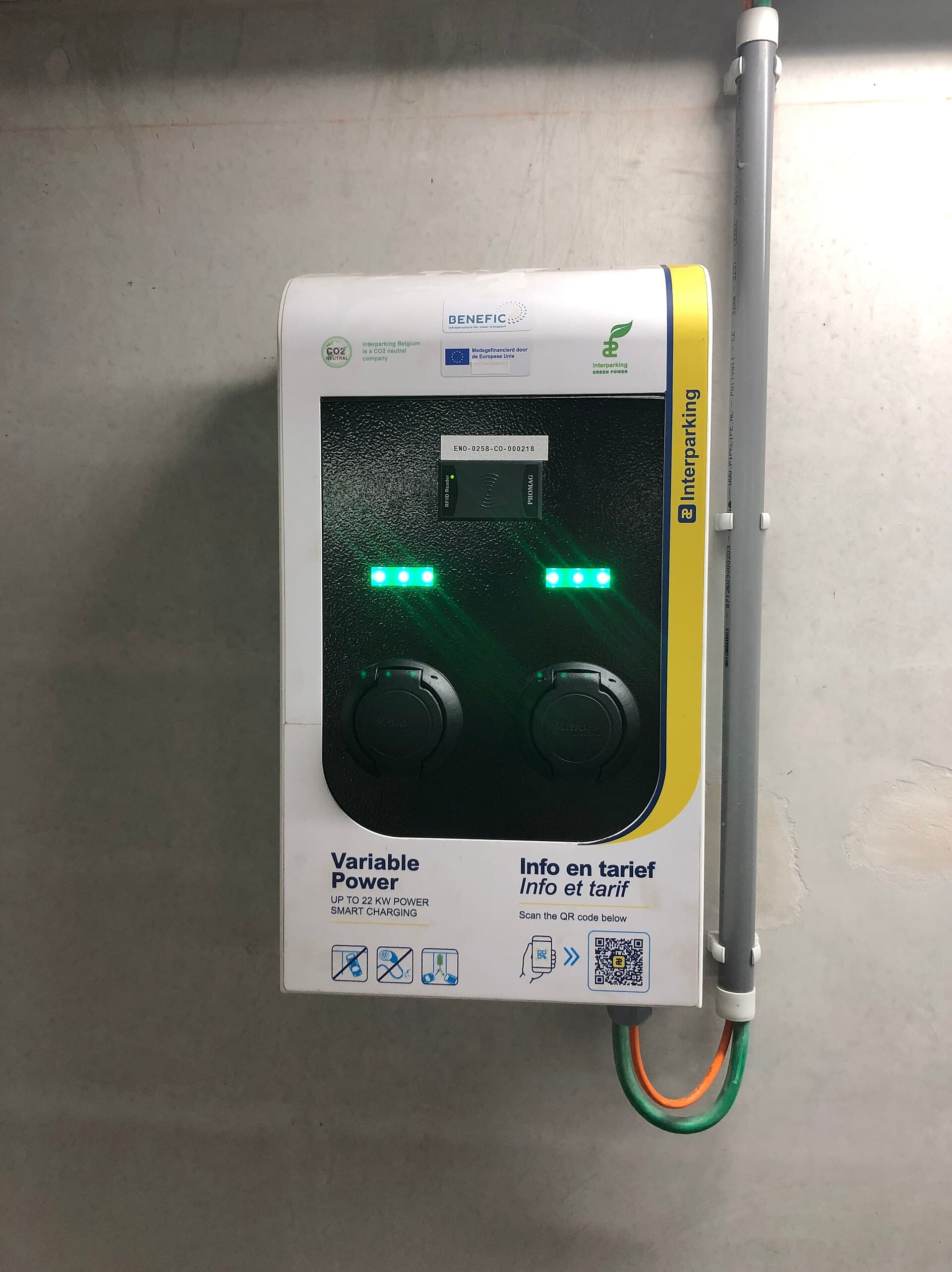
Where will the car get electrons on a normal week? Home Level 2, workplace charging, shared building chargers, and public fast charging are not interchangeable. If you cannot name your primary charging source before you sign, you are not ready for a full EV. Hybrid wins when charging is uncertain. PHEV wins when you charge two or three nights a week but need gas backup for unpredictable weekends. For a deeper building-by-building framework, pair this guide with our condo EV guide.
Test 3
The Commute Test
How many miles do you drive on a predictable weekday, and how stop-and-go is the route? Under 30 miles round trip with reliable charging favors EV. Longer or unpredictable commutes favor hybrid simplicity. City traffic rewards hybrids and EVs at low speeds, but only EVs eliminate gas stops entirely. Run your actual commute in our commute cost calculator with local electricity and gas prices before you let a salesperson quote savings.
Test 4
The Weekend Exit Test
How often do you leave the city for family visits, mountain trips, or beach weekends? Full EV can work if you map charging on routes you actually take and your passengers accept the plan. Hybrid eliminates charging stops as a family argument. PHEV splits the difference: electric city weekdays, gas freedom on the 401 or I-5. If relatives treat road trips as non-negotiable, test one real route in the EV vs gas road trip calculator before you buy an EV as your only car.
Test 5
The Family Approval Test
Will the household trust this powertrain choice six months from now? Toyota and Honda hybrid credibility still wins group chats. Tesla convenience wins in some metros and polarizes in others. Full EV skepticism is often really charging skepticism. Bring a mapped plan, insurance quotes, and a comparison to the sensible hybrid everyone already recommends. Approval matters because city car decisions are rarely solo decisions in Asian American and Asian Canadian households.
City hybrid vs EV test-drive checklist
Bring this list to the dealership and to your building manager if needed.
- Measure parking clearance for the exact model
- Confirm charging access in writing if EV or PHEV is on the list
- Run commute cost with local electricity and gas prices
- Map one real family weekend route in the EV vs gas calculator
- Get insurance quotes for hybrid and EV trims you are comparing
- Test parking in your normal garage or street spot, not the dealer lot
- Drive hybrid and EV candidates on the same day
- Ask who in the household has veto power and what would change their mind
Six city driver profiles
Match your household to a profile before you test-drive. Powertrain comes after parking and charging reality.
The assigned-stall condo commuter
Deeded parking with Level 2 or a short waitlist, predictable 20-mile round trip, occasional weekend trips.
Likely shortlist
- ·Tesla Model 3 / Y
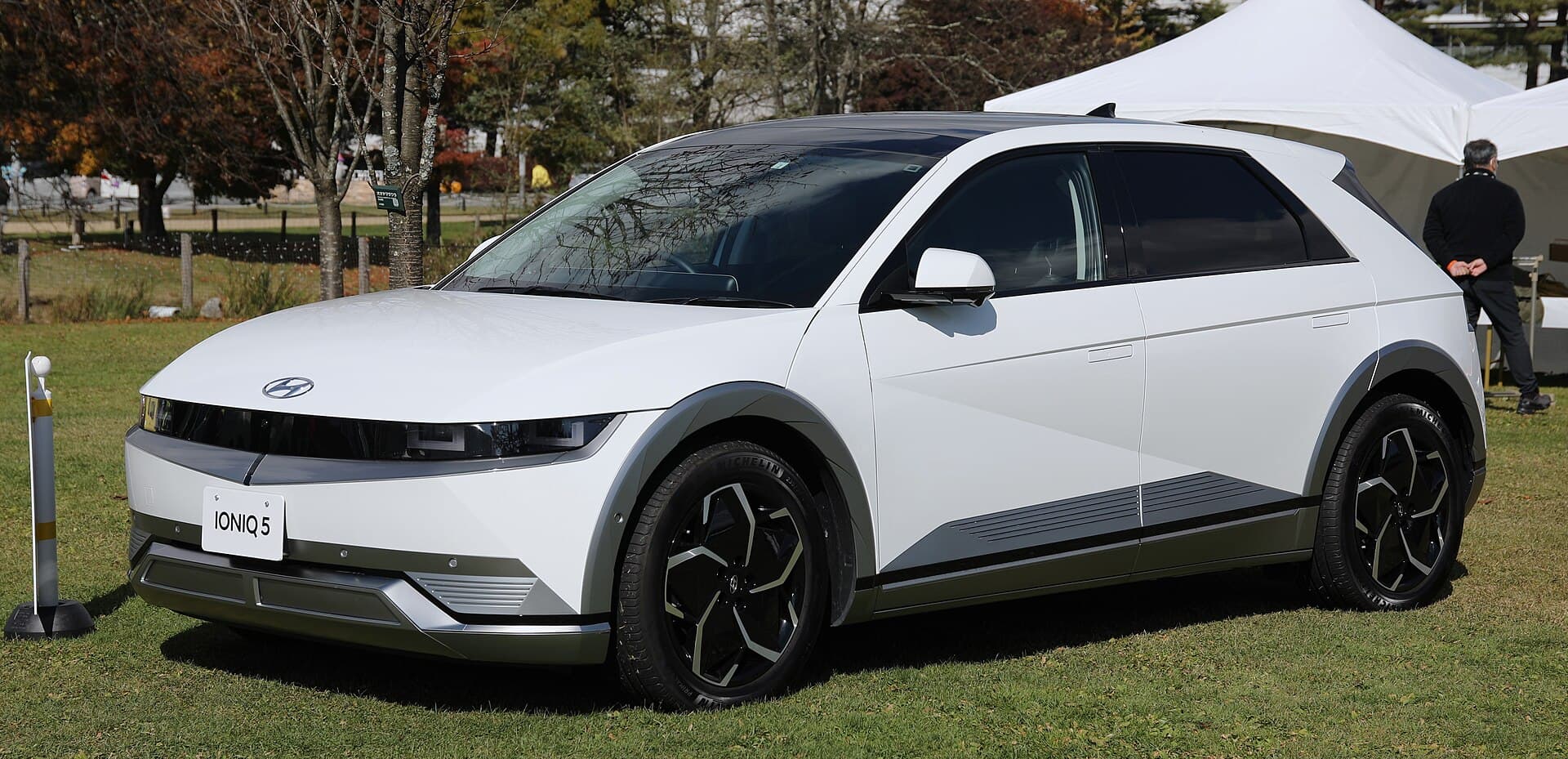
- ·Hyundai Ioniq 5 / Kia EV6
- ·Toyota bZ4X class
- ·RAV4 Prime if charger is slow
The street-parking urban renter
No outlet, no garage, maybe workplace charging if lucky. Wants lower emissions without charging as a second job.
Likely shortlist
- ·Toyota Corolla Cross Hybrid
- ·Honda CR-V Hybrid
- ·Hyundai Tucson Hybrid
- ·Prius class
The workplace-charging professional
Apartment without home charging but reliable Level 2 at work five days a week. Schedule can change with jobs.
Likely shortlist
- ·Efficient compact EV
- ·Chevy Bolt EUV class
- ·Ioniq 6 / Model 3
- ·PHEV as backup plan
The inner-suburban family crossover shopper
Koreatown, Scarborough, Fremont, or Bellevue: tight parking, school runs, Costco duty, parents recommend Toyota.
Likely shortlist
- ·RAV4 Hybrid
- ·CR-V Hybrid
- ·Kia Sportage Hybrid
- ·Model Y only if charging is solved
The PHEV bridge buyer
Charges at home some nights, visits family outside the city monthly, wants electric commuting without trip anxiety.
Likely shortlist
- ·RAV4 Prime
- ·Hyundai Tucson PHEV
- ·Toyota Prius Prime
- ·Chrysler Pacifica PHEV if minivan duty
The Canadian winter city driver
Toronto or Vancouver commute, salt, rain, hills, and relatives who ask about cold-weather range every November.
Likely shortlist
- ·AWD hybrid crossover
- ·RAV4 Hybrid AWD
- ·CR-V Hybrid AWD
- ·EV only with home Level 2 and mapped winter routes
The actual shortlists
Editorial starting points organized by city need. Compare current pricing, incentives, and insurance in your market.
Eastward Drive has not independently test-driven every model listed here. This is an editorial framework, not a ranked review or sponsored recommendation.
| Need | Start here | Upgrade path | Watch out for |
|---|---|---|---|
| Safest group-chat hybrid default | Toyota RAV4 Hybrid, Honda CR-V Hybrid, Toyota Corolla Cross Hybrid | Lexus NX hybrid, Kia Sportage Hybrid | Assuming hybrid means boring; compare ride and noise on your commute |
| Compact city car with minimal parking stress | Prius, Corolla Hybrid, Hyundai Elantra Hybrid, Bolt EUV if EV | Ioniq 6, Model 3 | Rear seat and cargo limits when family visits stack up |
| Full EV with home or work Level 2 | Tesla Model 3 / Y, Hyundai Ioniq 5 / 6, Kia EV6, Chevy Equinox EV class | BMW i4, Volvo EX30 | Buying range you never use while ignoring charging reliability |
| Plug-in hybrid bridge | RAV4 Prime, Tucson PHEV, Prius Prime | Pacifica PHEV for family duty | Short electric range treated like full EV without nightly plugging |
| Street parking, no charging plan | CR-V Hybrid, RAV4 Hybrid, Tucson Hybrid | Efficient gas sedan if budget is tight | Full EV purchased because the payment looked similar |
| Weekend family exit from the city | Hybrid crossover or PHEV | EV if mapped fast-charging on your real routes | Ignoring passenger tolerance for charging stops |
City powertrain shortlists to consider, not ranked best
Compare trims locally. City fit is about size, charging, and passenger trust as much as efficiency labels.
Hybrid crossovers for urban families
The default city-family answer when charging is uncertain and cargo still matters.
Models to consider
Toyota RAV4 Hybrid · Honda CR-V Hybrid · Hyundai Tucson Hybrid · Kia Sportage Hybrid · Lexus NX hybrid
Compact hybrids and sedans for tight parking
Lower length, easier street parking, strong stop-and-go efficiency.
Models to consider
Toyota Prius · Corolla Hybrid · Hyundai Elantra Hybrid · Honda Civic Hybrid class
City-friendly full EVs
Best with home or workplace Level 2 and realistic weekend route planning.
Models to consider
Tesla Model 3 · Hyundai Ioniq 6 · Chevy Bolt EUV · Volvo EX30 · Mini Cooper Electric class
Plug-in hybrid city commuters
Electric weekdays, gas weekends, useful when charging is partial not perfect.
Models to consider
Toyota RAV4 Prime · Hyundai Tucson PHEV · Toyota Prius Prime · Chrysler Pacifica PHEV
Crossover EVs when space and charging both work
Family-sized electric option if garage height and charger access are confirmed.
Models to consider
Tesla Model Y · Hyundai Ioniq 5 · Kia EV6 · Ford Mustang Mach-E · Chevy Equinox EV

What everyone will say about hybrid vs EV
The urban electrification debate is rarely about kilowatts alone.
“Just get a RAV4 Hybrid.”
Translation: They want reliability theater plus efficiency without charging homework. That recommendation is often correct.
“Tesla is easier.”
Translation: They mean charging network convenience, not just the app. Ask whether that applies to your building and your routes.
“EV is better for the planet.”
Translation: Values matter, but city EV ownership only helps if you can charge cleanly and consistently. Hybrid beats a coal-heavy public-charging lifestyle in some cases.
“Why pay for gas if you can plug in?”
Translation: Fair question if charging is solved. Unfair if you street-park and borrow chargers like parking spots.
“Plug-in hybrid is the worst of both worlds.”
Translation: Sometimes true if you never plug in. Often wrong if you use electric mode for city miles and gas for family trips.
“Your cousin's EV works fine.”
Translation: Their building, commute, and tolerance for charging stops may not be yours. Compare housing, not just model.
“Wait until charging gets better.”
Translation: Sometimes prudent. Sometimes an excuse to defer a hybrid that would already save money today.
Hybrid vs EV vs PHEV: the honest tradeoffs
City drivers often need the adult answer, not the ideological one.
Full EV Hybrid crossover
Are you paying for zero gas stops and lower running costs, or buying charging stress you will resent?
Plug-in hybrid Standard hybrid
Is nightly plugging realistic enough to justify electric miles, or will you carry battery weight without using it?
Tesla Model Y RAV4 Hybrid
Is Supercharger convenience worth group-chat polarization and parking size in your metro?
Compact EV Prius / Corolla Hybrid
Do you gain enough parking and running-cost advantage to offset charging dependency?
Who should not force the electrified answer
Credibility means knowing when hybrid, EV, or PHEV is the wrong tool.
- Do not buy a full EV if you cannot name where you will charge on a normal week.
- Do not buy a PHEV if you know you will never plug it in.
- Do not buy the largest crossover if your parking structure already stresses you out.
- Do not buy an EV for family road trips you have not mapped honestly.
- Do not ignore insurance and parking when comparing fuel savings.
- Do not choose powertrain to win an argument if the driver will resent the logistics.
- Do not skip the hybrid test drive because EV marketing was louder.
Regional notes for city hybrid vs EV shopping
Metro context changes the answer. Pair these notes with our full region guides.
Southern California
EV-friendly climate and home charging in many suburbs; Koreatown and Westside street parking still favors hybrid.
Bay Area / Northern California
High EV adoption, tight garages, workplace charging common, Tahoe trips require honest planning.
Greater Toronto Area
Condo waitlists, winter range loss, 401 commuting, insurance math, hybrid credibility in family chats.
Greater Vancouver
Strata politics, rain, hills, expensive electricity, understated hybrid preference in many communities.
Northeast
Street parking, salt, cold-weather range, smaller car advantage, public charging as a scheduled errand.
Pacific Northwest
Rain, bridge commutes, outdoor gear cargo, hybrid AWD practicality, growing but uneven charging.
Hybrid, EV, or PHEV?
Work through these five questions in order. Stop when the answer is clear.
Question 1
Can you charge at home, your assigned stall, or work most weekdays?
Yes
EV and PHEV are on the table. Move to question 2.
No
Default to hybrid unless public charging near home is already part of your routine.
Question 2
Is your weekday commute under 40 miles and predictable?
Yes
EV efficiency shines. PHEV can cover most commuting in electric mode.
No
Hybrid simplicity likely wins. PHEV if you still have partial charging access.
Question 3
Do regular family trips require zero charging-planning tolerance?
Yes
Hybrid or PHEV beats full EV unless you have mapped every route and passengers agree.
No
Full EV is more viable if charging access is solid.
Question 4
Will your parking structure fit the size class you want?
Yes
Move to question 5 and compare models in that size class.
No
Downsize before choosing powertrain. A smaller hybrid often beats a large EV you cannot park.
Question 5
Did you run commute and one weekend route in our calculators?
Yes
If the numbers and passenger trust still hold, test-drive the winner.
No
Do that before the deposit. City savings are where brochures lie most confidently.
The six-step city electrification framework
- 1
Map parking first
Garage dimensions, street rules, and monthly parking cost come before battery size.
- 2
Name your charging source
Home, work, shared, or public. If the answer is vague, hybrid is the honest default.
- 3
Measure the weekday commute
Miles, time of day, and stop-and-go severity determine whether EV savings are real.
- 4
Stress-test one weekend route
Use the EV vs gas road trip calculator on a family route you actually drive.
- 5
Run the family conversation early
Bring hybrid and EV options plus insurance and parking math to the group chat.
- 6
Test-drive the boring option too
Drive the RAV4 Hybrid the same day as the EV. The right city car is often the one that reduces logistics, not the one with the most screens.
City powertrain categories compared
Pick category before brand. City life punishes the wrong category faster than the wrong trim.
| Category | Best for | Watch out for |
|---|---|---|
| Hybrid crossover | Urban families, uncertain charging, Costco duty, easiest family approval | Paying SUV size when a sedan would park easier |
| Compact hybrid | Street parking, solo commuters, lowest fuel complexity | Family cargo on weekend visits |
| Full EV | Reliable Level 2, predictable commute, lower running costs | Street parking, cold trips, one-car households with diverse routes |
| Plug-in hybrid | Partial charging access, mixed city and highway life | Never plugging in, short EV range treated like full EV |
| Efficient gas sedan | Tight budget, no charging path, low annual mileage | Stop-and-go efficiency versus hybrid in city traffic |
What mainstream hybrid vs EV reviews skip
City electrification in Asian North American households is a logistics and trust problem before it is a spec-sheet comparison.
- Parking size is a daily quality-of-life issue in dense metros.
- Family approval often tracks Toyota and Honda hybrid credibility more than EPA labels.
- Workplace charging is a job benefit, not a permanent guarantee.
- Weekend family trips are where EV plans face their real exam.
- PHEV only works when plugging in becomes habit, not intention.
- Insurance and garage fees can erase fuel savings if you ignore them.
- Street parking makes public charging a lifestyle, not a convenience.
- The best city powertrain is the one nobody argues about in month three.
Scripts for the hybrid vs EV conversation
Show your work before you ask for approval.
“I mapped where the car would charge on a normal week. Here is the plan if we go EV, and here is the hybrid backup if charging fails.”
“I ran our commute in the calculator with local electricity and gas prices. The savings are real only under these assumptions.”
“I chose a size that fits our parking structure. The bigger EV is not worth the daily stress.”
“I test-drove the RAV4 Hybrid and the EV on the same day. The hybrid solves more of our actual week.”
“If we buy a PHEV, I will plug in these nights. If not, we should buy a regular hybrid instead of carrying unused battery weight.”
“I mapped Thanksgiving / cottage / LA family route charging. Here is where we would stop and how long it adds.”
Six city hybrid vs EV scenarios
Editorial examples, not testimonials. Use them to pressure-test your own answers.
Koreatown renter, 14-mile commute, street parking
No outlet, no workplace charger, parents recommend Toyota, occasional San Diego family visits.
Likely best fit: CR-V Hybrid or RAV4 Hybrid. Skip full EV until housing or workplace charging changes.
Mississauga condo with Level 2 stall
Assigned charger, 32-mile round trip on the 403, monthly trips to Ottawa in winter.
Likely best fit: Ioniq 5 or Model Y if winter route is mapped with conservative stops; Tucson PHEV if family hates charging delays.
South Bay engineer with workplace charging
Apartment without home charging, reserved Level 2 at work, Monterey trips quarterly.
Likely best fit: Model 3 or Ioniq 6 for daily use. Map Big Sur and Monterey fast charging before deleting hybrid from the list.
Queens family crossover, one-car household
Street parking, school runs, airport pickups, relatives in New Jersey monthly.
Likely best fit: Hybrid crossover default. PHEV only if a reliable nearby charger becomes part of the weekly routine.
Richmond strata with shared chargers
One shared Level 2 for thirty units, rainy commute, Whistler trips twice a winter.
Likely best fit: Hybrid AWD or PHEV with gas backup. Full EV only after you confirm charger availability for your schedule.
Fremont suburban garage with solar and Level 2
Home charging solved, two-car household, one car does weekday commute only.
Likely best fit: Full EV on the commuter, hybrid or gas on the family trip car. Do not force one EV to do both jobs.
Common city hybrid vs EV mistakes
Mistake 1
Buying an EV because the payment looked close to a hybrid
Charging logistics are the hidden monthly cost street parkers pay in time and stress.
Mistake 2
Ignoring garage height and width
A crossover EV that cannot fit your structure becomes a daily annoyance.
Mistake 3
Assuming workplace charging is permanent
Job changes and office policy changes have stranded more EV plans than battery degradation.
Mistake 4
Choosing PHEV without a plugging habit
You end up hauling a battery and burning gas anyway.
Mistake 5
Skipping the hybrid test drive
The rational city answer is often boring. Boring can still be correct.
Mistake 6
Letting ideology beat passenger trust
If relatives do not trust the plan, every trip becomes a referendum.
Run the city math before the powertrain debate
Use Eastward Drive calculators for commute cost, road-trip charging, and affordability before you choose hybrid, EV, or PHEV.
The bottom line
The best city powertrain is not the most electrified one. It is the one that passes parking, charging, commute, weekend exit, and family approval tests without turning every week into logistics homework.
Default to hybrid when charging is uncertain. Choose full EV when Level 2 access and passenger trust are both solid. Use PHEV when you have partial charging and mixed city-highway life.
Compare the hybrid you can live with against the EV you can actually charge. If the honest answer is a RAV4 Hybrid in a tight garage, that is not a failure. It is a city-smart household decision.