
Bergen Koreatown Car Ownership: GWB Crossings, Duplex Driveways, and What Fits Broad Avenue
Palisades Park, Fort Lee, and neighboring towns sit on the country's densest Korean American county corridor. The useful car is the one that fits tight parking, survives New Jersey insurance quotes, and still makes sense after you count George Washington Bridge and Manhattan days.
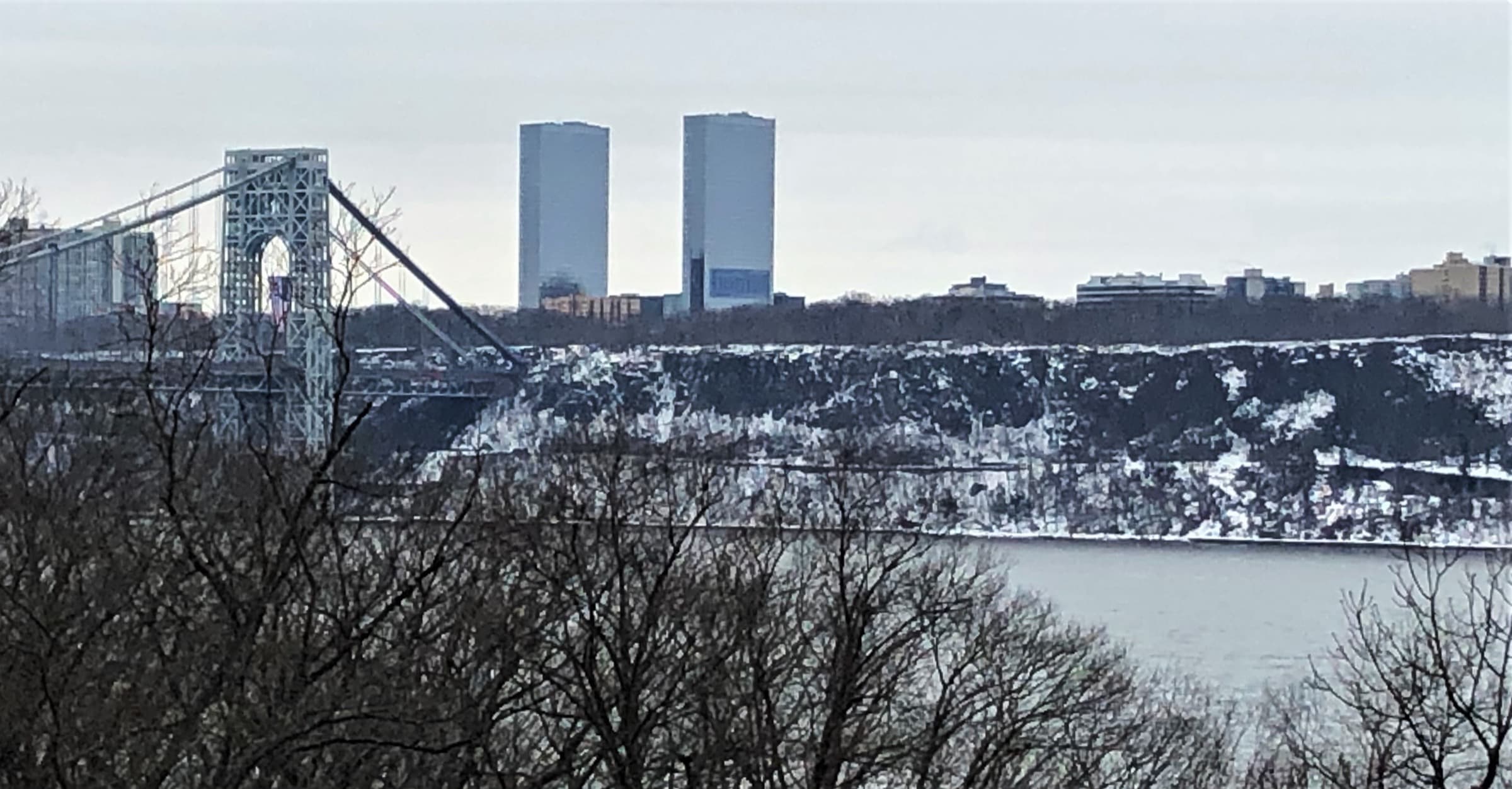
Key numbers for Bergen Koreatown Car Ownership: Palisades Park, Fort Lee, GWB Tolls, and Driveway Fit
- Palisades Park population
- 20,317
- U.S. Census Bureau estimate for July 1, 2025 — a compact Bergen borough with dense commercial strips and duplex housing.
- Palisades Park Asian alone
- 54.6%
- Census QuickFacts Asian alone share. Korean ancestry has long been a majority locally; the 2010 Census counted about 52% Korean ancestry, still among the highest municipal concentrations in the country.
- Fort Lee population
- 40,345
- Census July 1, 2025 estimate — high-rises and GWB approach streets with more garage living than Palisades Park duplex blocks.
- Fort Lee Asian alone
- 43.6%
- Census QuickFacts Asian alone share. The 2010 Census counted about 23.5% Korean ancestry — second-largest Korean cluster in New Jersey after Palisades Park.
- GWB E-ZPass peak
- $16.79
- Port Authority passenger-car rate eastbound into New York with NY/NJ E-ZPass during peak hours (effective Jan. 4, 2026). Off-peak is $14.79; Tolls by Mail is $23.30. Westbound is free.
- Manhattan congestion peak
- $9 / day
- MTA Congestion Relief Zone peak toll for passenger cars with valid E-ZPass, charged once per day. Overnight is $2.25. Tunnel credits up to $3 may apply on some crossings.
- Palisades Park owner-occupied
- 35.5%
- Census ACS 2020–2024 — more renters and duplex lots than Fort Lee (55.4%) or Bergen County overall (65.3%), which shapes driveway and parking geometry.
- N.J. full-coverage benchmark
- ~$2,815/yr
- MoneyGeek Dec. 2025 statewide average for New Jersey full coverage. Bergen ZIP codes and young drivers can land higher — bind a quote before trim shopping.
A corridor defined by crossings and curb space
Bergen County's eastern ridge — Palisades Park, Fort Lee, Leonia, Ridgefield, and nearby towns — is the country's densest Korean American county corridor. Palisades Park's July 1, 2025 population estimate was 20,317 with an Asian alone share of 54.6%. Fort Lee held about 40,345 people with an Asian alone share of 43.6%. Those facts explain Broad Avenue errands, church and temple Sundays, and parent-approved first luxury conversations. They do not prescribe a Genesis, a Tucson, or a Camry for every driveway.
Ownership here is less about long freeway miles and more about stacked costs: George Washington Bridge eastbound tolls, Congestion Relief Zone days when you continue into Manhattan, New Jersey insurance, and parking that is tighter than Instagram suggests. A Fort Lee tower garage and a Palisades Park duplex driveway are different products.
Mean travel time to work is about 30.7 minutes in Palisades Park and 35.0 minutes in Fort Lee. Many of those minutes are GWB approach, local arterials, or transit combinations — not empty highway. Count peak crossings before you buy a thirsty trim that advertises itself every weekday morning.
Foreign-born shares are high (about 59.3% in Palisades Park and 50.1% in Fort Lee on ACS 2020–2024), which shows up in airport weeks and multigenerational calendars. Newark Liberty and JFK both appear; neither justifies a lifted SUV that fails a duplex curb cut.
Genesis, Hyundai, and Kia density is a shopping conversation in this corridor, not destiny. Plenty of households run a quiet Toyota or Honda hybrid because insurance and residual calm win. Quote the binder on the exact drivers before the badge conversation ends.
GWB, Congestion Relief Zone, and local streets
The George Washington Bridge is the ownership filter. Port Authority tolls are collected eastbound into New York only. For a passenger car with a properly mounted NY/NJ E-ZPass, the 2026 peak rate is $16.79 and off-peak is $14.79. Tolls by Mail is $23.30 at all hours. Peak hours are weekdays 6–10 a.m. and 4–8 p.m., plus weekends 11 a.m.–9 p.m. Mid-tier rates apply when a tag is not read correctly — mount the tag as directed.
If the trip continues into Manhattan's Congestion Relief Zone, add the once-per-day passenger toll ($9 peak with valid E-ZPass, $2.25 overnight, with possible tunnel credits). A household that crosses the GWB twenty peak weekdays a month is already looking at hundreds of dollars in bridge tolls before congestion charges, parking, or fuel.
Westbound return to New Jersey is free at the bridge. That asymmetry tempts some drivers to treat every Manhattan day as cheap — it is not, once eastbound peak rates and zone fees stack. Price the trips you actually take with the Port Authority and MTA schedules, not a remembered cash figure.
Locally, Broad Avenue in Palisades Park and Main Street / Lemoine corridors in Fort Lee mix deliveries, double parking, and short stalls. Cameras and a shorter wheelbase reduce stress more than horsepower. Bus and jitney options exist toward the bridge and Manhattan; they can shrink a second-car case for some households even when a primary car remains necessary.
How Bergen Koreatown breaks down for drivers
These are ownership patterns, not rankings. Housing type, how often you cross into New York, and parking assignment matter more than the borough name.
Palisades Park (Broad Avenue)
Highest Korean American municipal density, duplex lots, and commercial strip parking that punishes wide vehicles on busy evenings.
- ·Shorter wheelbases and working cameras beat luxury length on Broad Avenue
- ·Owner-occupied share is only about 35.5% — many households negotiate shared driveways or tight curb cuts
- ·A compact hybrid or sedan often fits daily life better than a three-row that never fills
Fort Lee high-rises near the GWB
Garage living, bridge approach traffic, and more Manhattan days per month than inland Bergen suburbs.
- ·Measure garage height and stall width before any crossover upgrade
- ·Count peak GWB crossings as a line item next to the payment
- ·One efficient car plus occasional transit can beat two insurance policies
Fort Lee and Leonia duplex / small-lot streets
Tighter residential geometry than brochure SUVs assume, with school and plaza loops still local.
- ·Test the actual driveway apron and street parking before signing
- ·Winter tires matter on shaded hills even when AWD is on the window sticker
- ·Parent-approved CPO luxury only after the Bergen insurance quote lands
Ridgefield, Cliffside Park, and Edgewater adjacency
Related Korean American and multiethnic corridors with different parking and riverfront patterns.
- ·Do not assume Fort Lee garage rules apply two towns over
- ·River Road and Route 9W traffic peaks differ from Broad Avenue retail peaks
- ·Quote insurance by ZIP — Bergen rates move town to town
Paramus and central Bergen retail loops
Mall and Route 17 trips many Koreatown households still make weekly — different parking, same insurance state.
- ·Cargo shape for Costco runs can favor a minivan or crossover with a low load floor
- ·Do not buy maximum towing for four shore weekends a year
- ·Compare a loaded hybrid against fuel you actually burn on Route 4 and Route 17
Seasonal ownership along the Palisades
Winter
- ·Winter or serious all-weather tires on all four corners — AWD is not a substitute for compound on iced approach roads
- ·Salt and bridge weather accelerate brake and underbody wear
- ·EV range drops on cold GWB mornings; hybrids remove range politics for many condo households
Summer
- ·Weekend shore and upstate trips should not define the daily car if they happen four times a year
- ·Construction and tourist peaks near the bridge add buffer time for airport pickups
- ·Congestion Relief Zone peak hours still apply on summer weekends — price Manhattan days deliberately
Shoulder seasons
- ·Spring pothole season damages low-profile sport tires first
- ·Fall tire-change appointments book early in busy Bergen ZIPs
- ·Used compact luxury and hybrids firm up before winter; oversized leases soften when garage fees renew
Practical Bergen Koreatown ownership decisions
Fort Lee GWB weekday commuter
Count peak eastbound crossings for a month. At $16.79 each, twenty peak days is already serious money before Congestion Relief Zone charges, parking, and fuel. A quiet hybrid with disciplined E-ZPass use often beats a thirsty luxury SUV that looks the part in the toll bill.
Palisades Park duplex household
Measure the curb cut and shared driveway before any three-row test drive. Broad Avenue errands reward a shorter car. If elders visit weekly, test step-in height in person — a minivan can win, but only if it fits where you live.
Genesis vs Lexus first-luxury conversation
In many Bergen Korean American households both badges appear in the shortlist. Quote New Jersey insurance on the exact trim and drivers. CPO Lexus with remaining warranty can still beat a new Genesis lease once the binder lands — or the reverse, if service and features fit. Run affordability with a conservative premium.
One-car household with occasional Midtown days
If most workdays stay in Bergen or use transit, keep the car sized for weekends, elders, and airport duty. Do not finance a second vehicle for status when the calendar does not require it.
Tower garage EV consideration
Board permission, electrical capacity, and overnight access come before range anxiety. Without dependable charging, a hybrid is usually clearer than a public-DC plan that competes with school pickup. Compare public versus home charging with your real access.
Airport week from Newark or JFK
Luggage and grandparents reward easy rear access more than sport clearance. Price cell-phone lot patience and bridge or tunnel routes honestly. A larger SUV that fails the Fort Lee height stick is the wrong tool.
Charging in towers and duplex lots
Fort Lee high-rises are where EV plans meet board politics. Palisades Park duplex lots can make a wall charger easier — if the electrical panel and parking assignment allow it. Confirm both in writing before you order.
Winter range loss is real on cold bridge mornings. Households without reliable overnight charging often do better with a hybrid than with a public fast-charging lifestyle.
Workplace charging in Manhattan can cover commute miles, but holidays and job changes break fragile plans. Keep a backup site or a hybrid exit strategy.
What to carry into the showroom
A practical Bergen Koreatown car fits the driveway or garage, survives Broad Avenue parking, and still makes sense after George Washington Bridge crossings, winter tires, and a bindable New Jersey insurance quote.
Start with how often you enter New York and where the car sleeps. Prefer a compact footprint unless elders and passenger weeks prove otherwise. Treat peak GWB days as a line item you can count. That framework survives rate changes better than any permanent claim about the perfect Genesis or Lexus for the corridor.
Related guides
- Northeast Region Guide
- Edison and Iselin Car Ownership
- Flushing Queens Car Ownership
- First Luxury Car Guide
- Best Cars for Multigenerational Households
- Best Cars for Northeast Winter Driving
- Best EVs for Condo Living
- Charging at Condos and Apartments
- Car Affordability Calculator
- Commute Cost Calculator
- Hybrid vs EV Monthly Calculator
- Public vs Home Charging Calculator
- New York to Boston Road Trip
- New York to Philadelphia Road Trip
More Northeast driving guides
Edison and Iselin Car Ownership: Oak Tree Road, Turnpike Tolls, and Family Routines
A practical guide to owning a car in Edison and Iselin, N.J., from Oak Tree Road parking and Metropark rail to Turnpike tolls, Newark Liberty pickups, insurance quotes, and multigenerational weeks.
Ownership guideFlushing Queens Car Ownership: Garage Fit, Main Street Parking, and First-Car Reality
A practical guide to owning a car in Flushing and nearby Queens, from garage height sticks and Main Street curb pressure to the 7 train, LIRR, JFK pickups, insurance quotes, and condo charging.