
PNW Commute Costs: Good To Go!, Bridge Tolls, Express Lanes, and Transit Tradeoffs
A route-level worksheet for Seattle-area toll facilities, Portland metro bridge and parking costs, fuel at PNW prices, and transit alternatives—without turning statewide registration math into a commute average.
Key numbers for PNW Commute Costs: Bridges, Tolls, and Transit
- SR 520 weekday peak
- $4.90
- Good To Go! two-axle pass rate weekdays 7–10 a.m. and 3–7 p.m. Both directions are tolled.
- SR 520 Pay By Mail premium
- +$2.00
- Pay By Mail is $2 higher than the Good To Go! pass rate for two-axle vehicles on SR 520.
- SR 520 overnight
- $1.35
- Good To Go! pass rate midnight–5 a.m. weekdays and weekends. Time-of-day pricing rewards schedule flexibility.
- SR 520 weekend daytime
- $2.95
- Good To Go! pass rate weekends and listed holidays 8 a.m.–9 p.m.
- 2025 WA regular gasoline
- $4.132/gal
- U.S. EIA annual average for Washington regular all-formulations (2025). Oregon’s AAA 2025 average was about $3.87.
- I-405 express lanes
- Dynamic
- Separate from SR 520’s fixed time-of-day table. Roadside prices update frequently; budget from statements, not a guess.
- Peak SR 520 round trip
- $9.80
- Two peak weekday Good To Go! crossings at $4.90 each, before parking or fuel. Twenty round trips ≈ $196/month in tolls alone.
- Transit comparison
- Test both ends
- Sound Transit and TriMet can beat toll-plus-parking only when station access, fares, and late returns fit the real job.
Price the corridor, not the region
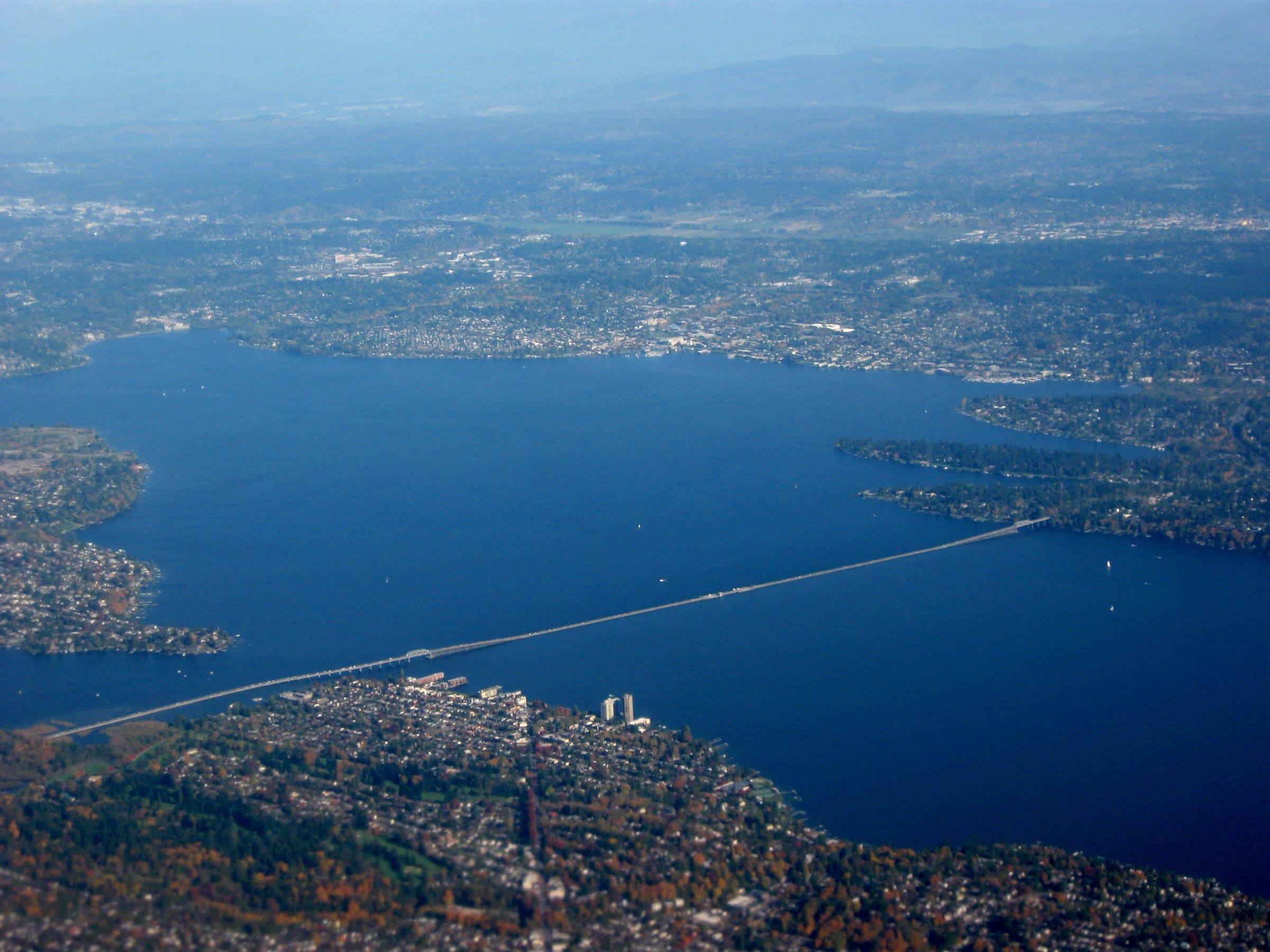
A useful PNW commute budget separates tolls, fuel or electricity, parking, and transit fares. Seattle-area Good To Go! facilities are not interchangeable with Portland’s untolled Willamette bridges. Do not apply an SR 520 allowance to a Beaverton driver who never crosses Lake Washington.
SR 520’s published weekday peak of $4.90 Good To Go! each way means a five-day peak habit can approach $196 per month in bridge tolls before parking. Shifting even two days into midday ($3.95) or onto Link changes the monthly total more than a minor MPG difference.
Pay By Mail’s $2 premium is avoidable operating waste. Keep a pass on the commuting vehicle and update the plate if you change cars. Rental and occasional-use vehicles need a separate plan.
I-405 express lanes and Tacoma Narrows Bridge tolls use different rate structures. Export three months of statements when possible. Dynamic lanes should be treated as a reliability purchase with a monthly cap.
Transit only wins when both ends work. Include first-mile access, transfers, weather, and the cost of a backup rideshare on failure days. Use the Commute Cost Calculator with actual office-day counts.
Good To Go! facilities and Portland contrasts
Washington’s Good To Go! system covers SR 520, Tacoma Narrows Bridge, SR 99 tunnel, and I-405 express toll lanes, among other facilities. Each has its own rate table. SR 520 uses time-of-day pricing; express lanes use dynamic pricing aimed at reliable speed.
Portland metro commuting is usually dominated by time, parking, and fuel rather than a Lake Washington-style toll. Columbia River crossings into Vancouver, WA, still create delay costs that belong in the worksheet as time and fuel, even without a per-crossing Good To Go! charge.
Sound Transit Link, buses, and Sounder, and TriMet MAX, buses, and WES, should be priced with monthly passes or Hop/ORCA products the household would actually buy—not a single cash fare multiplied optimistically.
Workplace parking can exceed tolls. Ask whether parking is subsidized, taxed as a benefit, or scarce enough to force distant lots and walking time in the rain.
Sample corridor frames
Illustrative patterns for building your own worksheet—not official averages.
Bellevue ↔ Seattle via SR 520
Peak Good To Go! crossings dominate variable cost for many hybrid office schedules.
- ·Multiply exact peak vs off-peak crossings
- ·Compare Link for days the workplace is station-adjacent
- ·Add Seattle parking separately
Redmond / Overlake ↔ Seattle
Link expansion and I-405 choices create more substitution options than outer Eastside towns.
- ·Price express lanes only for time-critical days
- ·Include first-mile bus or bike access
- ·Watch return-trip timing after late meetings
Tacoma ↔ Seattle
Longer I-5 mileage and possible Narrows exposure change the fuel and toll mix.
- ·Separate Narrows trips from I-5-only days
- ·Sounder may remove parking stress on some schedules
- ·Seat comfort matters on wet 40-mile days
Beaverton ↔ downtown Portland
US 26 delay and MAX options matter more than Washington toll tags.
- ·Price parking downtown or in Lloyd District explicitly
- ·Test MAX on rain days
- ·Do not import SR 520 math
Vancouver, WA ↔ Portland
Bridge congestion and two-state cost stacks without Seattle-style floating-bridge tolls.
- ·Count delay as fuel and time
- ·Keep WA insurance separate from Oregon parking
- ·Model reverse-commute peaks
Work-from-home hybrid
Two or three office days can cut tolls more than a new powertrain.
- ·Rebuild the worksheet after schedule changes
- ·Avoid financing a second car for a fading five-day habit
- ·Keep a transit backup for peak weeks
Weather that changes commute cost
Heavy rain
- ·Congestion and crash delays raise time cost even when tolls stay fixed
- ·Transit reliability and wet walk connections matter
- ·Increase following distance; do not treat AWD as rain insurance
Snow and pass spillover
- ·Mountain closures can push extra traffic onto metro freeways
- ·Check WSDOT and ODOT before combining commute and Cascade plans
- ·Deep pass prep lives in the seasonal sibling
Worked commute examples
20 peak SR 520 round trips
20 × $9.80 = $196 in Good To Go! tolls. Add fuel for ~30–40 round-trip miles depending on endpoints, plus parking. Compare with a monthly Link pass on days the office is rail-accessible.
12 peak + 8 midday SR 520 round trips
12 × $9.80 + 8 × $7.90 = $117.60 + $63.20 = $180.80 in tolls. Small schedule shifts still leave a large bridge bill—decide whether the car or the calendar should change.
I-405 express-lane user
Set a monthly cap from three months of statements. If the average exceeds the value of arriving on time, keep express lanes for deadline days only.
Portland parking-heavy commute
A $200 downtown parking bill can dwarf fuel. Test TriMet before assuming a second household car is cheaper than parking plus one efficient vehicle.
EV commute with home charging
Replace gasoline with delivered residential electricity and charging losses. Tolls and parking do not disappear. Use the Hybrid vs EV Monthly Calculator with actual office days.
One-car + transit household
Remove the second payment, insurance, and tires. Add ORCA/Hop fares and occasional rideshare. The win is usually schedule fit, not ideology.
Energy savings do not erase tolls
A home-charged EV can cut energy cost on a wet 30-mile round trip, but SR 520 and parking still print on the statement. Model tolls and parking before claiming an EV “solves” the commute.
Workplace charging helps only when access is reliable and does not create idle fees that erase savings. Apartment commuters without overnight charging should compare hybrids with public-charging time included.
Cold mornings and cabin heat change EV consumption. Use recent winter efficiency, not brochure figures, when Cascades weekends share the same battery.
What to carry into the showroom
Build the PNW commute total from the actual corridor: Good To Go! rates by time of day, express-lane statements, parking, energy, and a transit option with working endpoints. Then decide whether the household needs a different vehicle, a different schedule, or fewer cars.
Recalculate after office-day changes, a move across Lake Washington or the Columbia, or a toll-rate update. The durable answer is a worksheet with replaceable inputs.
Related guides
- Pacific Northwest Region Guide
- Seattle–Eastside Car Ownership
- Portland Car Ownership
- PNW Ownership Costs
- Commute Cost Calculator
- Car Affordability Calculator
- Hybrid vs EV Monthly Calculator
- Public vs Home Charging
- Lease vs Finance
- Best Cars for Long Commutes
- Hybrid vs EV for City Drivers
- Charging at Condos and Apartments
- Seattle to Vancouver
More PNW driving guides
Seattle–Eastside Car Ownership
Seattle, Bellevue, Redmond, Kirkland, and Eastside ownership: SR 520 and I-90 bridges, Good To Go!, Sound Transit, hills, rain, parking, charging, and household schedules.
Ownership realityPortland Car Ownership
Portland metro ownership across Multnomah, Washington, and Clackamas counties: bridges, TriMet, I-5 and US 26, rain, hills, parking, charging, and family schedules.
Ownership mathPNW Ownership Costs, Insurance, and Registration
Washington vs Oregon car-cost math for sales tax, registration, RTA and county fees, insurance, fuel, EV tiers, tires, and worked monthly totals.
Seasonal safetyPNW Seasonal Driving: Rain, Snow, and Mountain Passes
Vehicle preparedness for Pacific Northwest rain, hydroplaning, Cascade mountain passes, traction devices, ice, and official WSDOT/ODOT alerts—not a road-trip itinerary.
Car culturePNW Outdoors, Imports, and Motorsport
A respectful guide to Pacific Northwest outdoor vehicle use, import and enthusiast communities, and sanctioned motorsport at venues like Portland International Raceway—not a generic PNW car-culture roundup.