PNW Outdoors, Imports, and Motorsport: Gear, Scenes, and Respectful Participation
Pacific Northwest vehicle culture is not one aesthetic. Outdoor adventure builds, import and tuner communities, club track days, and venues such as Portland International Raceway each carry their own craft, rules, and responsibilities.
Key numbers for PNW Outdoors, Imports, and Motorsport
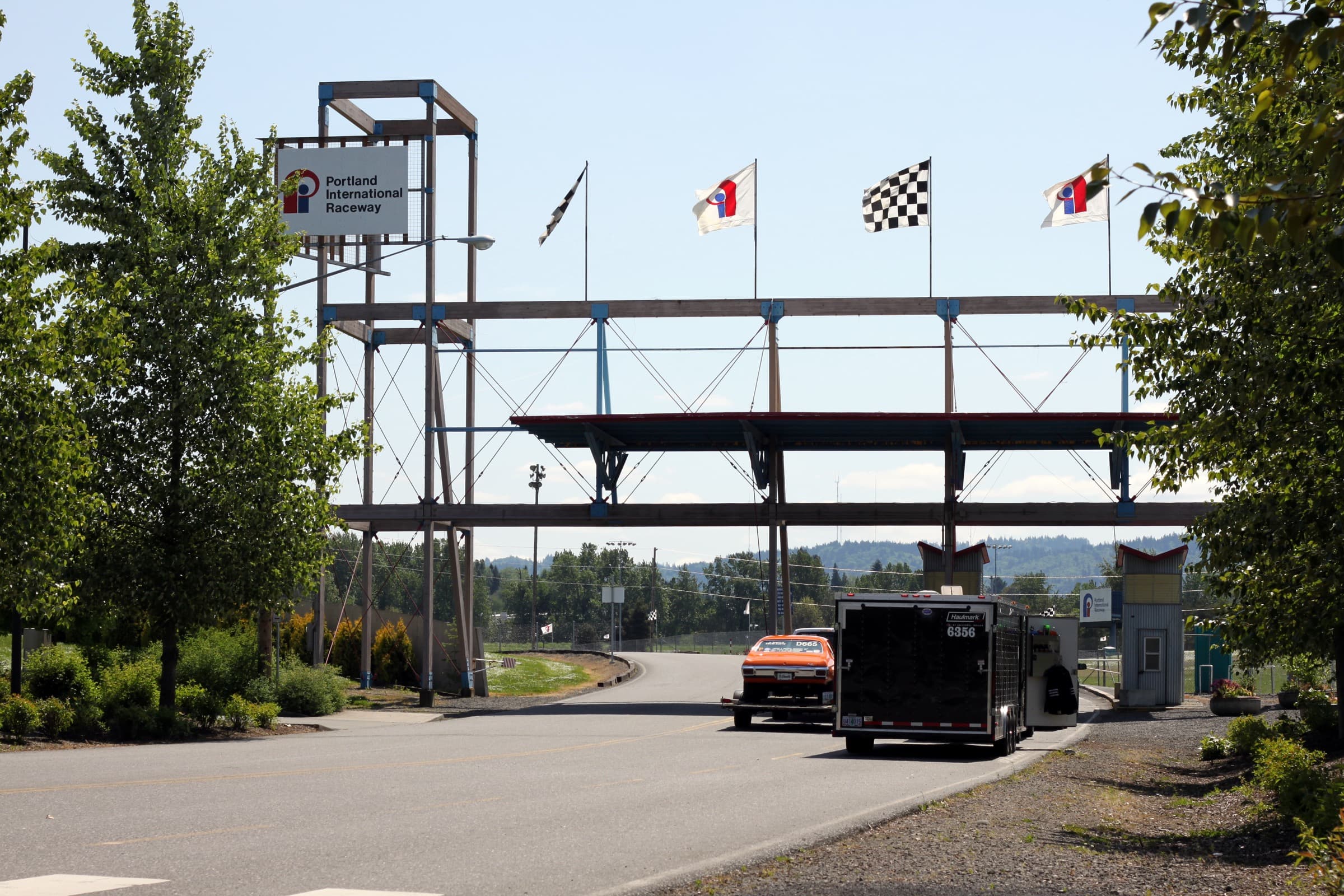
- Portland International Raceway
- PIR
- City of Portland motorsport facility hosting club racing, motorsports events, and driver-education weekends on a permanent road course in North Portland.
- Pacific Raceways
- Kent, WA
- Long-running Seattle-area road course and drag facility used by club racers and sanctioned events—confirm current calendars directly with the operator.
- Outdoor use test
- Frequency
- Roof boxes, hitch racks, AWD, and clearance earn their keep only when Cascade, coast, or dirt-access trips recur often enough to justify tires, fuel, and insurance.
- Import scenes
- Local clubs
- Japanese and European enthusiast communities in Seattle and Portland organize meets, autocross, and track days—participation should follow organizer rules and venue permission.
- Street racing
- Illegal
- Public-road racing and takeover behavior endanger bystanders and venues. Sanctioned tracks exist so competition stays off streets.
- Noise and parking
- Community limits
- Exhaust, audio, and meet parking are regulated locally. Organizer permission does not waive city ordinances or private-property rules.
- Parent page role
- Ownership map
- The main PNW region guide covers rain, bridges, and household ownership. This child names outdoor, import, and motorsport traditions without flattening them into one style.
- Cross-border note
- GVA sibling
- British Columbia scenes and insurance rules belong primarily on the Greater Vancouver page; do not treat Canadian events as interchangeable with Oregon or Washington law.
Name the traditions; do not flatten them
The main Pacific Northwest region page should explain rain, bridges, insurance, and household ownership. This child guide has a narrower job: explain outdoor vehicle use, import and enthusiast communities, and sanctioned motorsport without folding them into one “PNW aesthetic.” A daily hybrid, a trail-capable wagon, a clean import, and a club-race car are not interchangeable identities.
Outdoor culture begins with practical cargo and weather. Hiking, skiing, climbing, and coast camping create real demand for wet-storage solutions, roof or hitch systems, and dependable all-season or winter tires. That utility sits beside lifted builds and social-media trail poses. Respect means asking what a vehicle actually does on weekends.
Import and tuner communities in Seattle and Portland have deep local club histories—Japanese classics, modern performance imports, European sports cars, and mixed cars-and-coffee gatherings. Photographing a meet is not a substitute for learning the organizer’s rules or a builder’s story.
Motorsport belongs at permitted venues. Portland International Raceway and Pacific Raceways exist so people can drive hard with barriers, rules, and emergency services. Freeway speeds and parking-lot takeovers are not community representation.
Modifications change insurance, tire load ratings, headlamp aim, and warranty support. A safe build treats those limits as engineering facts, not optional paperwork.
Venues, clubs, and public-road limits
Portland International Raceway hosts club racing, motorcycle events, and high-performance driver education depending on the calendar. Spectators and novices should use official parking, ticket, and sound guidance for each weekend.
Pacific Raceways in Kent serves road-course and drag-racing communities in the Seattle metro. Operator schedules and tech rules change—confirm before towing a trailer across I-5.
Autocross, rallycross, and time-attack groups often rent parking lots or tracks under sanctioning bodies. Eligibility, helmet standards, and insurance exclusions vary; read the weekend’s supplemental rules.
Public roads remain for transportation. Washington and Oregon law prohibit racing on highways. Exhaust, lighting, and meet-noise ordinances still apply when a cruise ends on a city street.
Scenes are local and overlapping
These modules identify practices and venues, not demographic checklists.
Cascade outdoor builds
Ski, hike, and dirt-access vehicles that prioritize tires, recovery sense, and weather sealing over appearance alone.
- ·Match clearance and tires to real routes, not driveway stance
- ·Pack out trash; stay on legal roads and trails
- ·Rent for rare overland trips instead of over-buying daily
Seattle import and club meets
Organized gatherings around Japanese and European cars with varying formality and venue rules.
- ·Ask before close photography
- ·Leave when capacity is reached
- ·No burnouts, litter, or blocking accessible spaces
Portland maker and indie car culture
Smaller shops, vintage projects, and creative builds alongside mainstream outdoor wagons.
- ·Credit builders and shops when sharing images
- ·Support legal event spaces so they remain available
- ·Keep street manners separate from track manners
PIR race weekends
North Portland road-course activity with club and spectator rhythms.
- ·Follow paddock and spectator rules
- ·Expect post-event traffic on nearby arterials
- ·Do not imitate race speeds on public exits
Kent / Pacific Raceways orbit
Seattle-south motorsport with road course and drag traditions.
- ·Verify tech inspection and sound limits
- ·Plan trailer parking and fuel
- ·Check insurance exclusions for track use
Cross-border weekend curiosity
Trips toward Vancouver scenes require passports, insurance clarity, and respect for Canadian rules.
- ·Read the Greater Vancouver guide for B.C. ownership context
- ·Do not assume U.S. meet norms apply
- ·Use the Seattle–Vancouver road-trip guide for corridor logistics
A respectful calendar
Spring track and autocross
- ·Confirm novice schools and helmet requirements
- ·Inspect brakes, tires, and fluids before HPDE
- ·Book early; popular weekends fill
Summer meets and coast runs
- ·Hydrate people, not only detail cars
- ·Never leave children or pets in parked vehicles
- ·Watch coastal wind with roof racks
Fall and winter outdoor use
- ·Switch to appropriate tires before pass season
- ·Carry traction devices when required
- ·Deep pass safety: Seasonal Driving sibling
Year-round street etiquette
- ·Keep exhaust and audio neighbor-aware
- ·No racing or takeover behavior
- ·Leave venues cleaner than you found them
Six ways to participate without losing the plot
The first outdoor wagon buyer
List the real monthly trips with gear. If ski days are rare, a roof box rental and good tires may beat financing a trail-branded SUV for commuting.
The aspiring track-day driver
Start with instructed HPDE or autocross. Read insurance exclusions, complete tech inspection, and leave electronic aids on until an instructor and the rules support a change.
The import project household
Budget rust, parts shipping, and insurance before paint. A clean daily plus a project car is often saner than one unfinished showpiece that must also commute in the rain.
The meet organizer
Obtain written property permission, set capacity and conduct rules, preserve fire lanes and accessible spaces, and shut down unsafe behavior before it becomes the public face of the community.
The overland-curious commuter
Separate daily efficiency from rare dirt roads. Heavy suspension and oversized tires can hurt wet-highway braking and fuel cost if they are theater.
The spectator family
Use official PIR or Pacific Raceways spectator guidance, bring hearing protection for kids, and treat the drive home as a public road—not a cooldown lap.
New powertrains belong in the conversation too
Electric and hybrid vehicles already appear at meets, HPDE weekends, and outdoor trailheads. They should not be dismissed as appliances, nor presented as culturally neutral replacements for historic builds.
EV adventure use still depends on charging control, cold-weather range, and tire choice. A nearby DC fast-charger icon is not a mountain plan.
Apartment enthusiasts should verify overnight charging before buying a track-plus-commute EV that must public-charge between sessions.
What to carry into the showroom
PNW car culture is strongest when its differences stay visible. An outdoor wagon, a carefully built import, a PIR club racer, and a quiet city EV do not need one myth. Each deserves accurate rules and respectful participation.
The practical entry point is simple: choose a permitted meet or sanctioned venue, ask before photographing people or private details, credit the work, and keep competition off public roads. Respect helps communities keep their spaces.
Related guides
- Pacific Northwest Region Guide
- Seasonal Driving: Rain, Snow, and Mountain Passes
- Portland Car Ownership
- Seattle–Eastside Car Ownership
- Southern California Car Culture
- Texas Trucks, Slabs, Lowriders, and Motorsport
- Best Luxury SUVs for Family Road Trips
- Best Cars for Multigenerational Households
- Car Affordability Calculator
- Commute Cost Calculator
- EV vs Gas Road Trip Calculator
- Seattle to Vancouver
- Greater Vancouver
More PNW driving guides
Seattle–Eastside Car Ownership
Seattle, Bellevue, Redmond, Kirkland, and Eastside ownership: SR 520 and I-90 bridges, Good To Go!, Sound Transit, hills, rain, parking, charging, and household schedules.
Ownership realityPortland Car Ownership
Portland metro ownership across Multnomah, Washington, and Clackamas counties: bridges, TriMet, I-5 and US 26, rain, hills, parking, charging, and family schedules.
Commute costsPNW Commute Costs: Bridges, Tolls, and Transit
Worked Pacific Northwest commute math for Good To Go!, SR 520, Tacoma Narrows, I-405 express lanes, parking, fuel, and Sound Transit / TriMet alternatives.
Ownership mathPNW Ownership Costs, Insurance, and Registration
Washington vs Oregon car-cost math for sales tax, registration, RTA and county fees, insurance, fuel, EV tiers, tires, and worked monthly totals.
Seasonal safetyPNW Seasonal Driving: Rain, Snow, and Mountain Passes
Vehicle preparedness for Pacific Northwest rain, hydroplaning, Cascade mountain passes, traction devices, ice, and official WSDOT/ODOT alerts—not a road-trip itinerary.