
Seattle–Eastside Car Ownership: Bridges, Link, Rain, and the Household Routes That Decide the Car
A practical ownership map for Seattle, Bellevue, Redmond, Kirkland, and nearby Eastside communities—where SR 520 and I-90, Good To Go!, Sound Transit, hills, rain, overnight parking, and overlapping schedules decide the driveway before badge preference does.
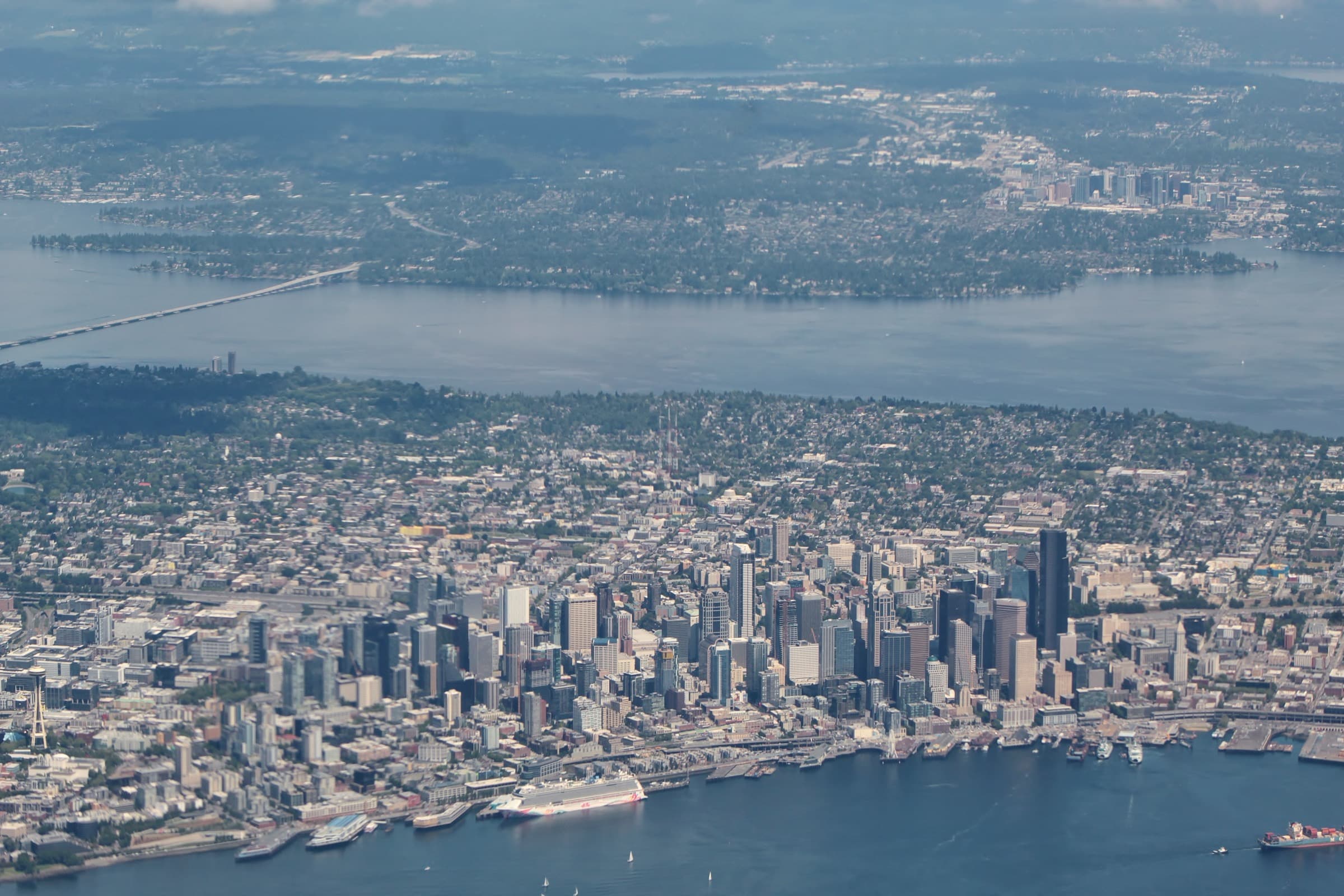
Key numbers for Seattle–Eastside Car Ownership
- Seattle–Tacoma–Bellevue MSA
- 4.16M
- U.S. Census Bureau July 1, 2025 estimate (4,161,883) for the metropolitan statistical area that frames this guide.
- Bellevue population
- 154,193
- U.S. Census Bureau July 1, 2025 city estimate. Bellevue’s Asian alone share is 42.8% in QuickFacts—context for multigenerational schedules, not a vehicle prescription.
- SR 520 weekday peak toll
- $4.90
- Good To Go! two-axle pass rate weekdays 7–10 a.m. and 3–7 p.m. Pay By Mail is $2 higher. Rates vary by time of day.
- SR 520 midday weekday
- $3.95
- Good To Go! pass rate weekdays 10 a.m.–3 p.m. and 7–9 p.m. Model the household’s actual crossing times.
- 2023 WA auto expenditure
- $1,152.50
- NAIC / III statewide average expenditure. Eastside ZIP codes, young drivers, and comprehensive choices still require a direct quote.
- 2025 WA regular gasoline
- $4.132/gal
- U.S. EIA annual average for Washington regular all-formulations retail gasoline (2025). Use a current Eastside or Seattle pump price for commute math.
- WA basic tab fee
- $30+
- Washington’s statutory passenger license tab fee is $30, but DOL notes everyone starts from a basic fee structure near $43.25 before weight, local, RTA, and service charges. Use License Express for the exact renewal.
- Lake Washington crossings
- SR 520 / I-90
- The two primary freeway bridges between Seattle and the Eastside. SR 520 is tolled both ways; I-90 is not a Good To Go! toll bridge in the same program.
Start with the bridge and the parking space
Seattle–Eastside ownership is not one pattern. A Capitol Hill renter with garage access, a Bellevue family on SR 520 three days a week, a Redmond tech worker near Link, and a Kirkland household ferrying kids across I-405 face different versions of the same wet metro. Begin with repeated destinations and overnight parking, not a regional assumption that every driveway needs AWD and a roof box.
Lake Washington is the ownership divider. SR 520’s time-of-day Good To Go! tolls can become a fixed monthly bill for Eastside–Seattle commuters; I-90 offers an untolled freeway alternative with its own congestion. Price the corridor you actually drive, including return trips and school-day timing.
Bellevue’s 42.8% Asian alone share and large Eastside immigrant and tech communities often mean multigenerational passengers, temple or community trips, and Sea-Tac airport duty. Load the actual people and luggage before buying a third row for rare gatherings.
Hills and rain punish thin tires and deferred wiper blades more than they reward aggressive styling. Theft and break-ins remain address-specific; quote comprehensive coverage for the garaging ZIP and secure keys away from exterior doors.
Build a seven-day route diary: work, school, caregiving, grocery, Sound Transit options, and airport runs. Mark whether each trip needs a car at both ends. Then decide whether one versatile vehicle plus Link beats two financed crossovers.
SR 520, I-90, I-405, and Sound Transit
SR 520 tolls both directions with weekday peaks at $4.90 Good To Go! for two-axle vehicles in the 7–10 a.m. and 3–7 p.m. windows. Midday and evening shoulders are lower; overnight rates drop to $1.35. Pay By Mail adds $2. Keep a pass on the vehicle you actually commute with.
I-405 express toll lanes use dynamic pricing separate from SR 520’s fixed time-of-day table. Budget them as a limited monthly allowance or average three months of statements rather than assuming daily use.
Sound Transit Link connects Seattle, Bellevue, and growing Eastside stations; Sounder and buses cover other corridors. Transit replaces a car only when both ends of the trip and the late return work. Test a full week before canceling a second payment.
Sea-Tac duty rewards luggage room behind occupied seats and a clear comparison of Link, rideshare, and terminal parking—not an oversized vehicle bought for suitcase weekends alone.
How ownership changes across Seattle and the Eastside
These are decision frames, not rankings. Parking rights and job locations can change the answer within the same city.
Seattle core and hills
Steep streets, paid parking, and denser transit can make one household car practical when overnight space is secure.
- ·Measure garage height and curb clearance before choosing size
- ·Prioritize wet-braking tires and visibility
- ·Do not assume a nearby public charger makes apartment EV ownership easy
Bellevue and Factoria
Job centers, I-405, and SR 520 access create toll-sensitive, high-mileage suburban patterns.
- ·Price Good To Go! for the real office-day count
- ·Home charging can make an EV practical when electrical work is verified
- ·Test school and caregiving overlap before financing a second car
Redmond, Overlake, and Link-adjacent Eastside
Tech campuses and expanding rail create more substitution options than outer suburbs.
- ·Compare Link plus one family vehicle with two solo commuters
- ·Include first- and last-mile access in the transit test
- ·Keep cargo capacity matched to weekly loads, not imagined weekend maximums
Kirkland, Totem Lake, and Juanita
I-405 exposure and school schedules often favor a reliable household vehicle even when one adult can use transit some days.
- ·Model express-lane use as optional, not default
- ·Quote insurance for the exact ZIP and trim
- ·Plan a backup for the car that carries fixed family duties
South Lake Union, U District, and north Seattle
Mixed transit, parking scarcity, and bridge-bound airport or Eastside trips create compact-vehicle pressure.
- ·Secure assigned parking before choosing a powertrain
- ·Compare car-share and rideshare for rare large loads
- ·Theft prevention and comprehensive deductibles belong in the purchase spreadsheet
Tacoma edge and South Sound connections
Longer I-5 runs and occasional Tacoma Narrows exposure change the mileage and toll picture for some households.
- ·Separate South Sound commute math from Eastside bridge math
- ·Efficiency and seat comfort compound on long wet drives
- ·Send deep Narrows toll detail to the commute-costs sibling
Rain, leaves, and mountain weekends—local notes
Wet season
- ·Replace worn tires before the long rainy stretch
- ·Keep wipers, defrosters, and lights working
- ·Increase following distance on leaf-covered hills
Cascade trips
- ·Check WSDOT pass conditions before Snoqualmie or Stevens departures
- ·Carry traction devices when required for the vehicle class
- ·Full statewide pass detail: Seasonal Driving sibling
Theft and parking
- ·Quote the exact garaging ZIP and trim
- ·Remove visible valuables; secure keys away from doors
- ·Covered parking can matter as much as body style
Seattle–Eastside household decisions
Bellevue-to-Seattle SR 520 commuter
Crossings three or more weekdays at peak can exceed $100 monthly in tolls alone before fuel and parking. Compare Good To Go! totals with Link, hybrid office days, and I-90 timing before upsizing the car.
Redmond household with one Link-compatible job
One adult rides Link while the other handles school and errands. Test one flexible vehicle for three months before financing a second car.
Capitol Hill or Ballard apartment EV interest
Require written charging terms, assigned access, and billing clarity. Without dependable overnight charging, compare a hybrid with public-charging time included.
Eastside multigenerational household
Bring regular older passengers and child seats to the test. Entry height, rear climate control, and occupied-seat cargo often matter more than a nominal third row.
Two-car suburban family
Assign each vehicle a job—an efficient bridge or Link-adjacent commuter plus one family vehicle—rather than two large crossovers with identical empty seats.
Occasional ski or hiking household
Count real winter trips. Rent AWD or add a hitch rack for peak weekends instead of carrying unused capability all year.
Charging works when the stall is controlled
Eastside driveways and garages can make overnight EV charging simple after an electrical assessment and a realistic utility rate. Apartment and condo charging should be treated as conditional until permission, billing, and access hours are written down.
Wet-weather public charging adds time and reliability risk. A hybrid remains rational when the household cannot control the plug. Include tires and winter range effects in mountain-trip planning.
Washington renewal costs and any RTA exposure still apply to EVs. Compare total ownership, not only energy savings at a $4-plus gasoline average.
What to carry into the showroom
Seattle–Eastside ownership rewards a vehicle that fits repeated bridges, wet hills, real passenger loads, and overnight parking. Start with office days, Good To Go! habits, Link compatibility, and insurance for the garaging ZIP.
For many households, one efficient commuter or transit-compatible routine plus one flexible family vehicle beats two oversized SUVs. Recalculate after a move across Lake Washington, a Link habit change, or a new toll schedule.
Related guides
- Pacific Northwest Region Guide
- Portland Car Ownership
- PNW Commute Costs
- PNW Ownership Costs
- Seasonal Driving: Rain, Snow, and Mountain Passes
- Commute Cost Calculator
- Car Affordability Calculator
- Hybrid vs EV Monthly Calculator
- Public vs Home Charging
- Best Cars for Long Commutes
- Best Cars for Asian American Families
- Charging at Condos and Apartments
- Seattle to Vancouver
- Greater Vancouver
More PNW driving guides
Portland Car Ownership
Portland metro ownership across Multnomah, Washington, and Clackamas counties: bridges, TriMet, I-5 and US 26, rain, hills, parking, charging, and family schedules.
Commute costsPNW Commute Costs: Bridges, Tolls, and Transit
Worked Pacific Northwest commute math for Good To Go!, SR 520, Tacoma Narrows, I-405 express lanes, parking, fuel, and Sound Transit / TriMet alternatives.
Ownership mathPNW Ownership Costs, Insurance, and Registration
Washington vs Oregon car-cost math for sales tax, registration, RTA and county fees, insurance, fuel, EV tiers, tires, and worked monthly totals.
Seasonal safetyPNW Seasonal Driving: Rain, Snow, and Mountain Passes
Vehicle preparedness for Pacific Northwest rain, hydroplaning, Cascade mountain passes, traction devices, ice, and official WSDOT/ODOT alerts—not a road-trip itinerary.
Car culturePNW Outdoors, Imports, and Motorsport
A respectful guide to Pacific Northwest outdoor vehicle use, import and enthusiast communities, and sanctioned motorsport at venues like Portland International Raceway—not a generic PNW car-culture roundup.