
Best Cars for New Grads and Young Professionals
Your first real car after graduation should survive insurance quotes, student-loan months, and household approval — not just look good in a parking garage. This guide shows how to size the budget, pick a calm shortlist, and decide used, CPO, new, or keep the hand-me-down.
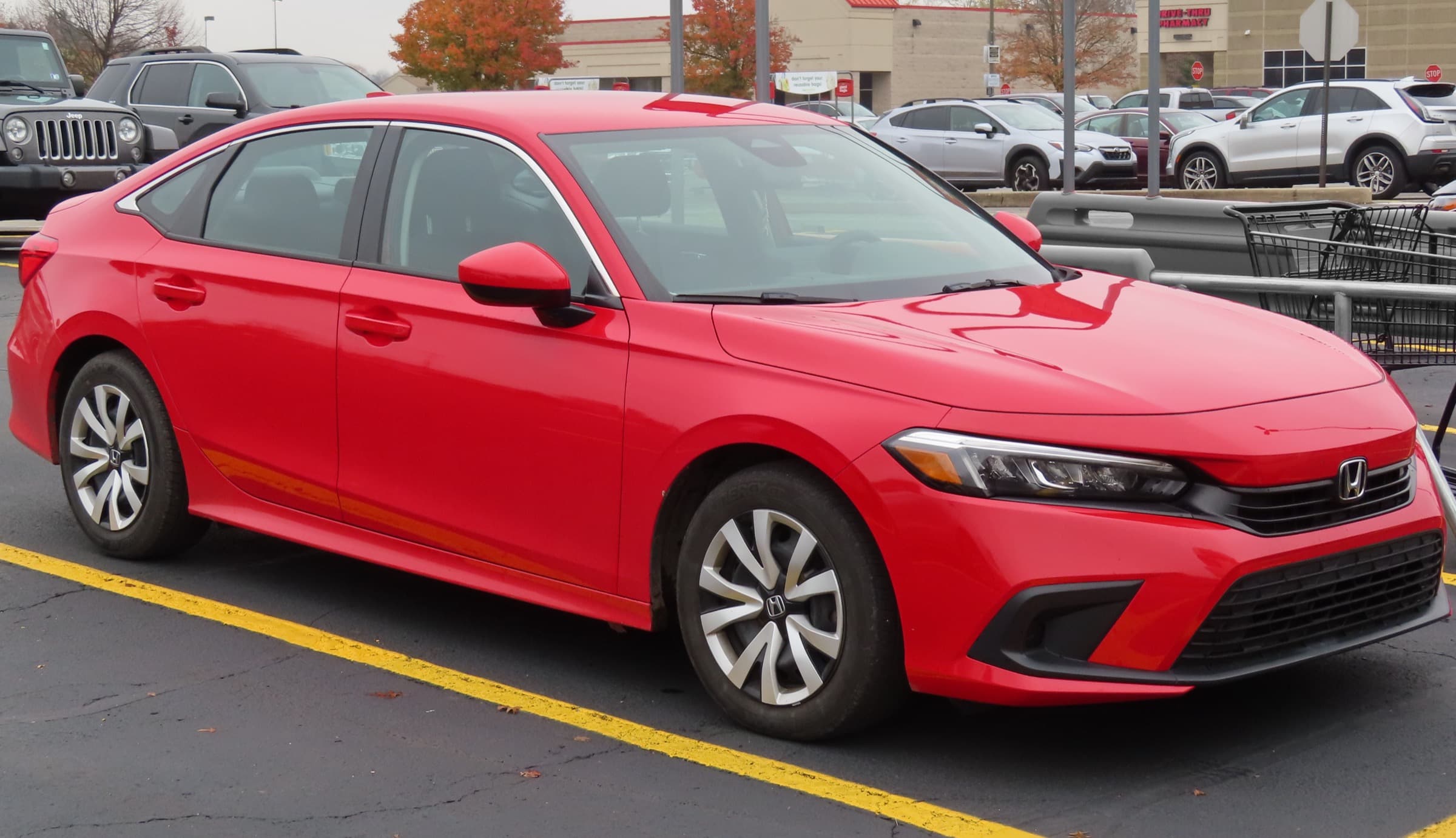
Quick answer
- Budget rule of thumb
- Experian-style guidance: keep the car payment near 10% of take-home pay, and total transportation (payment + insurance + fuel + parking) near 10–15%. Quote insurance before you fall for a trim.
- Market reality check
- Edmunds Q2 2026: average financed new-vehicle payment hit a record $777; used averaged $576 with about 10.5% APR. Averages are not targets — they show how easy it is to overbuy.
- Best default path
- Clean CPO or late-model used compact (Civic, Corolla, Mazda3, Elantra, Impreza class) — or keep a reliable hand-me-down another year if the job commute works.
- When new can win
- Strong credit, a promotional APR, and a keep horizon long enough that warranty and rate beat a harsh used loan. Run both through the used vs new calculator.
- What to skip first
- Performance trims, oversized SUVs you do not need, and seven-year loans that only work because the payment looks small. Edmunds found nearly one in four new buyers stretched to 84+ months in Q2 2026.
- Canada note
- GTA and GVA grads face the same payment-plus-insurance test, plus winter tires and condo parking. Treat those as fixed costs before you chase a badge.
The car has to fit the first paycheck, not the campus fantasy
Graduation resets the driveway conversation. Someone wants a new car to mark the job offer. Someone else wants you to keep the family Corolla until the student loans feel quieter. Relatives may offer a down payment with opinions attached. Your friends may be leasing something that looks better than it budgets.
Edmunds put the average financed new-vehicle payment at a record $777 in the second quarter of 2026, with used averaging $576. AAA’s 2025 Your Driving Costs study put average new-vehicle ownership near $11,577 a year at 15,000 miles — roughly $965 a month before your zip code’s insurance and parking show up. Those numbers are why this guide starts with cash flow, not horsepower.
Federal Reserve SHED data for 2024 put the median outstanding student-loan balance among borrowers with debt for their own education between $20,000 and $24,999. Education Data Initiative figures for bachelor’s borrowers often land near the mid-$30,000s depending on school type. Either way, a car payment that eats the first raise is a slow own-goal.
This is not a ranked “best cars” list. It is a decision framework: size the real monthly stack, pass the household approval filter, shortlist calm brands with cheap parts and fair insurance, then choose used, CPO, new, lease, or wait.
Five tests before you test-drive
Run these on paper first. A salesperson will happily start with the monthly payment that fits a stretch term.
Test 1
The Take-Home Stack Test
Experian’s common framing keeps the payment near 10% of take-home and total transportation near 10–15%. On a $4,000 take-home month, that is roughly $400 for the payment alone and $400–$600 for the whole stack. A $777 average new payment already blows past many first-job budgets before insurance.
Monthly stack = payment + insurance + fuel/charging + parking + ~$40–$80 maintenance buffer
Stack ÷ take-home pay ≈ share of income (aim near 0.10–0.15)
Worked example
- ·Take-home $3,800; CPO Civic payment $320; insurance $210; fuel $140; parking $0 → stack ~$670 (~18%) — still tight; shrink payment or trim.
- ·Same income; hand-me-down payment $0; insurance $180; fuel $160 → stack ~$340 (~9%) — room to save or wait.
Test 2
The Insurance-Before-Crush Test
CarInsurance.com’s 2026 analysis put full coverage for a clean-record 25-year-old near about $254 a month nationally — and teens and early-20s drivers often pay far more. Sporty trims and coupes price differently than a base Civic or Corolla. Quote the boring trim and the exciting one on the same day.
Test 3
The Used / CPO / New Split Test
Edmunds Q2 2026 used APR averaged about 10.5% versus about 7.0% for new. A cheaper used car with a harsh rate can still cost more month to month. HondaTrue Certified and Toyota Gold-style CPO programs commonly layer multi-year powertrain coverage — verify the exact booklet for the car in front of you.
Run street price, APR, term, and years kept in the used vs new calculator
Add insurance quotes on both paths before declaring a winner
Worked example
- ·New compact at $28,000 / 5.9% / 60 months vs CPO at $21,000 / 9.9% / 60 months — calculator + insurance decide, not the sticker gap alone.
Test 4
The Commute and City Fit Test
Pew’s 2023 analysis found 18% of U.S. adults ages 25–34 living in a parent’s home — higher in some California and Texas metros. If you share a driveway or a strata stall, compact length, turning radius, and insurance on the household policy matter more than cargo theater.
Test 5
The Household Approval Test
Toyota, Honda, Mazda, Hyundai, Kia, and Subaru usually clear that dinner-table bar faster than a first-generation anything. Quiet status can wait for the first luxury guide after the budget stabilizes.
Deal-day checklist
Print this or keep it on your phone.
- Take-home budget and max stack written down before you arrive
- Insurance quotes for top two trims / VINs
- Pre-approval or credit union rate to compare with dealer financing
- Independent inspection lined up for any non-CPO used car
- Vehicle history report pulled and read
- Out-the-door price target (taxes, fees, extras) — not monthly payment
- Refusal list: unnecessary paint protection, extended warranties you do not understand, seven-year terms by default
Four buyer profiles we see most
Match the profile, then shortlist — do not shop every category at once.
First job, thin credit, real commute
Need reliable weekday miles without stretching into a $700+ payment. Often better on CPO compact or a carefully inspected used hybrid if miles are high.
Likely shortlist
- ·Honda Civic / Toyota Corolla / Mazda3
- ·Hyundai Elantra / Kia Forte
- ·CPO Subaru Impreza if AWD winters matter
City transplant with transit weekdays
Car is for weekends, airport runs, and grocery loops. Prioritize insurance, parking height, and theft ratings over three-row fantasies.
Likely shortlist
- ·Compact hatch or sedan
- ·Late-model used hybrid if stop-and-go dominates
- ·Skip lease unless mileage and garage rules fit cleanly
Parent-supported first car
Down payment or cosign arrives with brand opinions. Find overlap: reliability reputation plus a payment the graduate can carry alone if help ends.
Likely shortlist
- ·CPO Camry / Accord / RAV4 / CR-V in restrained trims
- ·Mazda CX-30 / CX-5 if design matters
- ·Avoid performance packs that spike insurance on a shared policy
Strong offer letter, upgrade itch
Income can support more car — insurance and keep-years still should. Consider new only with a sane term; read the first luxury guide before jumping badges.
Likely shortlist
- ·New or CPO compact / small crossover hybrid
- ·Entry Acura Integra or similar only after insurance quotes
- ·Lease only if you will not outgrow miles or mods
Brand-neutral shortlists by need
These are starting points for shopping conversations, not awards. Inventory, insurance, and inspection results decide the VIN.
Eastward Drive does not claim to have instrumented every trim. Compare current EPA labels, crash ratings, and dealer paperwork in your market.
| Need | Start here | Upgrade path | Watch out for |
|---|---|---|---|
| Lowest stress first car | CPO Civic, Corolla, Mazda3, Elantra | Camry Hybrid or Accord Hybrid if commute miles are high | Sport/Si/N-Line trims that quietly raise insurance |
| Winter or mountain job | Impreza, Crosstrek, or AWD compact crossover | RAV4 / CR-V / Tucson Hybrid when budget allows | All-wheel drive does not replace winter tires in Canada or the Northeast |
| Apartment parking + errands | Hatchback Civic / Corolla / Mazda3; small crossover only if height clears | Used hybrid if fuel and stop-go weeks stack up | Oversized SUVs that fight garage clearance and insurance |
| High annual miles | Hybrid compact or midsize with strong reliability reputation | See when a hybrid premium pays off for your miles and gas price | Cheap non-hybrid with a long freeway week and no fuel plan |
| Want something nicer later | Buy calm now; save the gap for 24–36 months | First luxury guide — CPO Lexus/Acura/Genesis ladders | Stretching into luxury on a first loan with thin credit |
Where you live changes the first car
Metro context for insurance, parking, and commute pressure.
Southern California
Parking, freeway miles, and family approval corridors from SGV to OC — compact hybrids earn their keep.
Northeast
Insurance and street parking bite early; Edison, Queens, and Bergen grads should read the local ownership children.
Texas
Distance and heat matter more than snow; still avoid buying truck size for a solo commute.
GTA
Winter tires, 401 weeks, and condo parking fees belong in the stack before the badge debate.
Household money, not just your money
- Cosigners should see the full monthly stack — payment, insurance, and a repair buffer — not the dealer’s payment slide alone.
- Many Asian American and Asian Canadian families prefer Toyota/Honda packaging for a first car; treat that as a trust filter you can work with, not an insult to your taste.
- If relatives fund the down payment, agree in writing who owns the title, who pays insurance, and what happens if you move cities.
- Quiet competence beats a loud badge in year one. Save the status conversation for when the budget is boring in a good way.
Three common forks in the road
Pick the scenario that matches this year — not the car you wanted at 19.
Keep the hand-me-down one more year
If the car is safe, inspected, and cheap to insure on your record, another year of payments at $0 can fund an emergency fund or a larger down payment. Pew’s living-with-parents share for ages 25–34 is still material in many metros — shared housing often pairs with shared cars.
Likely best fit: Keep it if repair risk is modest and the commute works. Sell when repair quotes start competing with a CPO payment.
CPO compact versus new compact
New wins when the APR gap and warranty calm beat the price premium over the years you will keep the car. Used/CPO wins when the inspection is clean and the rate is not punitive. Edmunds’ ~$201 average payment gap between new and used is a starting clue, not a personal answer.
Likely best fit: Run used vs new with real lender quotes, then bind insurance on both VINs.
Lease the ‘professional’ car
Leases can fit short city assignments with low miles. They punish job hops, side gigs with mileage, and modifications. Read the lease-or-buy guide before a $0-down ad feels like free money.
Likely best fit: Lease only with mileage headroom and an exit plan. Otherwise buy a smaller car you can keep.
Mistakes that show up fast
Mistake 1
Shopping the payment, not the term
An 84-month loan can make a too-expensive car look affordable. Edmunds found 23.9% of financed new buyers in Q2 2026 took 84 months or longer. Shorter terms cost more per month and less in interest — and keep you out of being underwater longer.
Mistake 2
Skipping insurance quotes until after the handshake
A sporty trim or a move to a dense zip code can add hundreds a month. Quote first.
Mistake 3
Buying cargo you will not use
Three-row SUVs and trucks feel like adulthood and often fail parking, fuel, and insurance tests for a single graduate. Size up when the household actually needs the seats.
Mistake 4
Ignoring the used APR trap
A lower sticker with a teens-to-double-digit used rate can erase the savings. Compare total cash, not pride in ‘buying used.’
Run the affordability number first
Use take-home income, existing debts, and a realistic insurance estimate. Then cross-check used vs new and lease vs finance if those paths are still alive.
The bottom line
The right first car after graduation is the one whose full monthly stack leaves room for student loans, rent, and a boring emergency fund — and that relatives will not have to rescue.
Start with CPO or clean used compact packaging, quote insurance early, and upgrade on purpose later. Looking responsible at 24 beats looking impressive for one Instagram weekend.