
New York to Washington DC: Distance, Drive Time, and the I-95 Corridor
About 225–230 miles via the New Jersey Turnpike and I-95 — usually 4 to 4.5 hours when traffic cooperates, longer when Delaware tolls and the Baltimore–Washington stretch rewrite the day.
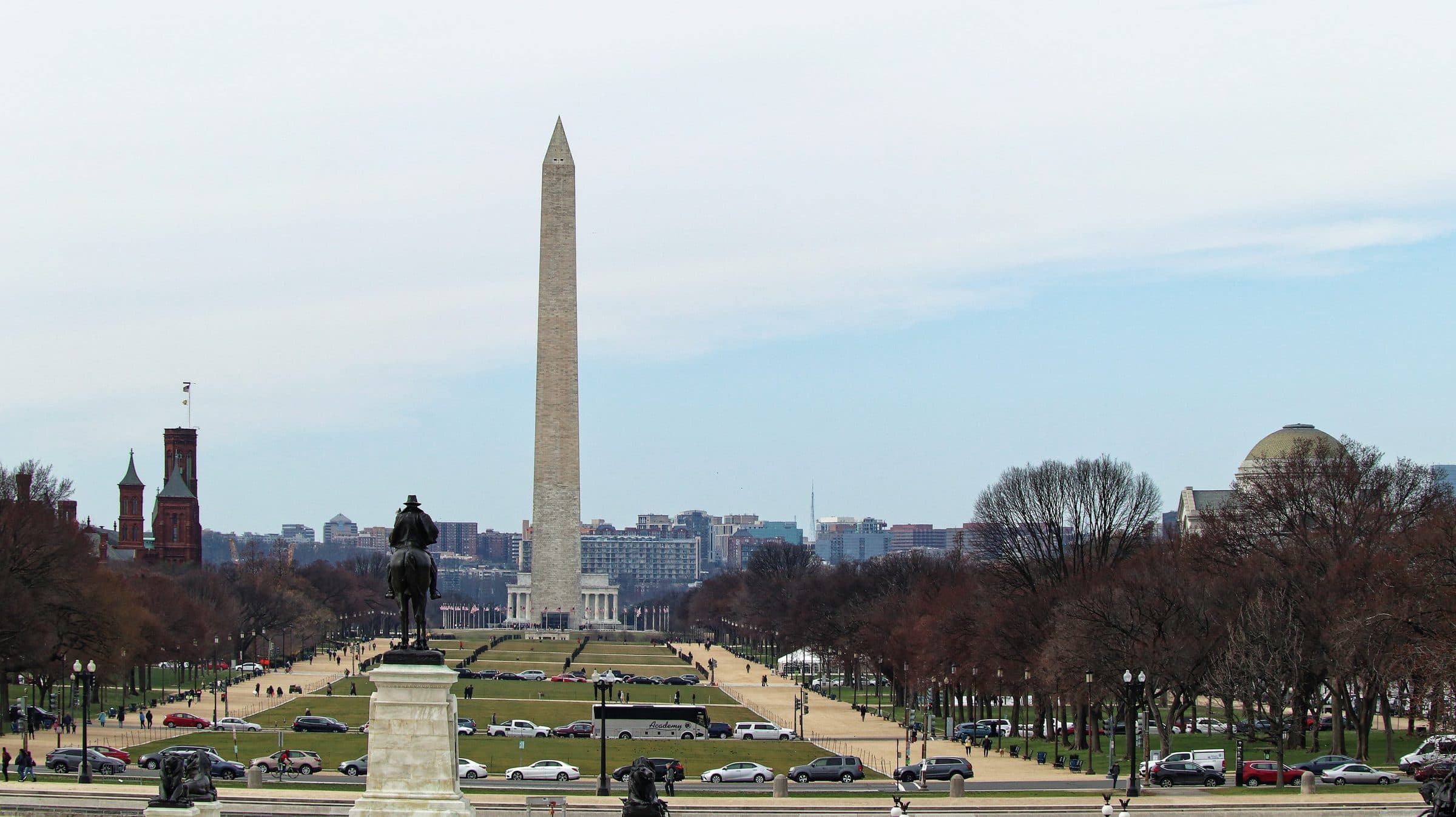
New York to Washington DC is the I-95 corridor drive policy interns, Smithsonian families, and Mid-Atlantic relatives treat as routine until Delaware toll plazas and Beltway merges rewrite the schedule.
About 225–230 miles and 4 to 4.5 hours when the Turnpike and Baltimore–Washington stretch cooperate — longer on Friday afternoons when half the Northeast seems to leave at once.
Chinese American, Korean American, South Asian, and Filipino households across Flushing, Brooklyn, Edison, and Bergen County do this run for Mall museums, Capitals or Wizards weekends, and cousins in NoVA or Maryland. The car needs E-ZPass, patience, and a parking plan before you clear Delaware.
Leave Saturday before 7 a.m. and you might still get a National Mall afternoon. Leave Friday at 5 p.m. and Chinatown DC dinner becomes a midnight negotiation.
Distance and drive time
- How far is New York from Washington DC?
Most mapping tools put Midtown Manhattan to downtown DC near 225–230 miles on the Turnpike / I-95 path — the corridor almost everyone uses.
Brooklyn, Queens, or North Jersey starts change the Hudson crossing more than total mileage. Straight-line distance is about 200–205 miles; the highway follows the Mid-Atlantic industrial and coastal plain corridor.
- ·Holland Tunnel versus George Washington Bridge changes the first hour more than the destination.
- ·Baltimore Inner Harbor detours add roughly 15–20 miles when you leave I-95 through the city.
- How long does it take to drive from New York to Washington DC?
Pure highway time once you clear the Hudson often lands near 3.5 to 4 hours. Door-to-door with a Delaware stop and DC garage hunt commonly becomes 4.5 to 5.5 hours.
Primary choke points: New Jersey Turnpike commute peaks, the Delaware Memorial Bridge approach, Baltimore’s I-95 / tunnel decisions, and the Baltimore–Washington corridor into the Capital Beltway (I-495).
- ·Leave Saturday before 7 a.m. when you can — Friday 3–7 p.m. southbound is the trap.
- ·Cherry Blossom season adds DC surface and parking chaos even when the highway was kind.
- What is the best route from NYC to Washington DC?
The classic path is Turnpike south to Delaware, I-95 through Wilmington’s orbit, then Maryland. Around Baltimore, choose Fort McHenry Tunnel (I-95), the Harbor Tunnel (I-895), or I-695 beltway bypass depending on live congestion.
US-1 and local alternates exist. They rarely beat I-95 on time for a full New York–DC run, and they trade plaza amenities for stoplights.
- ·Carry E-ZPass or a compatible transponder — Turnpike, Delaware Memorial Bridge, and Delaware I-95 plazas all expect electronic tolling habits.
- ·Delaware Memorial Bridge passenger car rates (as of April 1, 2025): about $5 E-ZPass / $6 cash; DE/NJ E-ZPass accounts get a slight discount on the bridge.
- Where should you stop on the NYC to DC drive?
Delaware rest areas and the Newark / Christiana cluster are the default sanity stop — restrooms, food, and EV fast charging options before the Maryland push.
Chinese American, Korean American, and Filipino households across Queens, Brooklyn, and North Jersey often stack a Flushing or Manhattan send-off with Chinatown DC dinner near the Friendship Archway and Gallery Place–Chinatown Metro — compact, walkable, and easier than hunting National Mall street parking first.
- ·Delaware Welcome Center / rest-area cluster — 20–30 minutes.
- ·Christiana Mall area (Newark DE) — 45–60 minutes when you need more than plaza food.
- ·Chinatown DC (H Street NW near 7th) — 60–90 minutes for dinner.
- ·National Mall museums — 2–4 hours once parked.
- Is the NYC to DC drive easy in winter?
I-95 through New Jersey, Delaware, and Maryland is heavily traveled and usually plowed, but freezing rain remains the failure mode that apps cannot fully fix. Build buffer and check 511 systems for NJ, DE, and MD before you commit.
EV drivers should assume meaningful cold-range loss at highway speeds with cabin heat — AAA’s recent testing puts average BEV range loss near 39% at 20°F versus mild weather. Charge in Delaware with margin, not optimism.
- ·Carry an emergency kit — water, layers, phone power — even on this “urban” corridor.
- ·If forecasts show ice, Amtrak is often the saner Northeast Corridor move.
- Is New York to Washington DC easy in an EV?
At roughly 225–230 miles, many long-range EVs can do the corridor from a high NYC start, but Turnpike speeds, summer AC, and Beltway creep punish soft departures. Plan a Delaware or Maryland DC stop unless you leave above about 90% and accept less buffer.
DC has strong urban charging density, yet weekend museum garages fill. Condo drivers without home Level 2 should charge before leaving the NYC metro and again mid-corridor — not assume arrival range after four hours of highway heat.
- ·Verify live stall status the night before — Friday evenings create queues even at large sites.
- ·Run our EV vs gas road trip calculator before the household argues hybrid versus EV for a Smithsonian weekend.
I-95 stops worth planning
Approximate progression south from the NYC metro. Confirm toll balance, charger status, and DC garage or Metro plans before you detour.
Hudson crossing through the New Jersey Turnpike (~0–120 miles)
George Washington Bridge or Holland Tunnel sets the tone. Turnpike tolls are distance-based — use the NJTA calculator for your exact entry/exit, and keep E-ZPass mounted.
Molly Pitcher and other Turnpike service areas cover food, fuel, and restrooms. This stretch looks endless until the Delaware Memorial Bridge appears.
- Molly Pitcher Service Area. Central Turnpike plaza — reliable reset before Delaware.Recommended time: 15–25 minutes
- Delaware Memorial Bridge. NJ–DE crossing — E-ZPass accepted in all lanes; cash costs more than electronic for passenger cars after the April 2025 cash-rate increase.Recommended time: Crossing only — 10–30 minutes with holiday stacks
Delaware and Maryland: the halfway reset (~120–200 miles)
Delaware Welcome Center / rest-area culture is the corridor’s sanity valve. Newark and Christiana add mall-scale food when passengers revolt against plaza burgers.
EV drivers often DC-fast-charge here before Maryland — better than arriving into Beltway creep on fumes. Around Baltimore, trust live traffic apps for tunnel versus I-695 bypass choices.
- Delaware Welcome Center (I-95). Official rest area north of Newark — restrooms, food, leg stretch.Recommended time: 20–30 minutes
- Christiana Mall / Newark DE area. Retail and dining cluster off I-95 — also a common EV charging neighborhood.Recommended time: 45–60 minutes
- Baltimore Inner Harbor (optional). Crab-house and waterfront detour when I-95 through the city is red — adds 45–90 minutes.Recommended time: 60–90 minutes if stopping for a meal
Washington DC arrival: park strategically (~200–230 miles)
Downtown DC rewards drivers who park once or skip the last miles entirely. Arlington, Bethesda, or Silver Spring park-and-ride plus Metro often beats circling for Mall street spots on spring weekends.
Chinatown DC remains a compact H Street district around the Friendship Archway and Gallery Place–Chinatown Metro — fewer Chinese residents than decades ago, still a useful dinner and arena-adjacent base near Capital One Arena.
- Chinatown DC (H Street NW). Compact district near Gallery Place — noodles, dim sum, and weekend crowds under the Friendship Archway.Recommended time: 60–90 minutes for dinnerNortheast region guide →
- National Mall / Smithsonian museums. Park in a garage and walk — do not chase street spots on Cherry Blossom weekends.Recommended time: 2–4 hours if sightseeing
- Arlington / NoVA hotel base. Many households overnight in Virginia and Metro in — cheaper parking math, calmer evenings.Recommended time: Overnight base
Pro Tips
Consider these extra good-to-knows to make the most of your trip.
Smithsonian and monument weekends
- ·Saturday before 7 a.m. southbound when you can
- ·Book timed museum entries — free does not mean walk-up easy in peak season
- ·Garage near the Mall or Metro from Arlington beats street hunting
- ·Cherry Blossom weeks need an extra hour of arrival buffer
Family I-95 runs
- ·Plan Delaware as a hard stop — washrooms beat “almost there”
- ·E-ZPass before departure — cash lanes and Toll-by-Plate surprises erase patience
- ·Snacks before Baltimore — tunnel traffic is a bad lunch window
- ·Sunday northbound: leave before 1 p.m. or after 7 p.m. when possible
EV corridor drivers
- ·One DC stop in Newark DE or Maryland I-95 clusters for most packs
- ·Start above ~90% only if you accept thin margin into Beltway creep
- ·Winter: assume large cold-range loss — charge earlier than summer habits
- ·Hotel destination charging in DC/NoVA is a booking question
Chinatown dinner run
- ·Target Gallery Place–Chinatown Metro / H Street for dinner arrival
- ·Capital One Arena event nights change parking and crowd math
- ·Skip Inner Harbor if dinner reservations already own the clock
- ·Flushing or Manhattan breakfast send-off optional — Delaware stop still required
Which car should you take?
This corridor rewards adaptive cruise, toll-ready windshields, and a compact footprint for DC garages — four hours of I-95 is a comfort test.
| Trip personality | Bring (or rent) | Why |
|---|---|---|
| Smithsonian family weekend | Three-row SUV or minivan | Kids, strollers, and snack logistics for a full Mall day |
| Policy intern drop-off | Efficient sedan | Capitol Hill and downtown garages punish oversized trucks |
| Chinatown dinner run | Compact crossover | Tight downtown parking after Turnpike fatigue |
| EV overnight | Long-range EV with Delaware DC plan | Corridor charging exists — Beltway creep still needs margin |
Pick your version of the drive
Same I-95 spine, different weekends. Pick the version that matches museum tickets, Chinatown dinner, or a Baltimore crab stop before anyone opens Maps.
The Direct I-95 Run
Turnpike to Delaware to Maryland to DC with one rest stop. Best when museum entry or a dinner reservation owns the afternoon.
Efficiency over scenery — this corridor is about arrival, not overlooks.
- →Delaware Welcome Center — 20–30 min
- →Direct to DC garage, Arlington hotel, or Chinatown dinner
The Baltimore Detour Version
Exit for Inner Harbor or a Maryland crab house when traffic apps show red through Baltimore. Adds 45–90 minutes but breaks I-95 monotony.
Popular with households visiting Hopkins, UMBC, or Baltimore relatives before the final DC push.
- →Inner Harbor walk — 45–60 min
- →Crab house lunch — 60–90 min
- →Rejoin I-95 / Beltway toward DC
The Metro Finish
Drive to Arlington, Bethesda, or Silver Spring, park once, and Metro to the Mall. Best when you refuse downtown garage roulette.
Especially smart for Cherry Blossom weekends and Capitals game nights.
- →Suburban garage / hotel check-in
- →Metro to Smithsonian or Gallery Place
- →Optional Chinatown dinner on the way back
Stops worth knowing
Real places along the corridor. Hours change; always check before you detour.
Delaware Welcome Center
The halfway reset that keeps families civil.
- →Restrooms and food
- →Leg stretch
- →EV-adjacent Newark options nearby
Chinatown DC / Friendship Archway
Compact dinner district near Gallery Place Metro.
- →Walkable noodles
- →Arena-adjacent
- →Metro-friendly
National Mall
Monuments and Smithsonian museums — park once and walk.
- →Timed entries help
- →Garage over street spots
- →Spring crowds
EV notes for New York to Washington DC
I-95 is not an empty charging desert, but it is a speed-and-traffic corridor that burns buffer. Treat one Delaware or Maryland DC stop as default for packs under roughly 300 miles of rated range, and as insurance even for longer packs when you leave soft.
Winter is the hard mode: cold-range loss stacks with highway speeds. Summer’s hit is smaller but Beltway creep with AC on still surprises drivers who only tested the route in May.
Many NYC metro households still take the hybrid for DC weekends because tolls, parking, and buffet or museum timing beat charger queues. That is a legitimate preference — run the calculator with your overnight plan rather than arguing from brochure range.
Compare fuel vs charging on this corridor
Turnpike miles, Delaware stops, and Beltway creep change the math — run your trip before you pick the weekend car.
The bottom line
New York to Washington DC is won on departure timing, E-ZPass readiness, and one honest Delaware reset — not on finding a clever alternate to I-95.
Treat the Turnpike as the toll spine, Baltimore as a live routing puzzle, Chinatown or Arlington as the smart arrival base, and 511 apps as mandatory reading before every ice forecast.