
EV vs Gas Road Trip Planner: Decide Before You Pack the Trunk
A practical framework for choosing electric or gas for the next corridor — range, chargers, kids, winter, and total trip time — with a calculator to turn the plan into dollars.
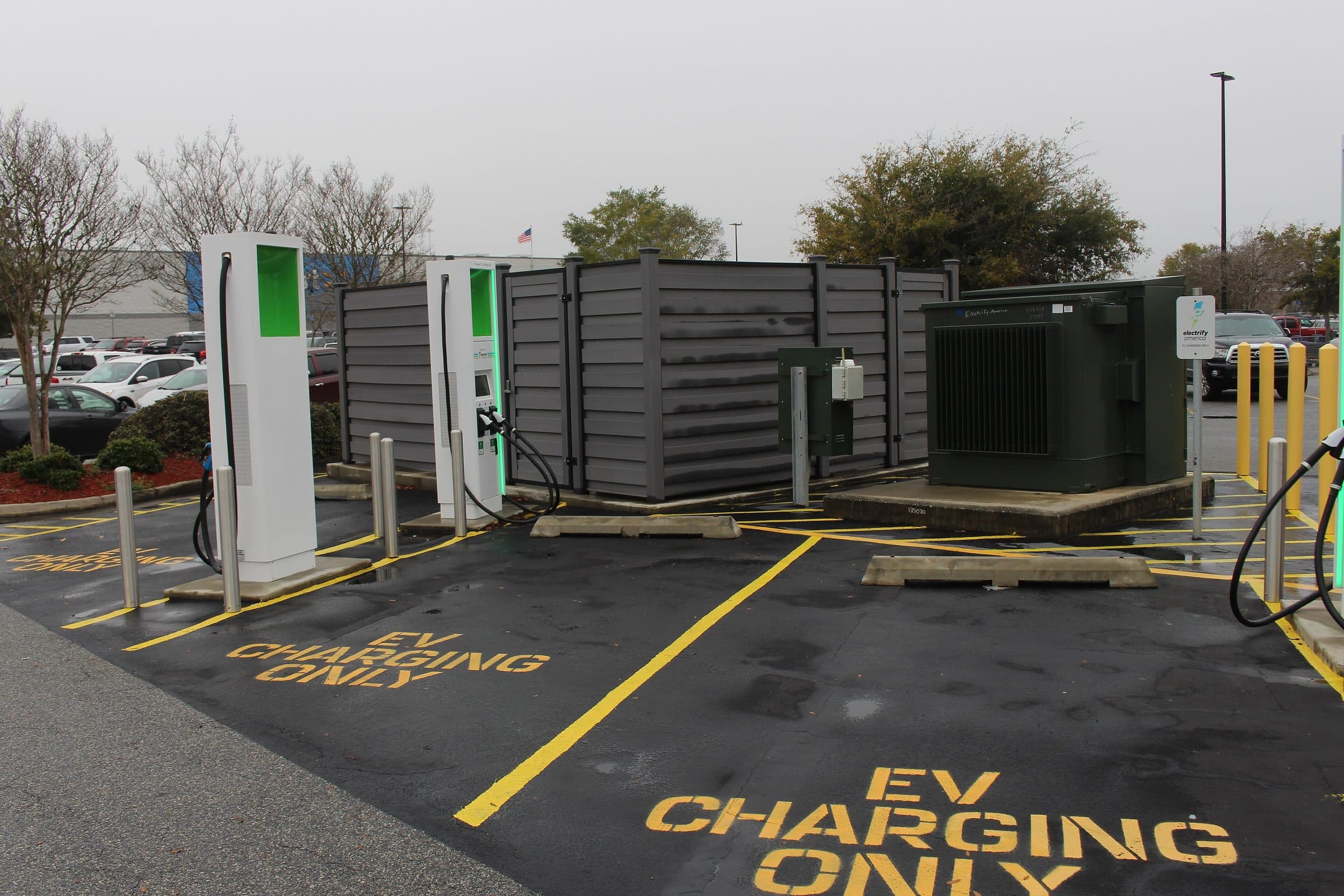
The EV vs gas road-trip question is rarely about which powertrain is morally better. It is about whether your next corridor has working chargers, whether your passengers tolerate stop patterns, and whether overnight plugs are real.
Asian American and Asian Canadian households planning multigenerational weekends — grandparents, car seats, airport handoffs — feel the tradeoff acutely. A quiet EV cabin can be wonderful until a dead stall in a small town turns dinner into a conference call.
Use this planner to decide first. Then open a corridor guide (LA–Vegas, Seattle–Portland, NYC–DC, Atlanta–Charlotte, Chicago–Michigan, Toronto–Montreal) and run the calculator with your numbers.
If the spreadsheet and the passenger list disagree, believe the passenger list — or rent the tool that fits one weekend instead of buying the wrong daily driver.
Distance and drive time
- When is an EV better than gas for a road trip?
EV wins on many I-5, I-95, and major Interstate corridors when apps show multiple working stalls and your real-world range covers gaps with margin.
Households with Level 2 at both ends (home and destination) often beat gas on energy cost even when charging stops add time.
- ·Run the EV vs gas road trip calculator with your miles, kWh rate, and fuel price — not a national average.
- ·If kids need fixed meal windows, map chargers next to food, not empty lots.
- When is gas still the better road-trip tool?
Gas still wins for last-minute mountain detours, weak rural networks, and trips where every adult refuses a 30-minute stop.
A hybrid often splits the difference for mixed weeks: electric commuting at home, gas flexibility on the corridor.
- ·Renting gas for one peak weekend can be cheaper than buying an oversized EV for four trips a year.
- ·See winter EV ownership if cold mornings are part of the plan.
- How much buffer should I add for EV charging stops?
Arrive with a plan B stall within a few miles. Dead single-stall towns break timelines faster than short range does.
Hotel overnight charging can erase a morning DC stop if the destination plug is real and reserved.
- ·Apps beat press releases: check PlugShare, network apps, and recent reviews the night before.
- ·Keep SOC targets conservative in mountains, headwinds, and winter.
- How do I compare total trip cost?
Use /calculators/ev-vs-gas-road-trip with your vehicle efficiency, electricity price mix (home vs public DC), and fuel price.
Public DC often costs more per mile than home charging; hotel or destination Level 2 changes the spreadsheet.
- ·Do not ignore idle fees and failed stalls — they are ownership costs on the road.
- ·Gas convenience has a price too: more stops can still be shorter wall-clock if lines are short.
Decision modules before you choose the car
Work these in order. A green brochure range does not override a red charger map.
1. Map the corridor charging reality
Open your network apps and plot DC stops at the distances your vehicle actually achieves in weather, not EPA labels alone.
Prefer corridors with redundant stalls. Single-stall towns are fine as backups, not as the only plan.
- Primary DC clusters every 100–150 miles. Mark two options at each cluster when possible. Holiday weekends need queue buffer.Recommended time: 15 minutes of planning before packing
- Overnight / hotel Level 2. Confirm the plug is reserved for your room or stall — photos in listings are not a guarantee.Recommended time: Call or message the property once
2. Fit the stop pattern to passengers
Kids and elders often need bathroom and meal breaks on a rhythm that can align with charging — if you choose sites next to food.
If every adult refuses a 25-minute stop, gas or hybrid is the honest tool for that trip.
- Meal + charge combos. Pair DC with a real restaurant or market stop so the wait is useful, not empty.Recommended time: 25–40 minutes typical DC + meal
- Hard deadline trips (weddings, flights). Add a full spare stop or choose gas/hybrid when the cost of lateness is high.Recommended time: Build 60+ minutes of buffer
3. Price energy and time together
Home-charged miles are usually cheap; public DC miles often are not. Mix matters.
Run the calculator, then decide if the time cost still fits. A cheaper EV trip that arrives angry is not a win.
- EV vs gas road trip calculator. Enter distance, efficiency, fuel price, and your home vs public electricity mix.Recommended time: 5–10 minutes
- Hybrid fallback check. If charging is fragile, a hybrid daily plus occasional rental can beat an EV bought only for road trips.Recommended time: Compare one weekend rental quote
4. Season and weather honesty
Winter range loss, mountain grades, and headwinds change SOC math. Summer cabin cooling in stopped traffic still draws energy.
See winter EV ownership and region hubs for salt, heat, and condo charging context before you promise a powertrain.
- Winter tire + SOC plan. Compound matters on ice regardless of powertrain; EVs need extra SOC margin in cold.Recommended time: Check forecast + tire status night before
- Heat and humidity corridors. Southern and Texas summer trips need strong climate control and charger shade when possible.Recommended time: Prefer mid-morning departures in peak heat
Pro Tips
Consider these extra good-to-knows to make the most of your trip.
Families with kids
- ·Align DC stops with meals and bathrooms so charging time is useful, not empty
- ·Hard deadlines (weddings, flights) need a spare stall plan or a gas/hybrid tool
- ·Pack snacks visible from the front seat — hangry passengers shorten patience for queues
Couples and friends
- ·Scenic corridors still need redundant chargers; beauty does not recharge the pack
- ·Hotel Level 2 turns Sunday checkout into a non-issue when the plug is real
- ·If nobody wants a 30-minute stop, rent gas for the weekend instead of forcing the household EV
Multigenerational weekends
- ·Elders need shade, bathrooms, and predictable arrival windows more than brochure range
- ·Assign one person to verify chargers the night before — do not debate at 12% SOC
- ·A quiet EV cabin helps until a dead stall turns dinner into a conference call
First EV road-trip experiment
- ·Pick a well-served Interstate corridor before remote mountains
- ·Leave near full and plan the first DC stop before emotional commitment
- ·Run the calculator with public DC rates if you will not sleep on a Level 2 plug
Practical details people forget
Apps beat press releases
- ·Check network apps and recent reviews the night before — NEVI announcements are not this weekend's stall
- ·Screenshot a Plan B charger within a few miles of each primary stop
Idle fees and failed sessions
- ·Move promptly when charged; idle fees add up on holiday weekends
- ·If a stall fails, leave and use Plan B instead of waiting on a reboot hope
Hybrid and rental exits
- ·A hybrid daily plus occasional rental can beat buying an EV only for four trips a year
- ·Compare one weekend rental quote before you stretch the household payment
Which car should you take?
Match the powertrain to the corridor and the passenger list — not to the loudest opinion at dinner.
| Trip personality | Bring (or rent) | Why |
|---|---|---|
| Well-served Interstate, overnight Level 2 | Efficient EV crossover or sedan | Distance and plugs cooperate; energy cost usually wins when home or hotel charging covers mornings |
| Fragile rural chargers or spontaneous detours | Gas or hybrid | Flexibility and short fuel stops beat brochure range when stalls are single and offline |
| Kids with fixed meal windows | EV with food-adjacent DC plan — or hybrid | Stops must be useful; empty-lot charging fights the calendar |
| Winter or mountain grades | Hybrid default or EV with large SOC margin | Cold and elevation punish optimistic range math |
Pick your version of the drive
This page is a decision framework, not a single corridor. Pick the trip type that matches your next weekend, then open the matching road-trip guide for stops and timing.
The EV-first corridor weekend
Choose a major Interstate with redundant DC clusters, leave near full, and book lodging with a confirmed overnight plug.
Best when passengers accept one planned charge stop and apps show green stalls.
- →Night-before app check — 10 min
- →Primary DC + meal — 25–40 min
- →Hotel Level 2 overnight
The hybrid or gas flexibility weekend
Use gas or hybrid when the route is remote, the deadline is hard, or every adult refuses a charging stop.
Still map fuel and rest stops — flexibility is not the same as zero planning.
- →Fuel + bathroom every 2–3 hours
- →Optional scenic detour without SOC anxiety
The mixed-fleet household plan
Keep an efficient daily (hybrid or EV) for commuting; rent the weekend tool that fits one trip.
Often cheaper than oversizing the owned car for four peak weekends a year.
- →Compare rental quote vs stretched payment
- →Open the matching corridor guide for timing
Stops worth knowing
Real places along the corridor. Hours change; always check before you detour.
Electrify America and major DC networks
Prefer sites with multiple stalls and food nearby. Verify in apps — not only on a brand map.
- →Redundancy matters
- →Holiday queues are real
- →Idle fees apply
Hotel and destination Level 2
A reserved plug erases a Sunday DC stop for many trips. Call to confirm the stall is real.
EV vs gas road trip calculator
Turn miles, fuel price, and home vs public electricity into a comparable trip cost.
EV reality on road trips (without the brochure)
Brochure range assumes mild weather, moderate speed, and a full pack. Real corridors add headwinds, mountains, cabin climate, and holiday queues.
Public DC often costs more per mile than home charging. If your trip depends on public energy, run the calculator with those rates — not your residential kWh price alone.
Hotel overnight charging is the quiet advantage. When the destination plug is confirmed, many one-night weekends need only a single midday DC stop — or none.
Winter and condo realities still filter ownership. Read winter EV ownership and condo charging guides before you promise an EV for every household trip.
Turn the plan into dollars
Compare energy cost and decide if the stop pattern still fits your passengers. Use your real miles and rates — not a national average.
The bottom line
Pick the powertrain that matches charger reality and passenger patience — then open a corridor guide for timing.
EV wins on well-served Interstates with overnight plugs. Gas or hybrid wins when stalls are fragile or deadlines are hard.
If the spreadsheet and the passenger list disagree, believe the passenger list — or rent for one weekend instead of buying the wrong daily driver.