
Mid-Autumn Road Trips for Fall Color, Timed by Corridor
Peak color moves south and downhill over about six weeks. Late September favors northern New England and high Rockies; mid-to-late October favors Skyline Drive, the Blue Ridge, and the Smokies. Book now and treat every window as plus or minus a week.
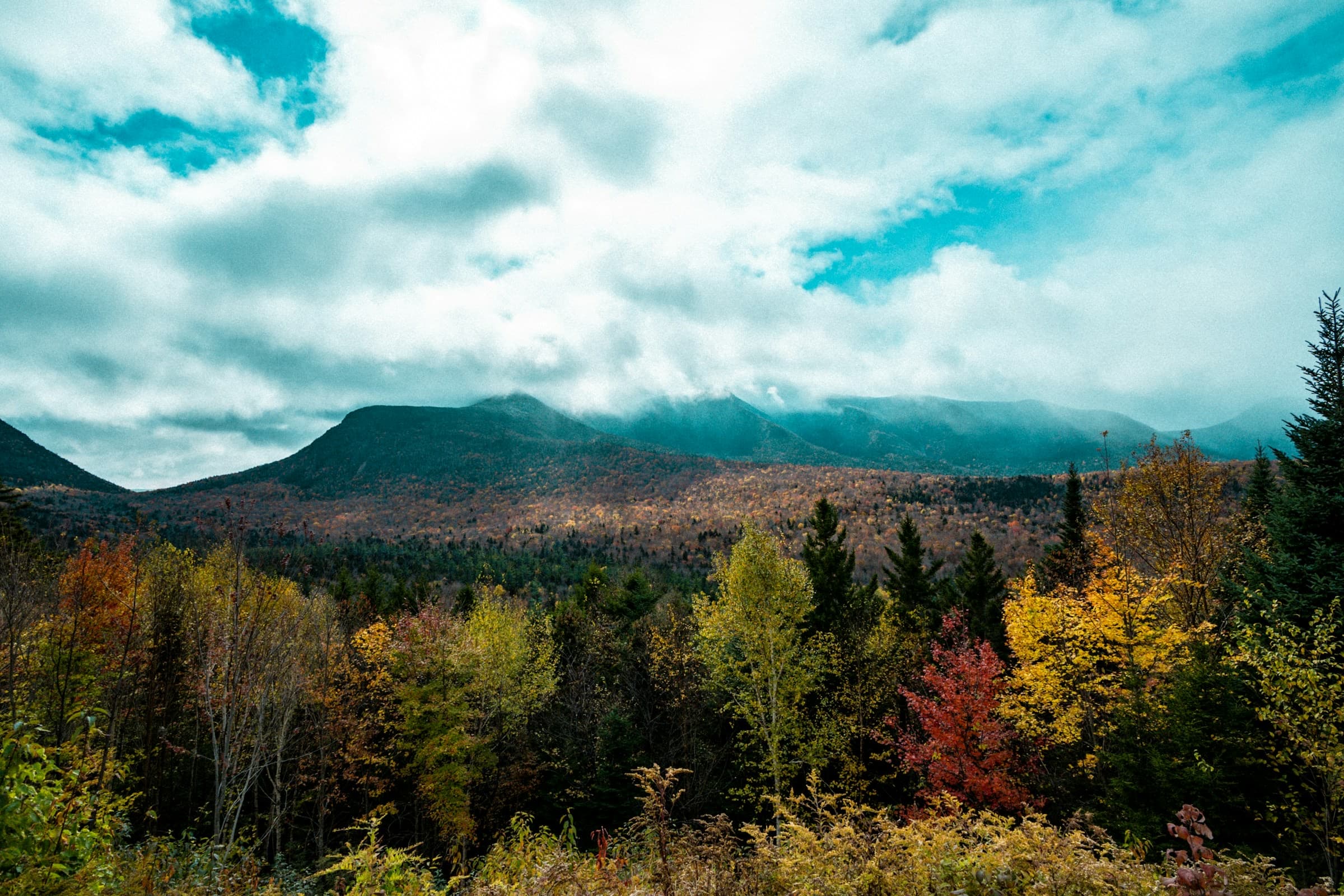
CONCORD, N.H. — The foliage calendar does not care about your long weekend. Color climbs down mountains and slides south for roughly six weeks, and mid-September is when you still have time to pick a corridor before peak-week lodging disappears.
Old Farmer’s Almanac timing for 2026 tracks the usual pattern: late September into early October up north and at elevation, then October and early November farther south. Weather still moves the needle by days. Match the destination to the dates you already have, not the other way around.
Start with New England if you can go soon. In New Hampshire’s White Mountains, the high hardwood slopes turn first in late September. The Kancamagus Highway corridor and the big notches usually look their best in the first two weeks of October, while Conway and Lincoln valleys trail into mid-month.
Vermont’s Northeast Kingdom and Route 100 spine follow a similar north-to-south roll from late September through early October. Weekdays beat the mid-October federal holiday weekend on those roads. Peak often overlaps that holiday, and pullouts fill early. Arrive at sunrise if you can, and keep a backup loop ready when the main overlook lot is full.
Mid-Atlantic color arrives next. Shenandoah’s Skyline Drive typically hits its strongest stretch around October 10 to 20 at ridge elevation, with lower slopes trailing later.
The Blue Ridge Parkway has no single peak day across nearly 470 miles and more than 5,000 feet of elevation change. High ridges turn earlier; mid-elevation overlooks often look best in mid-to-late October. Check National Park Service closure notices before you commit to a long parkway day.
Farther south, the Great Smoky Mountains stretch the season. High ridges and Newfound Gap usually peak in mid-October. Cades Cove and lower valleys often wait until late October into early November. If color is thin in the valley, drive higher the same afternoon.
Midwest households can stay closer to home. Michigan’s Upper Peninsula and Tunnel of Trees stretch turn in late September into early October. Southern Michigan and the lakeshore towns land later. Pair a color weekend with our Chicago to Michigan lake towns guide if you want shoreline stops and foliage on one trip.
Out west, watch the aspens. Colorado’s high country often peaks from mid-September through mid-October, with Maroon Bells and the Million Dollar Highway among the classic loops. Elevation matters more than the calendar there. A ridge and a valley an hour apart can sit almost two weeks apart in color.
Cross-border planners have parallel windows. Algonquin’s sugar-maple average peak sits around September 27, with a historical range from mid-September into early October. Nova Scotia’s Cabot Trail usually looks strongest from late September through mid-October. Check provincial color reports the week you leave.
Bring an early start, flexible lodging cancellation, and a fuel or charge plan for mountain roads. A famous overlook is less useful than an open parking space.
For EV households, run the EV versus gas road-trip calculator and the EV road-trip planner before you lock dates. East Coast drivers stacking foliage with a city weekend can lean on our New York to Washington, D.C. corridor guide.