
Senate Moves to Fast-Track a Permanent Ban on Chinese Vehicles
Slotkin and Moreno want unanimous Senate consent this week as Trump hosts Xi. The bill would write the existing connected-vehicle ban into law. One objection can stop it.
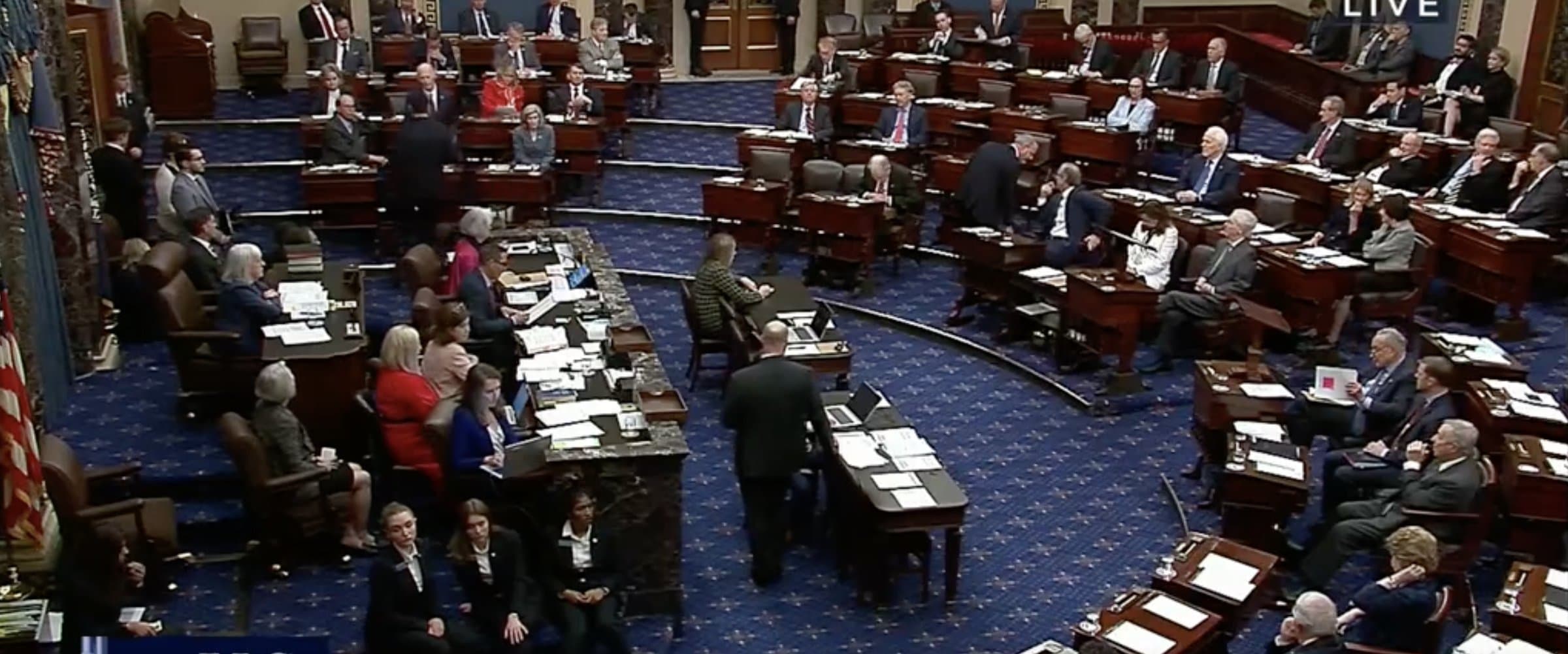
WASHINGTON — The Senate is trying to lock in a permanent ban on Chinese vehicles this week, while President Donald Trump hosts China's Xi Jinping in Washington.
The bill is the Connected Vehicle Security Act of 2026. Sen. Elissa Slotkin, a Michigan Democrat, and Sen. Bernie Moreno, an Ohio Republican, wrote it. Slotkin said Wednesday they want the chamber to pass it by unanimous consent.
"Whether you are a Democrat or Republican, no one wants Chinese cars in America," she said at a Capitol Hill press conference.
A notice sent to Democratic Senate offices said Moreno planned to seek that consent this week. Reuters counted 51 Senate supporters. A House companion now has more than 100 cosponsors.
A congressional aide said a couple of Republican senators have already raised concerns, and it is not yet clear they will object. One objection kills unanimous consent.
The Senate Commerce Committee advanced the bill unanimously on July 22. Slotkin also appeared Wednesday with Senate Democratic Leader Chuck Schumer and put Chinese vehicles at the top of her list for the Trump-Xi meeting.
The bill would write a Commerce Department rule into statute. That January 2025 rule, from the Bureau of Industry and Security, already bars Chinese automakers from selling or building passenger vehicles in the United States. The stated reason is data: Bluetooth, Wi-Fi, cellular, and some satellite systems that can collect information on drivers.
On the bill's timeline, vehicle and software restrictions start January 1, 2027. Hardware restrictions start in 2030.
A manufacturer more than 15 percent owned by a Chinese entity would be treated as covered, even if the plant is in the United States. The United States already charges more than 100 percent tariffs on Chinese electric vehicles.
That ownership test is why Detroit is watching Trump. On September 11 he told Fox News he would be "okay" with a Chinese company opening a U.S. plant if it hired American workers, the way Japanese brands already do.
Slotkin said allowing that would mark "the beginning of the end of auto manufacturing in the United States." The DOT letter to Ford over its China deals already asked that question.
Writing the ban into law would stop a president from simply waiving Chinese vehicles into showrooms. The introduced text still lets the Commerce Department authorize specific items after a written risk assessment and 60 days' notice to Congress.
China has opposed making the ban permanent. Last week the Alliance for Automotive Innovation, with dealer and supplier groups, wrote Trump asking him to keep the door shut to Chinese companies that want to sell, import, or manufacture here.
Ottawa already runs a limited quota for Chinese-built EVs at a 6.1 percent tariff. That does not change a U.S. lot this week.
If you're shopping now, keep pricing the cars you can actually buy. Watch the Senate floor, then the House. Our earlier note on Chinese EVs and the U.S. market is the backdrop.