DOT Criticizes Ford Over Its China Deals
Transportation Secretary Sean Duffy told Ford CEO Jim Farley the company’s China ties are troubling, citing CATL battery tech in Michigan, a Geely venture in Spain, and Lincoln production still planned in China into 2030. Ford called the letter a headline grab and said it contains factual errors.
DETROIT — Washington just took aim at the company that sells itself as America’s most American automaker.
On September 8, the Transportation Department posted a letter from Secretary Sean Duffy to Ford CEO Jim Farley. Duffy said Ford’s recent moves paint “a troubling picture of a foundational American brand actively intertwining its future with Chinese state-backed enterprises.” Ford answered the same day, calling the letter a “wrongheaded attempt to capture headlines” and saying it contains factual errors.
The real argument sits underneath the letterhead. Can Detroit license Chinese battery and partnership know-how to stay competitive while asking Washington to keep Chinese carmakers out of U.S. showrooms?
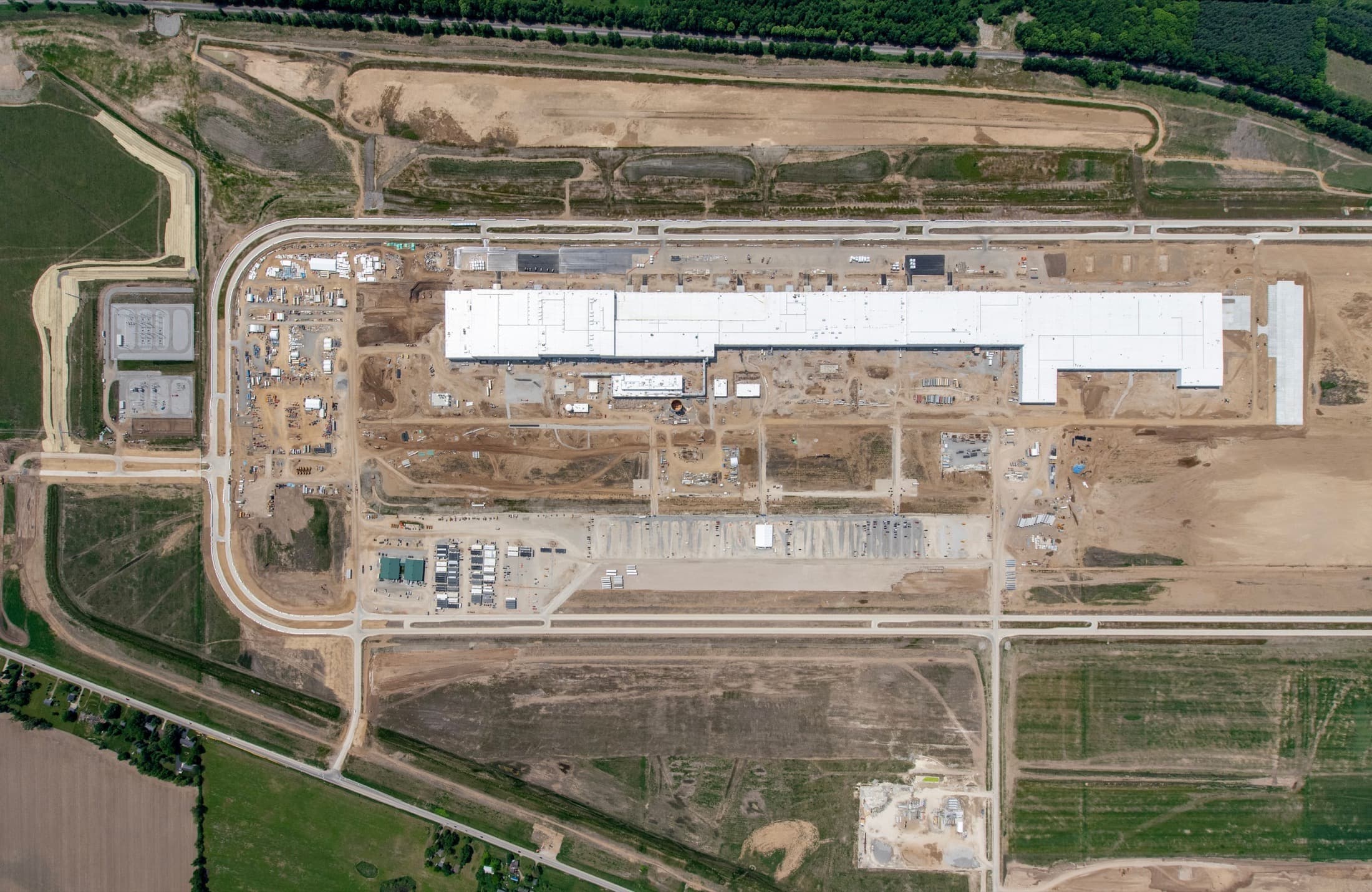
Duffy’s list starts in Marshall, Michigan. Ford’s BlueOval Battery Park uses licensed technology from Contemporary Amperex Technology, better known as CATL, to make lithium iron phosphate cells in a plant Ford owns and staffs. The company says the deal is a limited technology-licensing and services agreement, not a joint venture or a foreign-owned factory. Ford has said the site is built to support about 1,700 jobs as it ramps.
Duffy said the department remains “deeply alarmed” by that CATL license and argued it challenges the spirit of U.S. supply-chain independence policy. The letter also cites Ford’s July partnership with Geely in Spain, reported talks with BYD over hybrid components, and Lincoln models still scheduled to leave Chinese production only by 2030.
Duffy further claimed Farley floated a framework at the Detroit Auto Show to facilitate Chinese joint ventures on U.S. soil. Ford denies proposing any such framework.
Farley has spent years warning that Chinese automakers could undercut the U.S. industry. Ford has lobbied to limit their access here. That is why the House Select Committee on China followed Duffy with a post framing the split as what Ford says versus what it does.
The administration’s own signals do not line up. Commerce Secretary Howard Lutnick recently praised Ford’s plan to bring some Lincoln production back to the United States. Duffy used that same 2030 timeline as a complaint.
The White House also called Ford a great American company investing in U.S. production even as the Transportation letter landed. A Ford spokesman told Reuters the letter came out of left field after what the company saw as a productive dialogue.
For shoppers, the useful move is quieter than the press release. Read the window sticker’s parts-content block on any vehicle you are considering. Final assembly country and foreign-parts share are federal labels, not marketing. Cells made under a U.S. license in a Ford-owned Michigan plant are one story. A Lincoln assembled in China is another if you ever need body or electronics parts under tariffs.
Europe already shows how fast Chinese brands can take share when trade rules and hybrid mix allow it; see our note on Chinese brands in Europe. For the ownership side of electrified trucks and hybrids Ford is pushing next, start with the hybrid versus EV monthly calculator and the hybrid comeback guide.
DOT cannot rewrite Ford’s supplier contracts with a letter. It can make the contradiction public. Farley’s problem is that both halves of the argument are true: Chinese competition is real, and so is Detroit’s need for the technology that competition already scaled.