
Chinese EVs May Reach U.S. Showrooms Within a Few Years, CNBC Reports
Despite tariffs and political opposition, analysts and industry sources tell CNBC Chinese electric vehicles could enter the U.S. market through joint ventures, North American assembly, or cross-border pressure from Canada and Mexico.
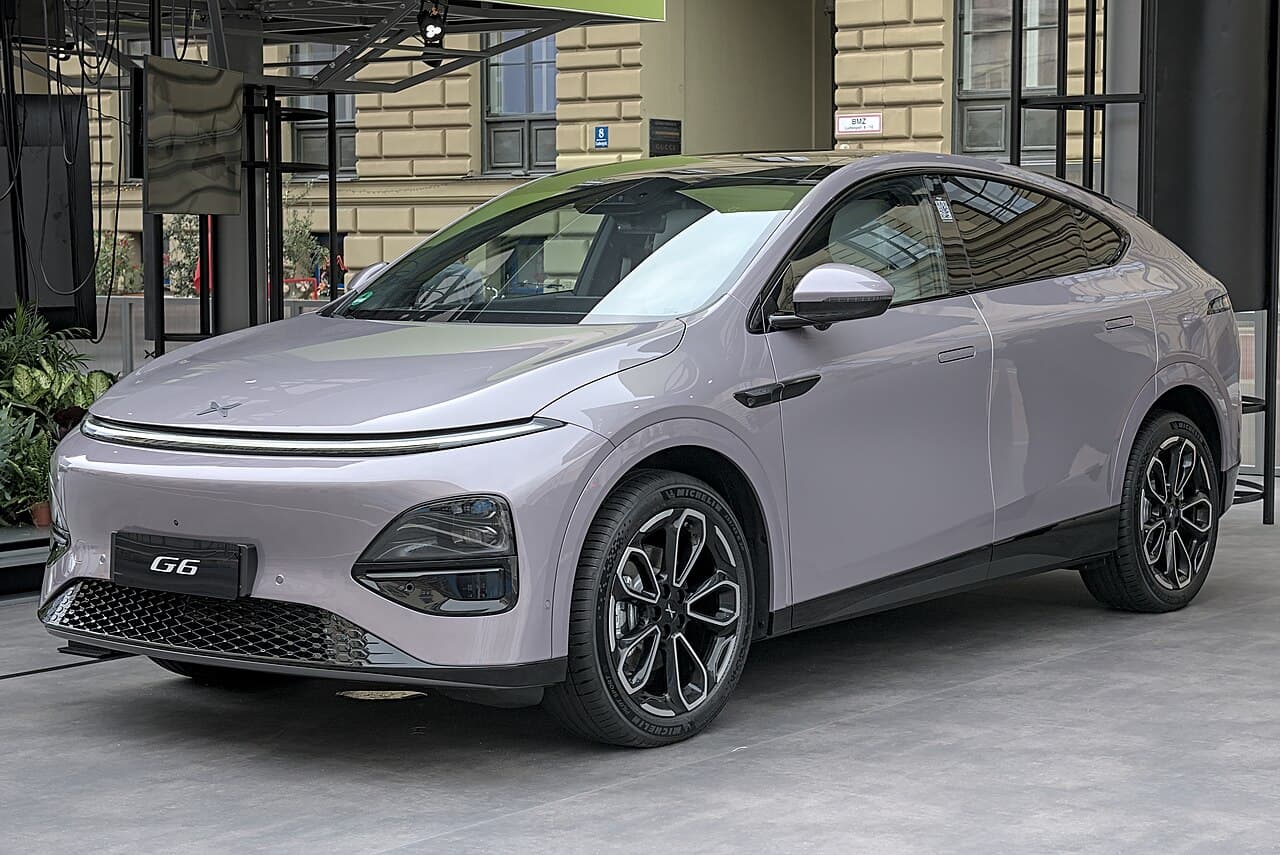
CNBC reported on June 6, 2026 that despite crippling tariffs, regulatory restrictions, and opposition from lawmakers and Detroit automakers, there is a growing possibility Chinese electric vehicles will be sold in the United States within the next few years.
China has expanded EV exports across Europe, the U.K., Asia, and Australia, and the U.S. remains the major market Chinese brands have not yet penetrated at scale. Direct imports face cumulative tariff rates reported at 125% for Chinese EVs, while vehicles assembled in Mexico or Canada can enter under USMCA rules with a 25% tariff if they meet regional content requirements.
Canada opened a path for up to 49,000 Chinese-built EVs annually at a 6.1% tariff under Prime Minister Mark Carney's January 2026 framework. Mexico imposed a 50% tariff on Chinese vehicles earlier in 2026, though Chinese brands still account for about a quarter of sales there.
Industry sources cited in the piece include Ford reportedly exploring ties with Geely, GM using CATL battery cells in the Chevy Bolt EV assembled in Kansas, and Stellantis holding a 21% stake in Leapmotor with a majority-owned joint venture. Volvo, owned by Geely, received U.S. approval to continue selling vehicles using Chinese-developed software after rules took effect in March 2026.
A Kelley Blue Book study cited in the report found 38% of Americans would consider buying a Chinese vehicle if they had the choice. Consultants including Michael Dunne and Tu Le told CNBC some form of Chinese-branded cars could appear on American roads by 2030, potentially through partnerships with Ford or GM rather than direct imports alone.
This is the policy story Asian North American EV shoppers have been watching from both sides of the border.
If you live in Metro Vancouver or Toronto, affordable Chinese EVs are already a live shopping conversation.
If you live in California or Texas, the same cars are mostly headlines and cross-border curiosity.
CNBC's framing matters because it is not hype about cheap imports tomorrow.
It is about joint ventures, North American assembly, and the pressure that builds when Canada gets quota access and Mexico already sells Chinese brands in volume.
For households comparing a Tesla, Ioniq 5, or RAV4 Prime, the practical question is not whether BYD is morally acceptable.
It is whether your market will even offer the choice, and at what tariff-adjusted price.
The 38% curiosity number from Kelley Blue Book is the detail dealers will remember.
Restrictions may hold for years, but consumer interest is already on the table.
If you are buying now, none of this changes today's lot.
If you are waiting for more affordable EV volume, this is why Canada and Mexico matter to American shoppers even when Washington keeps the door mostly shut.