
GM Opens Vehicle-to-Grid Charging to Utility Partners
GM Energy now supports vehicle-to-grid in addition to vehicle-to-home, with PG&E and DTE Energy as launch partners and a target of 52,000 GM EVs supporting Northern California's grid by 2030.
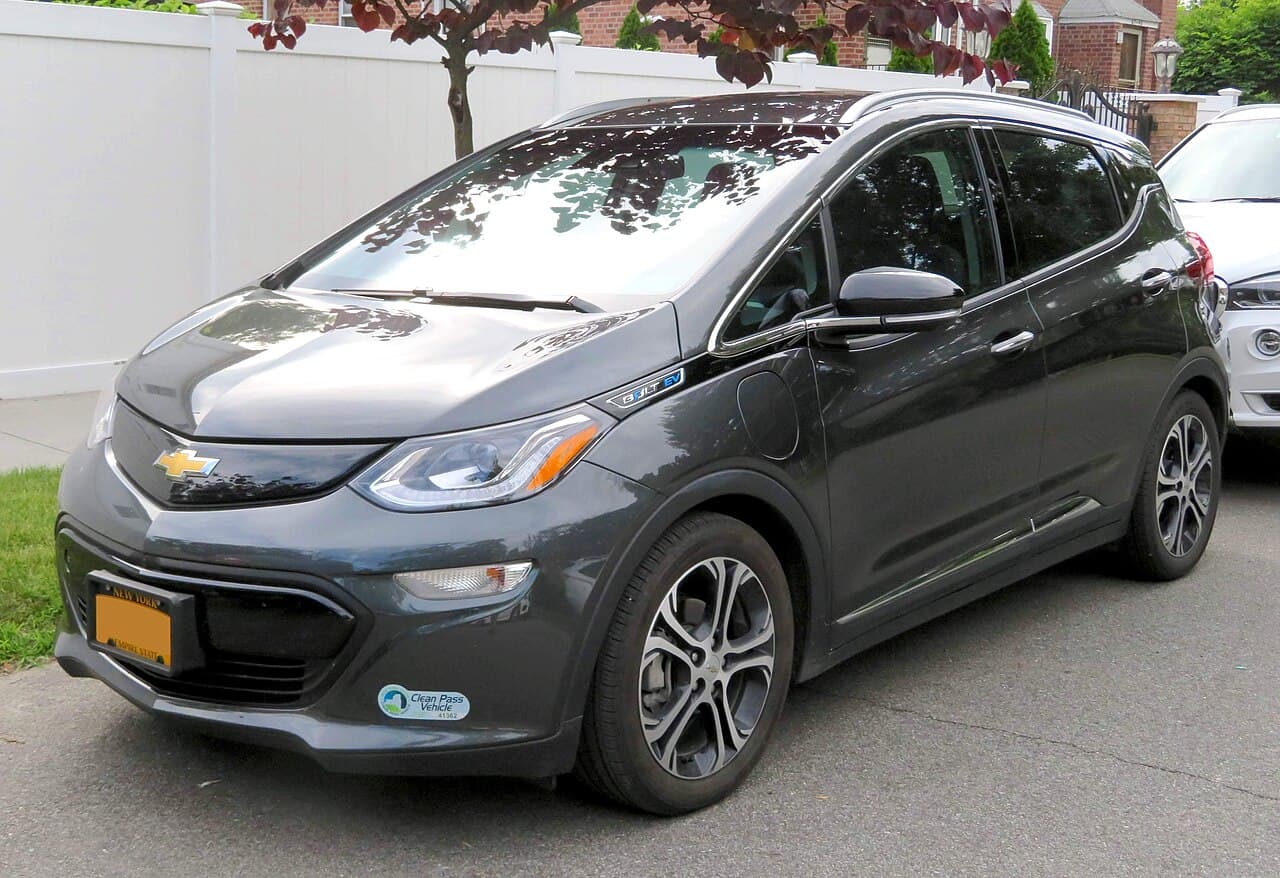
General Motors held an energy briefing in San Francisco this week, and the headline was not another charging app update. GM Energy now supports vehicle-to-grid capability alongside the vehicle-to-home features it already sells, with Pacific Gas and Electric in California and DTE Energy in Michigan named as launch utility partners.
This is huge, not just for EV integration, but also for GM's long term investment in presence along the Coasts, particularly California which was not a historical focus for the brands.
More than 250,000 GM electric vehicles on U.S. roads already support bidirectional charging. GM and PG&E said they are targeting 52,000 GM EVs in PG&E's service area participating in grid-balancing by 2030, enough stored energy to power every home in San Francisco for half a day according to the companies.
GM Energy Vice President Wade Sheffer told reporters the focus is reducing friction after pilots showed paperwork and confusing rates slowed adoption. The same event covered sodium-ion grid storage with Peak Energy and second-life battery packs with Redwood Materials at a Michigan facility.
For Bay Area households already juggling PG&E time-of-use rates, the question is practical: does your parked Lyriq or Blazer EV become a line item on the household spreadsheet in a new column?
Utility-backed V2G is the first answer that sounds like infrastructure instead of ideology when relatives in Fremont or Sacramento ask why you bought an EV. It also tells you none of this pays your household tomorrow. Interconnection rules, pilot enrollment, and rate schedules still sit between announcement and check.
Condo and apartment owners should pay attention to the landlord line immediately. Bidirectional charging requires a capable home charger you control. V2G is for driveways, deeded stalls, or employers willing to participate. That describes many suburban households while excluding many urban ones.
There is also a trust layer many immigrant parents understand without reading a grid white paper. An EV is tolerable when it behaves like a reliable appliance. Selling power back to the utility adds a new failure mode: what if the program glitches during a heat wave? What if enrollment pauses the week you counted on selling power during a price spike?
Pair this with our GM Energy Pass note from June 11. One reduces charging friction on the road. The other asks whether your driveway becomes a mini power plant. Run the EV versus gas road trip calculator on routes you actually drive before you let V2G incentives rewrite the payment math.
The upside is real even if the check is not immediate. GM is signaling that California grid partnerships are part of its long-term EV story, not a one-year press cycle. For driveway owners who already make time-of-use math work, watching pilot enrollment is smarter than dismissing V2G as utility fantasy. When the paperwork finally thins out, the households that understood the rules early will be the ones ready to participate.