
Nearly Six in Ten Canadians Are Open to a Chinese Car. Safety Has to Match.
In a Leger survey for CarGurus, 59 percent of Canadian adults said they would be comfortable buying a Chinese-brand vehicle if it met the same safety standards as other cars sold in Canada. Quebec and younger adults were more open. The cars on the ground are still mostly familiar badges.
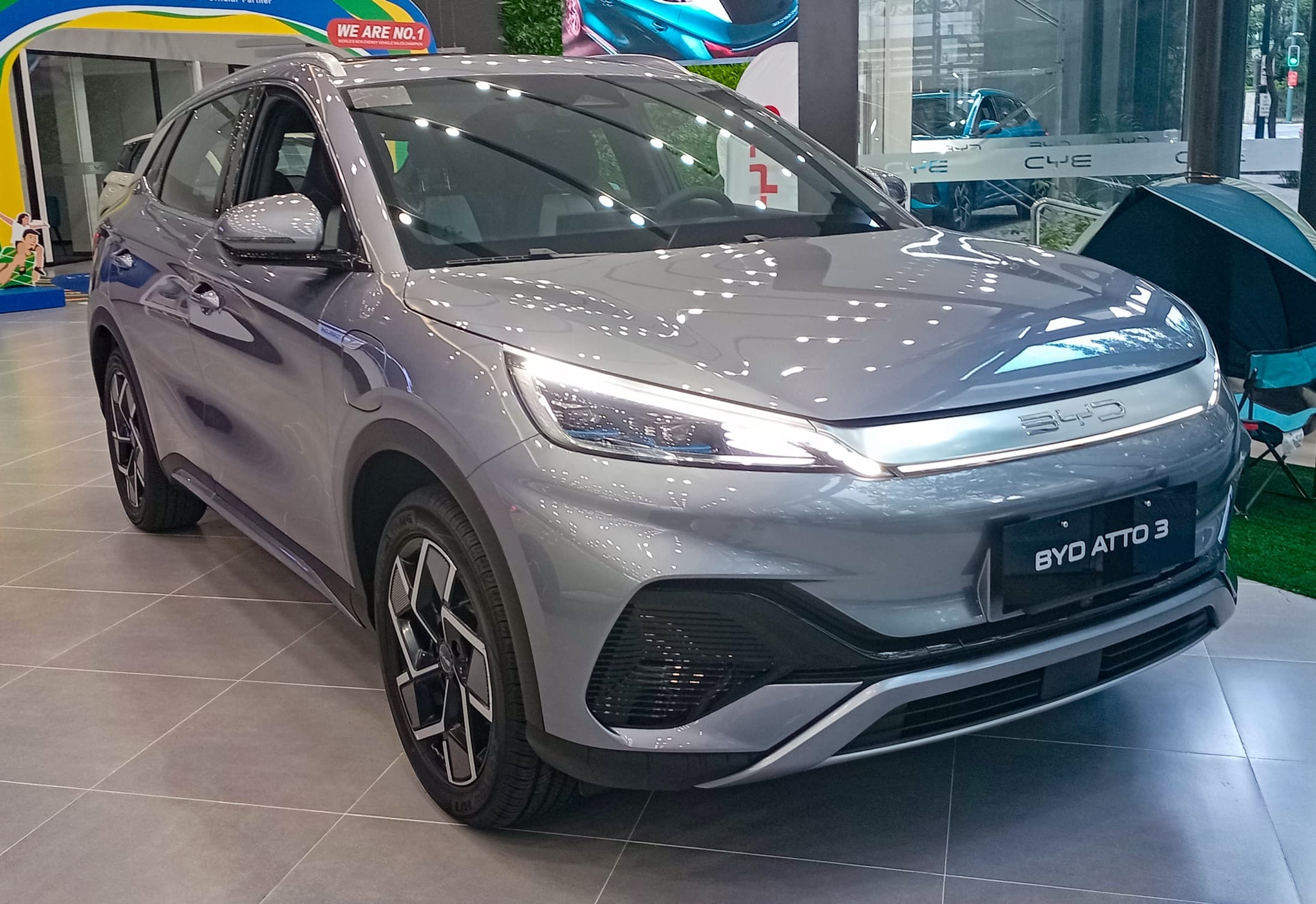
TORONTO — A majority of Canadians say they would be comfortable buying a Chinese-brand car, if it met the same safety standards as the other cars sold in the country.
CarGurus asked Leger to survey 1,538 adults from September 4 to 7, and published the results on October 6. Fifty-nine percent said they would be comfortable buying a Chinese-brand vehicle if those safety standards matched. Among people 18 to 34, the figure is 69 percent. In Quebec it is 67 percent. In the rest of Canada, 56 percent.
Ontario and British Columbia sit in that 56 percent. A household in Markham, Richmond Hill, or Surrey was not polled on its own. The national split is the closest the survey gets, and it is lower than the Quebec number people will quote.
Price is doing more work than curiosity. Eighty percent said automakers should make vehicles more affordable before they add more technology. Over the next five to ten years, 43 percent wanted better fuel economy, 40 percent wanted cheaper cars, and 39 percent wanted vehicles that last. The report, citing Statistics Canada, notes gasoline was up 22.8 percent year over year in August.
David Undercoffler, head of consumer insights at CarGurus, said Chinese automakers bringing electric cars here could compete for those shoppers if they deliver on price, reliability, and safety.
A comfortable answer is not a purchase. Clarify Group asked a different group, 2,007 people who had bought or leased a new vehicle in the past five years, between June 23 and July 10. Thirty-eight percent would consider a Chinese brand next time. Forty-eight percent could not name one. CarGurus offered a safe car in the abstract. Clarify asked for a badge.
The metal in Canada is still a short list. Chinese-built cars already wear Tesla, Volvo, and Polestar badges. The Lotus Eletre that arrived under the quota in July was listed from about C$119,900, a luxury SUV, not a bargain hatchback. Writing on October 6, CarGurus said Chery was road-testing Jaecoo and Omoda and claiming sales later this year, while BYD had started compliance work to import two cars. Britain's September bestseller was a Jaecoo. As of that writing, the Canadian version was still a test car.
On the same CarGurus list of trade-offs, 23 percent would pay more for a car they expect to repair less often. Ten percent would pay more for one made or assembled in Canada. Reliability drew more people than a Canadian factory.
South of the border, Cox found 38 percent of Americans planning to buy within two years would cross-shop a Chinese brand. Those brands are still off U.S. lots. Canada already has a quota, and the inexpensive car in this survey is the one that has not shown up yet.
For Asian Canadian households, the safety line is the one that can get through dinner. After that come the warranty, winter tires, and whether a dealer in the suburb can take the car on a Tuesday.
The survey records permission. The driveway still needs a service department.