
Americans Actually Want Chinese EVs. Here's Why That Could Be a Problem
A Cox survey found 38 percent of shoppers would cross-shop a Chinese brand. Gas is up. The cheap EV they want is the one Washington will not let in, and Detroit has pulled back.
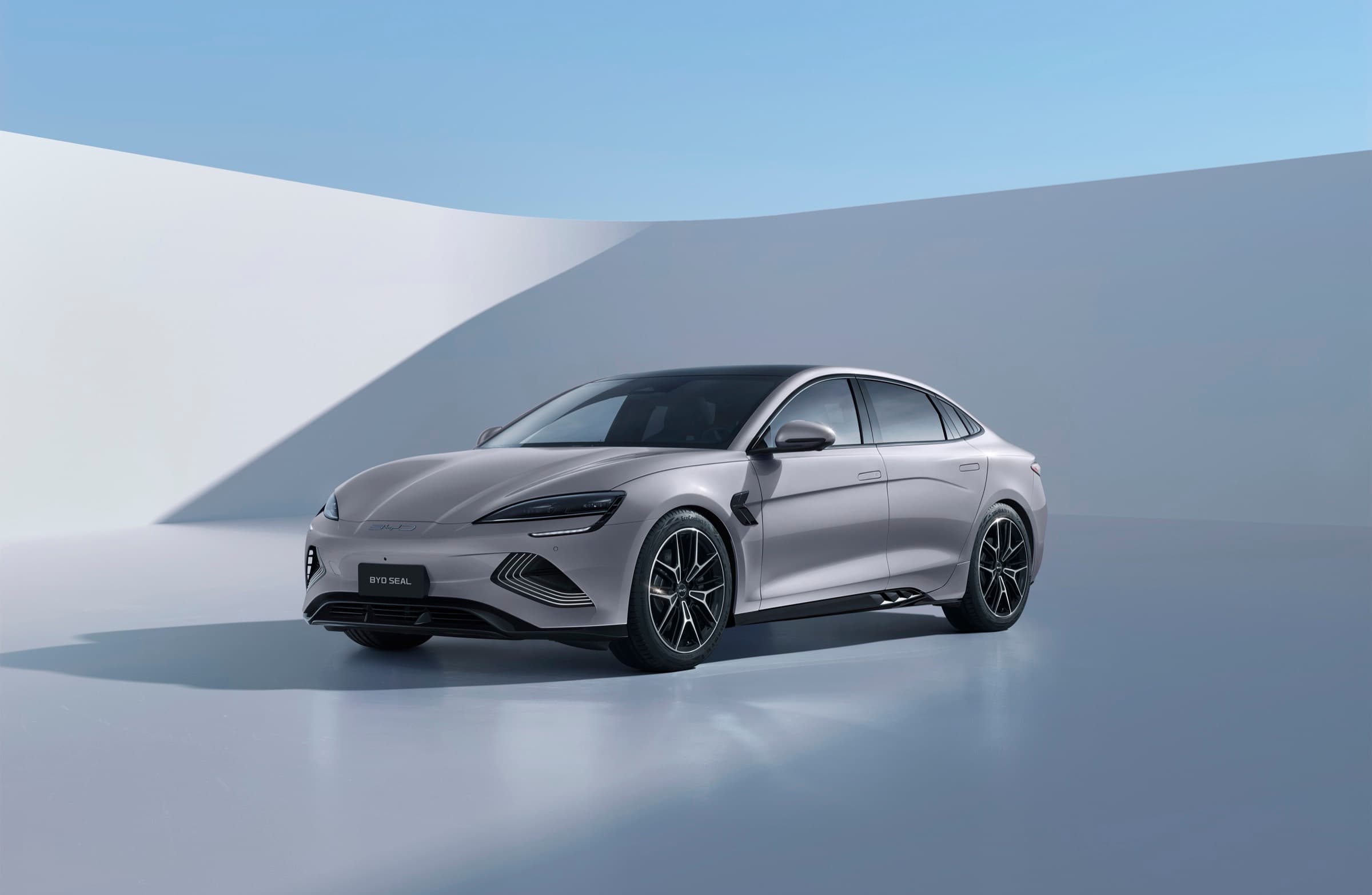
DETROIT — Americans say they would shop a Chinese car if they could get one. They're looking at price.
Cox Automotive asked 802 people who plan to buy a vehicle in the next two years. Thirty-eight percent said they would be extremely or very likely to cross-shop a Chinese brand. Almost the same share said they would not.
Forty-nine percent of the people Cox asked rated Chinese brands excellent or very good on value. Forty percent support letting the brands into the U.S. market. Fifteen percent of dealers do.
The cars they have in mind are already cheap overseas. BYD, the Shenzhen automaker that has outsold Tesla in Europe, sells a compact hatch there, the Dolphin Surf, from about $26,000. The average new EV in the United States transacted at $54,813 in August.
Gas is making that gap harder to ignore. AAA had regular at $4.44 a gallon in mid-September, more than a dollar above a year earlier. The Labor Department said gasoline was up 27.4 percent over the 12 months ending in August.
U.S. EV sales rose more than 14 percent from the first quarter to the second as pump prices climbed. People are hunting for a cheaper commute. They aren't finding one on a domestic lot.
Congress and President Donald Trump killed the $7,500 federal EV tax credit on September 30, 2025. Sales then fell nearly 24 percent in the first half of 2026 from the same stretch a year earlier, when the credit was still on.
The credit itself dated to the Bush years. The factory boom came later, when battery plants and assembly lines were actually getting built. Ford has since taken a $19.5 billion charge and walked back its next wave of EVs. GM booked a $6 billion writedown. Honda canceled three electric models it had planned to build here.
The Senate spent this week trying to lock in a permanent ban on Chinese vehicles. The security argument is real. It does not put a $26,000 EV on a U.S. lot.
Pull the credit that took $7,500 off a $55,000 sticker, and keep the cheap imports out, and you don't get a domestic boom. You get households that still have to get to work.
Direct imports still face duties above 100 percent, as we laid out in our earlier note on Chinese EVs and the U.S. market. Ottawa's limited quota at 6.1 percent fills a Canadian lot, not an American one.
If we won't let the cheap cars in, we have to build them. Until then, the survey is a warning.
If you're buying now, run the car affordability calculator on the cars you can actually get. The hybrid premium explainer is the other check while the cheap EV stays offshore.
Watch the Senate. Then watch who actually builds a car this country can afford.