Nevada Cleared 7,000 Robotaxis for Las Vegas. Only One Company Is Charging Fares.
The Nevada Transportation Authority unanimously approved fleet ceilings of 5,000 Tesla robotaxis and 1,000 each for Waymo and Uber subsidiary Aviari in Clark County. Amazon-owned Zoox is still the only operator charging fares on the Strip, and nobody works the airport curb until Clark County aviation officials sign off.
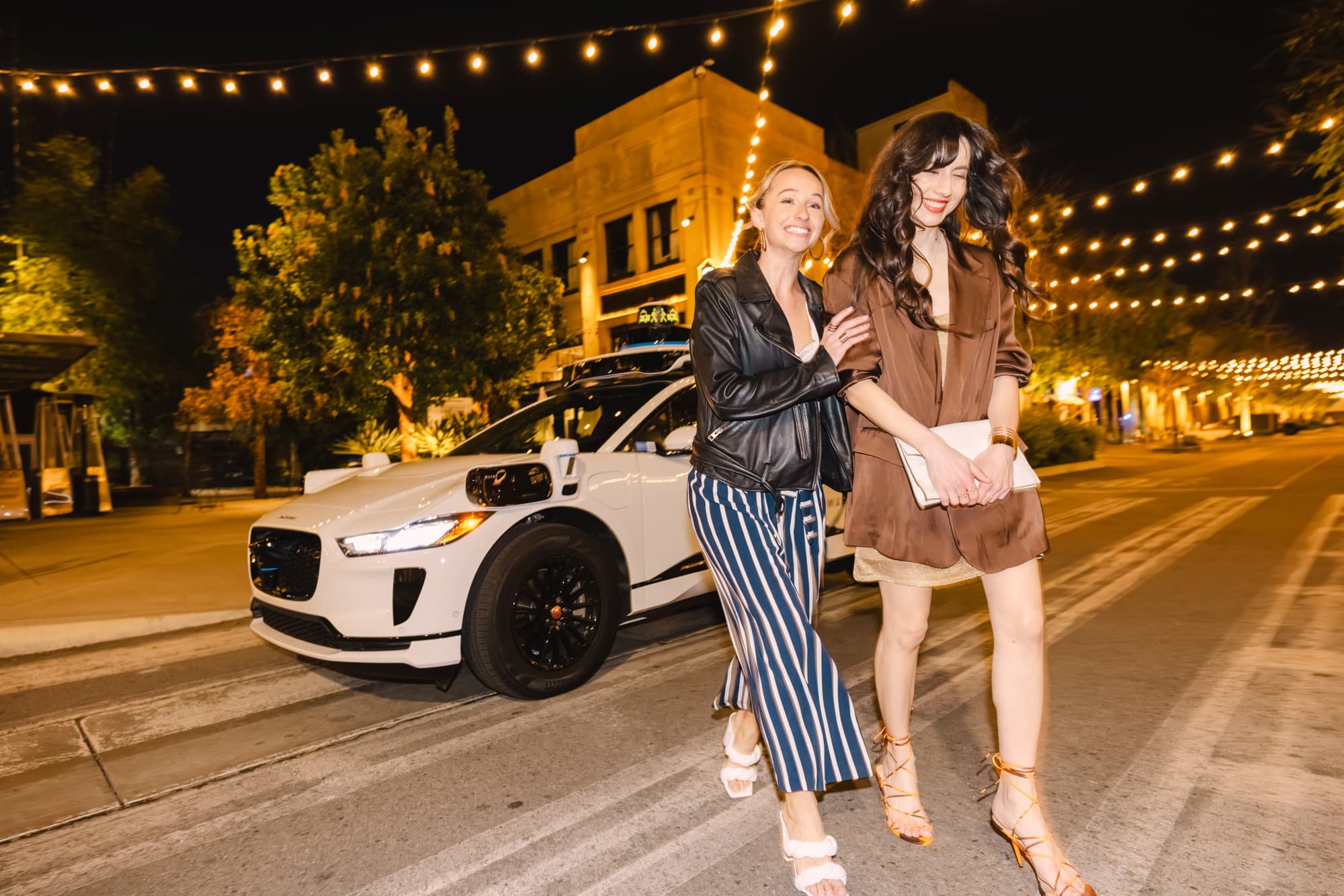
LAS VEGAS — Drive I-15 into Las Vegas on a Friday and you already know what the resort corridor does with traffic. On Thursday, Nevada regulators cleared room for thousands more cars on those streets, most of them with nobody in the driver’s seat.
The Nevada Transportation Authority voted unanimously to approve autonomous vehicle network permits for three companies in Clark County. Tesla Robotaxi, LLC may run up to 5,000 fully autonomous vehicles in its first 12 months. Waymo LLC and Aviari Services, LLC, an Uber subsidiary, are capped at 1,000 each over the same window.
On paper that is 7,000 cars. It is a ceiling, not a delivery schedule.
Before anyone collects a fare, each company has to clear vehicle inspections, file insurance, and satisfy the rest of the authority’s conditions. Service has to begin within 120 days of a permit being issued.
Harry Reid International Airport sits inside the approved map, but no operator can pick up or drop off there without separate authorization from the Clark County Department of Aviation.
That detail decides whether any of this touches your trip. Airport curbs are where ride-hail demand spikes and where waits get ugly. If you make the I-15 run from Los Angeles instead of flying, these cars mostly show up as more traffic on Las Vegas Boulevard.
Tesla’s own engineer talked the number down at the hearing. Eric Early, chief engineer on the Cybercab program, told commissioners that 5,000 has always been a ceiling and that he does not expect to deploy anywhere near it by this time next year. He was explicit that the constraint is not the technology, and said the company would be satisfied getting to roughly 2,500.
The distance between a permit and a working fleet is physical. Tesla is spending $3.1 million to retrofit a 37,000-square-foot building in the southwest valley with six car lifts and eight Superchargers. Driverless cars still need somewhere to charge, get cleaned, and sit overnight.
Tesla already runs robotaxi service in Austin, Dallas, Houston, and the Bay Area, and its gold, clearly marked Nevada cars have been circling the valley for months. It has yet to carry a paying passenger in the state.
Waymo arrives with more commercial mileage, running paid Jaguar I-PACE service in Phoenix, Los Angeles, and the Bay Area. Uber’s permit is the network layer over somebody else’s hardware, including Motional, the Hyundai-owned developer testing downtown and around the Town Square shopping district.
The one company already billing riders is Amazon-owned Zoox, which began charging on the Strip on August 10 under a 100-vehicle cap. Its pods have no steering wheel or pedals, which took a federal exemption to sell rides in at all.
Early pricing is not a bargain. On launch day, six drop-offs from the Excalibur averaged $22.62 on Zoox against $14.44 on Lyft in a Review-Journal comparison, before tip, with surcharges at high-demand stops like the Sphere.
Taxi and livery operators fought the permits. Kimberly Maxson-Rushton, a lawyer for the Livery Operators Association, told commissioners the approvals risk oversaturating Clark County’s for-hire market and crowding the Golden Triangle, the zone between the airport and Las Vegas Boulevard where most autonomous testing has happened.
Uber used its hearing time to argue for hybrid networks, where robotaxis and human drivers share one app so a city can add driverless capacity at peak rather than all at once. That stance also hedges Uber’s position if its partners stay behind Tesla and Waymo.
Federal scrutiny has not paused for any of this. NHTSA’s July letter to autonomous developers described driverless cars blocking ambulances and drifting into active emergency scenes as a documented pattern. Our first-responder note and the Cybercab EPA filing cover where those rules stand.
For now the only driverless bill in Las Vegas comes from Zoox, and it runs higher than a Lyft. The permits say 7,000. Watch the curb at Harry Reid to find out what that number is actually worth.