
Mitsubishi and Nissan Plan EV-to-Grid Power Trading by 2030
Two Japanese automakers want EV owners to charge cheap and sell power back to the grid when rates spike, with services targeted around 2030.
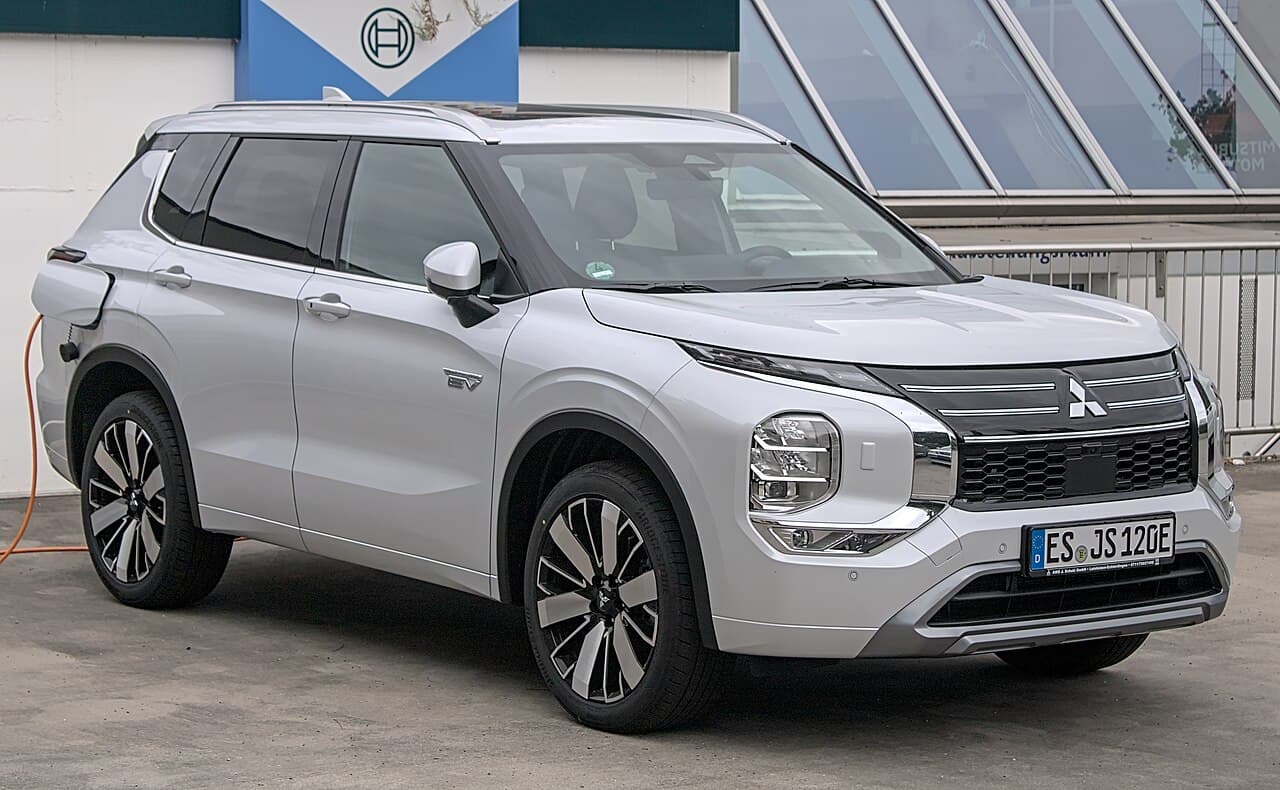
Mitsubishi Motors and Nissan Motor are jointly developing vehicle-to-grid power trading services that Nikkei Asia reports could launch as soon as 2030. The planned system would let EV owners charge their batteries when electricity rates are low and sell surplus stored energy back to the grid when peak pricing kicks in.
The concept treats an electrified vehicle's battery as a flexible energy asset rather than a one-way cost center. Mitsubishi has already started a demonstration project connecting electrified vehicles to the power grid to test the technical and commercial feasibility of the model.
Nissan brings its long history of EV production to the partnership, while Mitsubishi contributes its own electrification roadmap. Both automakers are positioning V2G as a consumer-facing service tied to future vehicle platforms, not just a grid-infrastructure experiment.
On paper, this is the kind of feature that makes EV ownership feel less like a luxury tax and more like a household tool.
If your family shares one driveway and one utility bill, the idea of charging overnight at off-peak rates and selling power back during expensive afternoon peaks is genuinely interesting math.
For households that already track utility bills line by line, a car that earns back a few dollars on the grid is a story that sells itself at the kitchen table.
The cultural fit runs deeper than the spreadsheet.
Japanese automakers like Nissan and Mitsubishi carry decades of trust in communities where reliability and long-term ownership still matter more than launch-week hype.
A V2G service framed as practical household infrastructure, not Silicon Valley novelty, lands differently when your parents still remember the original Leaf as proof that EVs could be normal.
The practical catch in dense cities where many Asian American drivers street-park is access, not interest.
V2G only helps if you can charge reliably overnight at home or at a dedicated spot with the right hardware.
Public charging networks, rental leases, and condo bylaws still decide who actually benefits.
If you street-park in Richmond or Flushing, a 2030 grid-trading service is someone else's upside until building managers and utilities catch up.
Mitsubishi's active demonstration project is the detail that separates this from a press-release fantasy.
Someone is already connecting real electrified vehicles to a real grid and measuring what happens.
That is a long way from a product you can sign up for, but it signals that two legacy Japanese brands see V2G as a commercial service, not a research curiosity.
Worth tracking, even if the payoff is years out.