
A Long Beach Show Spent 21 Years Making Japanese Cars Count as Classics
Terry and Koji Yamaguchi built the Japanese Classic Car Show when the word classic barely fit a Datsun. On Saturday, the 21st edition opens at Marina Green Park as if that fight were already settled.
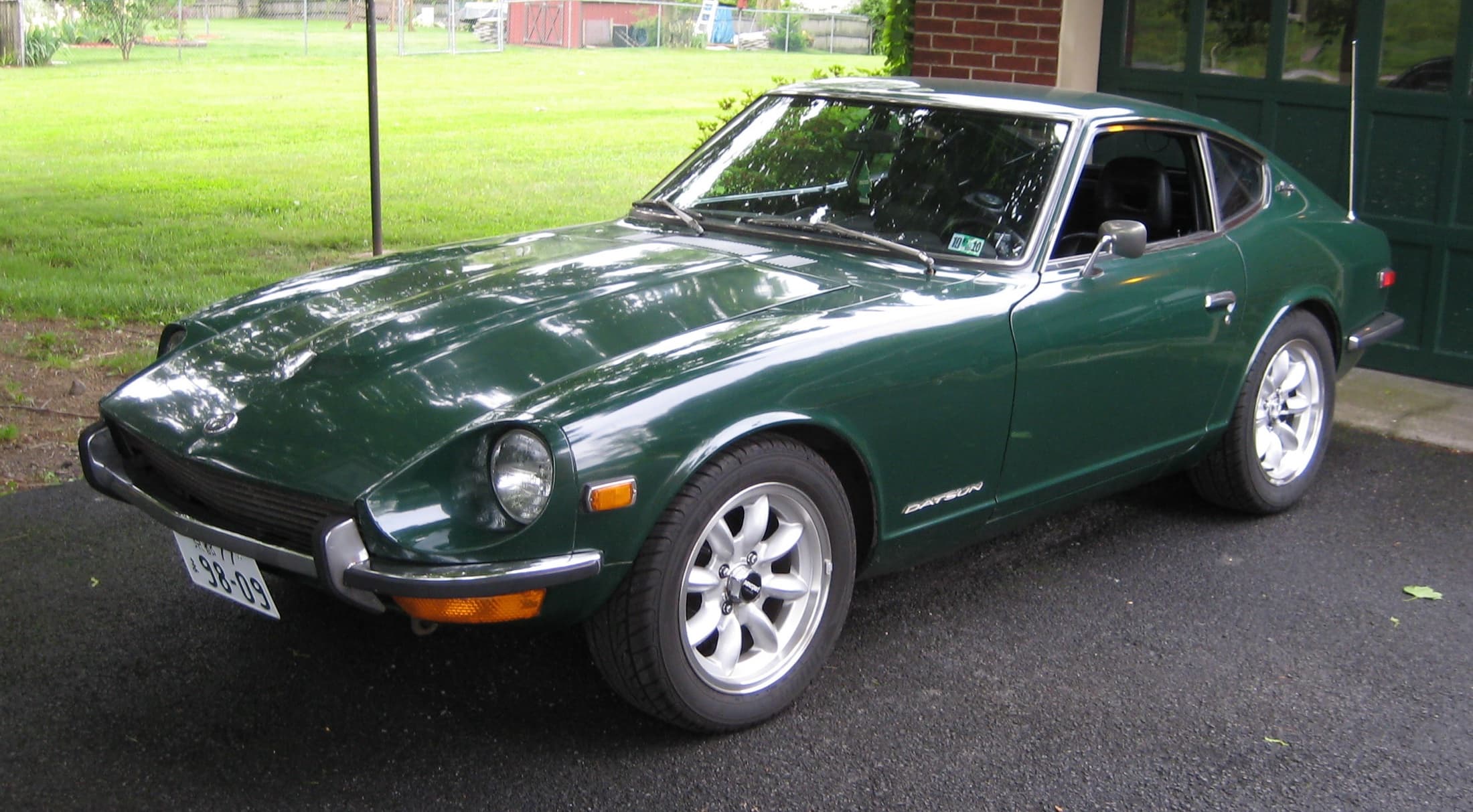
LONG BEACH — Somewhere between the Port of Long Beach and the waterfront grass at Marina Green Park, a lot of the cars on display this weekend first entered the country. On Saturday, from 9 a.m. to 3 p.m., they come back as something rarer than imports: classics people mean when they say the word.
That was not always polite company. When Terry and Koji Yamaguchi founded the Japanese Classic Car Show in 2005, the title itself rubbed collectors and parts of the automotive press the wrong way. Classic, in their ears, meant American muscle or European pedigree. A Honda Civic or a Datsun pickup could be dependable, even cool. It was not supposed to inherit the noun.
"When we started JCCS more than 20 years ago, even calling a Japanese car a 'classic' could be controversial," Terry Yamaguchi, who still runs the show, told the Long Beach Current this week. She and Koji had helped with All Toyotafest through the TORC club. What they wanted was broader: every vintage Japanese badge on one lawn, the way they remembered it from years living in Japan.
They got a yearly ritual instead of a one-off. The 21st edition arrives under the theme "Entering a New Phase," a third decade for a show that helped pull kyusha (old car) out of niche meets and into Southern California's autumn calendar. Yamaguchi is expecting about 10,000 people. Manufacturers still send metal: a Toyota Crown Wagon, Mazda MX-5 Miata, Honda Civic, and Datsun 521 pickup among the features. The Japanese Classic Motorcycle Show turns 15 on the same grass.
None of that invents the 240Z. It changes the room the 240Z walks into. Brand festivals already celebrated their own. JCCS insisted the whole family belonged under one word.
You can hear the handoff in how Yamaguchi talks about the crowd. Uncles who parked early cars became grandfathers. Children who arrived in strollers now drive themselves to Shoreline. Her own son grew up inside the weekend and stayed. "The first generation of enthusiasts helped preserve these cars and build the community," she said. "Now we're watching the next generation discover them, work on them and make their own memories with them."
Petersen Automotive Museum brought JDM Revival back after a decade, a people's-choice fashion contest threaded through the show. Showa silhouettes, yukata, period jackets: the clothes that traveled with the cars long before the mainstream noticed the fenders. Visitors vote at the Petersen booth. You were never only looking at paint.
For Asian American households from Gardena to the San Gabriel Valley to Orange County, Saturday sits closer to family calendar than novelty. These are the badges that already fill church lots and plaza parking. Keeping the older ones alive is a different ownership question than shopping a new RAV4 Hybrid, but it comes from the same corridor.
The Japanese American National Museum's Cruising J-Town project mapped how Nikkei drivers, shops, and racers helped make imports desirable for everyone else. JCCS is what that history looks like when it still fits on a trailer and still smells like hot oil.
If you go, our JCCS 2026 Long Beach event page has the practical notes. Confirm tickets on the official site before you fight Shoreline parking. For the wider basin, start with Southern California car culture.
Yamaguchi no longer has to persuade anyone that Japanese classics exist. The grass at Marina Green fills either way. The quiet win is that the word on the banner no longer sounds like a dare.