India’s Electric Two-Wheelers Are Turning Dhoot Transmission Into More Than a Wiring Company
Bain Capital-backed Dhoot Transmission heads into a $322 million IPO as battery packs, chargers, and converters push non-harness products to 23% of revenue. India’s EV buildout is scooters and three-wheelers first, and suppliers that sell the electrical architecture.
CHHATRAPATI SAMBHAJINAGAR — India’s electric transition is not waiting for a $60,000 crossover in every driveway. It is arriving on scooters, motorcycles, and three-wheelers, and through the suppliers that sell the electrical guts those machines need.
That is the bet Bain Capital-backed Dhoot Transmission is taking into a planned $322.21 million IPO that opens August 10 and closes August 12, with trading expected around August 17. The offer includes a fresh share sale of about 14 billion rupees.
The company built its name on wiring harnesses for automotive and industrial uses. Bajaj Auto, India’s biggest two-wheeler exporter, accounted for about a third of Dhoot’s roughly 45.3 billion rupees in fiscal 2026 revenue.
Electrification raises the value of that wiring work. At the company’s IPO briefing, chief financial officer Nitin Kalani framed the content climb this way: about 100 rupees of Dhoot content on a BS4 two-wheeler, about 400 on BS6, and about 2,000 on an equivalent EV. Ten more EVs on the line can matter as much as fifty more ICE bikes.
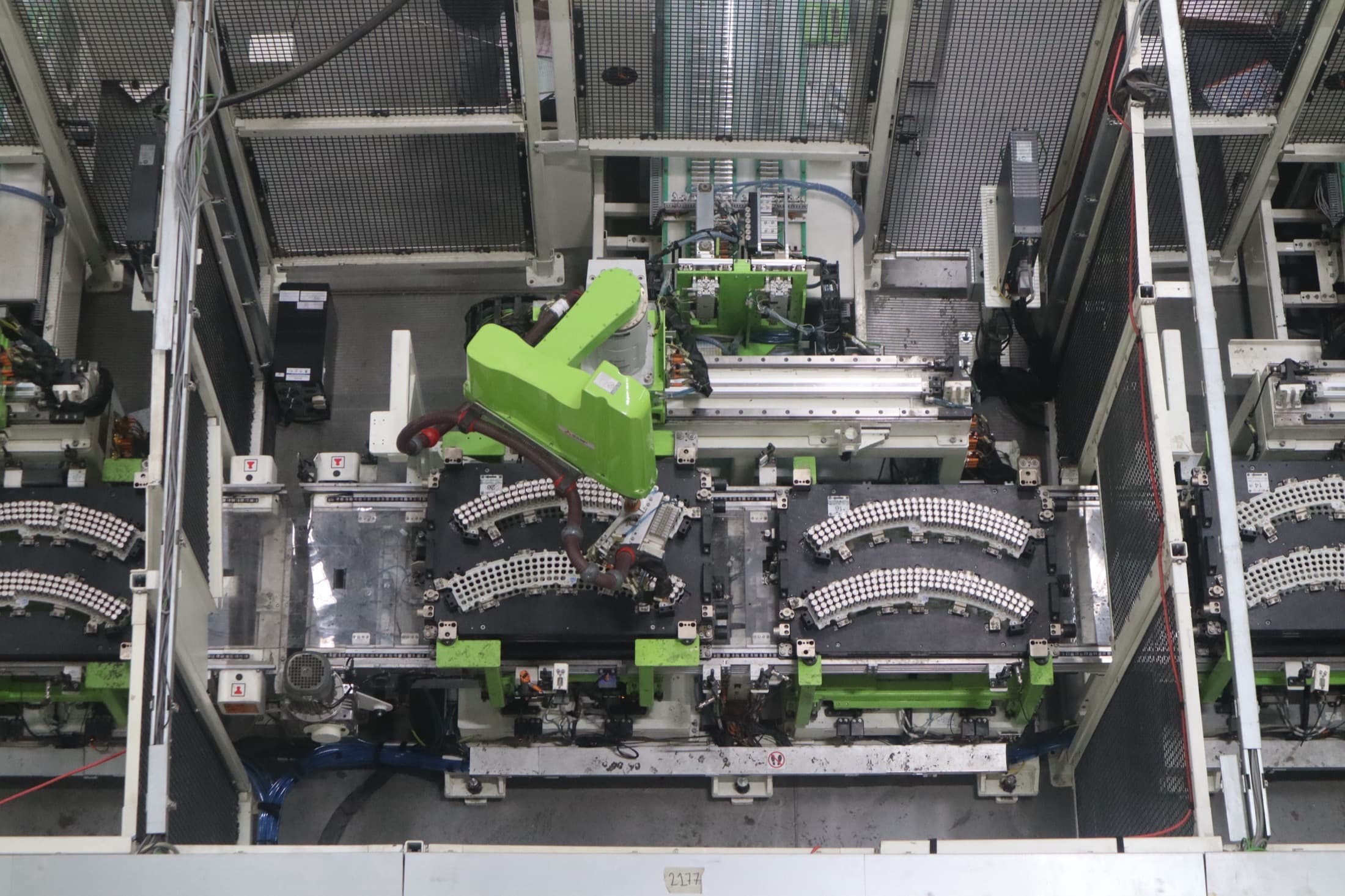
Beyond harnesses, Dhoot is stacking battery assemblies, onboard chargers, DC-DC converters, and charging guns. Non-harness products now make up 23% of revenue, up from about 18% in fiscal 2024.
Kalani told Reuters electrification will be the biggest growth driver, with premiumization close behind. The company has spent about 10 billion rupees on capital expenditure over the past four to five years and still aims for annual margins around 15% to 16%.
The market behind that bet is already skewed toward small EVs. India’s EV retail sales topped about 2.45 million units in fiscal 2026. Electric two-wheelers took about 1.4 million of those, roughly 57% of the EV mix. Electric three-wheelers added about 831,000 units and about 34% of EV sales, with e-3Ws already more than 60% of all three-wheeler sales.
For Eastward readers used to North American charging maps and midsize SUVs, that mix is the point. India’s EV story is volume at scooter prices and last-mile cargo, not waitlists for a family crossover. Compare that path with our hybrid vs EV monthly calculator and the two-car EV-hybrid household split when you are weighing how electrification actually shows up at home.
Concentration is the obvious risk. In the nine months through December 2025, Bajaj alone was about 32% of revenue, and the top five customers, all two-wheeler makers, took roughly three-quarters of sales. A few OEM program delays can move the whole P&L.
Dhoot has already bought its way into denser harness work abroad, including UK and Slovakia plants, which is one path from Indian two-wheeler dominance toward passenger-vehicle and export content. Whether that turns into a global EV-component franchise is still an open question after the listing.
What to watch next week: how investors price the EV-content thesis against that customer list, and whether fresh capital funds more battery and power-electronics capacity or simply cleans the balance sheet. For a North American contrast on where EVs travel well, start with our best EV road-trip regions guide.