
Asian Brands Are About to Clear Half of U.S. Sales Again
Asian brands are headed for more than half of U.S. new-vehicle sales again. Hyundai Motor Group is on pace to outsell Ford this quarter. The cars doing the work are the hybrids already on most family shortlists.
ATLANTA — Hyundai, Kia, and Genesis are about to finish a quarter ahead of Ford.
That is the sharp edge of a bigger forecast from Cox Automotive. Asian brands are expected to take more than half of U.S. new-vehicle sales for a second straight quarter. The traditional Detroit 3 are headed for just over 36 percent, the lowest share Cox has on the books. The market itself is fine. Cox raised its full-year outlook to 16.1 million units from 15.8 million. Americans are still buying cars. They are buying a different mix.
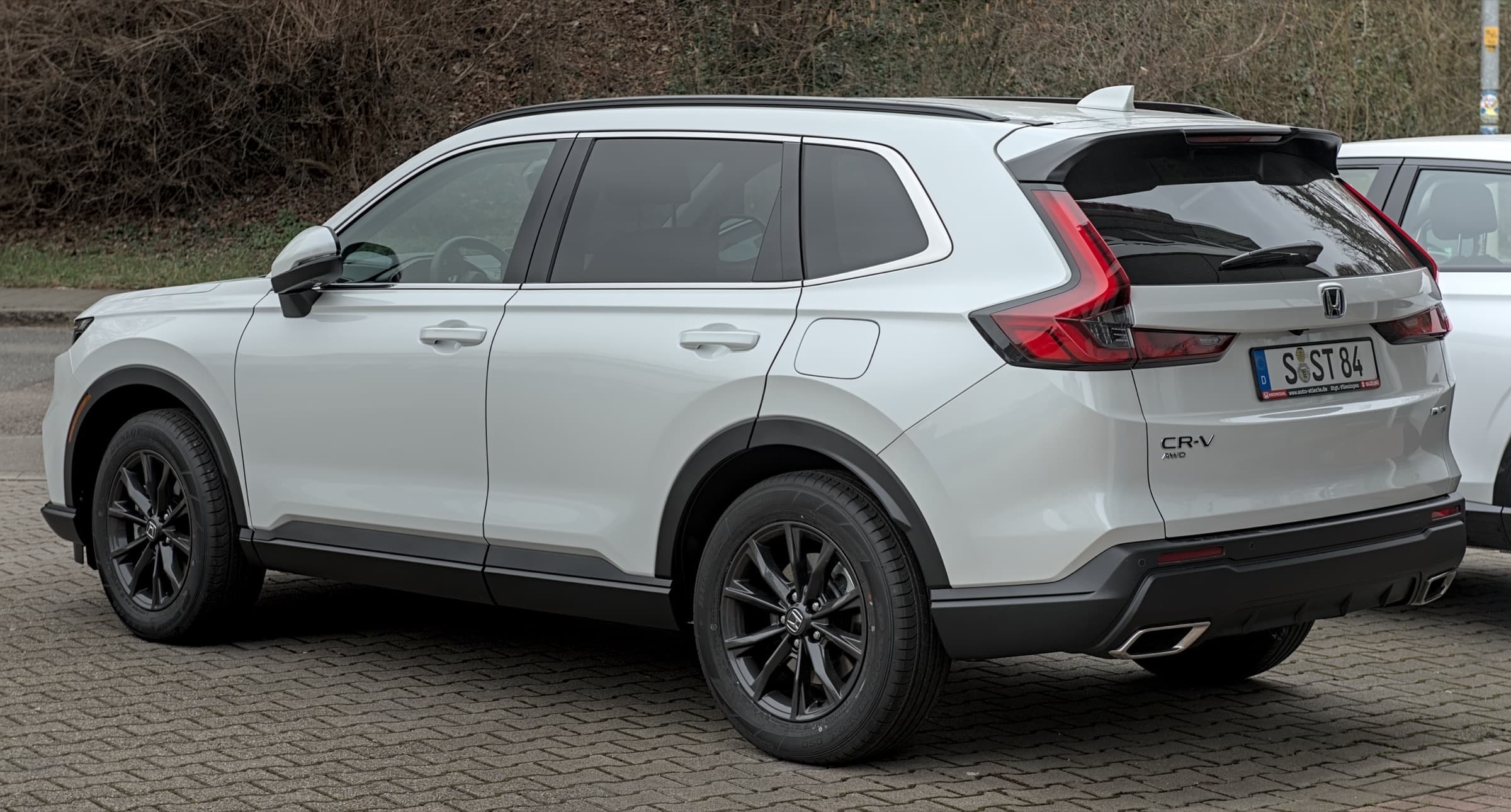
Charlie Chesbrough, Cox's senior economist, said buyers keep moving toward hybrids and passenger cars, "segments where Asian manufacturers maintain significant advantages." Walk a suburban lot from Buena Park to Edison and you already know the names: RAV4 Hybrid, CR-V Hybrid, Tucson Hybrid, Sportage, Camry, Accord.
The Ford race is the one that will get the headlines. Cox projects Hyundai Motor Group, which folds in Kia and Genesis, at 511,421 U.S. sales in the third quarter, up 6.5 percent. Ford, including Lincoln, is at 504,172, down 7.1 percent. That is roughly a 7,200-vehicle gap for July through September.
It is not the full-year story yet. Ford still leads year to date, 12.5 percent share to Hyundai's 11.9 percent. Cox analysts also note Ford has pulled back from rental-fleet volume, a channel where Hyundai and Kia stay busy, and that Ford no longer sells the Escape, the compact SUV that once sat closer to that fight.
Even with those caveats, Stephanie Valdez-Streaty, Cox's director of industry insights, framed the trend as a product problem. Ford and GM still lack the hybrid depth Toyota and Hyundai already sell.
In the second quarter, Cox put hybrid share at a record 16.3 percent, up from 13 percent a year earlier. Kia added about 36,000 hybrid registrations that quarter. Hyundai added about 30,000. Toyota added about 32,000 and still owns roughly 44 percent of the hybrid market. The new growth is arriving from Korea.
Farther up the chart, the old No. 1 race is tightening too. Cox has General Motors at about 672,000 for the quarter and Toyota at about 643,000. Honda is the fastest climber in the names Cox highlights, up 12.2 percent. None of that needs a Chinese brand on an American lot. The half-market story is Toyota, Honda, Hyundai, Kia, Subaru, and the other badges U.S. dealers already stock.
Share this large shows up first as inventory. The cars many Asian American households already prefer are the ones dealers cannot keep. Wait lists stretch. Popular hybrid trims disappear before Saturday. That pressure is why Hyundai is moving Tucson Hybrid production to Alabama. A Montgomery line answers U.S. demand without a 15 percent tariff on every Korea-built unit.
In Canada, the brand mix was already tilted this way in the GTA and GVA. A U.S. share flip will not rewrite a Toronto payment next week. It can still decide which hybrids get built where, and how long the good allocations take to cross the border.
If you are shopping before official October sales land, start with the car you can actually get. Price the hybrid against the gas trim on the same lot. Then run the affordability calculator and the RAV4 Hybrid vs CR-V Hybrid vs Tucson Hybrid guide. The chart is moving. Your payment still has to clear.