
Which Automakers Are Winning America’s Hybrid Reset
Toyota, Honda, and Hyundai Motor Group now control 86% of U.S. hybrid sales as buyers treat hybrids as a destination, not a bridge: better MPG without charging, range planning, or a condo board fight.
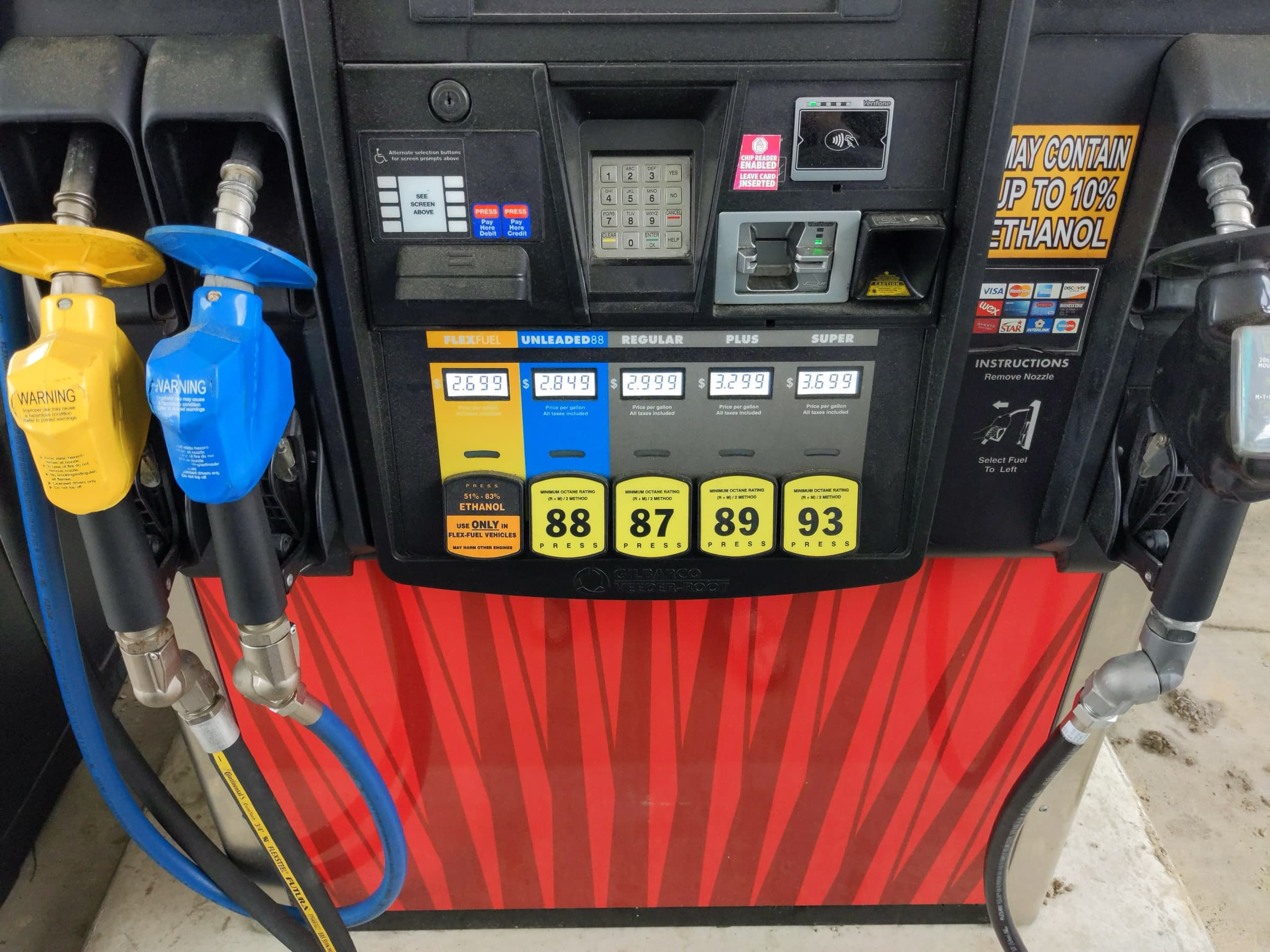
DETROIT — For years the industry treated hybrids like a hallway. Gasoline on one side. Battery-electric on the other. The hallway was supposed to empty.
American buyers never got the memo.
In a Pew Research Center survey of 3,524 U.S. adults from March 16 to 22, 2026, 44% said they would seriously consider a hybrid the next time they buy. Only 32% said the same about a fully electric vehicle. Hybrid interest held near 2024 levels. EV interest is roughly flat with last year and well below the 42% Pew logged in 2022.
That gap matches the showroom. J.D. Power and GlobalData put July hybrid retail share at 15.9%, more than double battery EVs at 7.0%. In the first half of 2026, the Center for Automotive Research put hybrid share at a record 15.4%, nearly three times pure EVs.
Three Asian groups are collecting the paycheck. Toyota, Honda, and Hyundai Motor Group control 86% of the U.S. hybrid market, according to Baum & Associates data cited by CNBC. Toyota and Lexus alone sold more than 600,000 hybrids in the first half and hold about half the segment. Hyundai Motor Group edged Honda for second in hybrid volume, while Honda still posts the second-bestselling hybrid brand badge and a U.S. hybrid sales record through June.
Automakers expected a cleaner leap. Regulators wrote timelines around battery-electric fleets. Capital markets priced stocks on EV volume. Many product plans treated hybrids as a temporary compliance patch while dedicated EV architectures scaled. The bet assumed charging would catch up, battery costs would fall fast enough for mass-market prices, and households would accept a new fueling ritual.
Households stopped where the friction stopped.
A hybrid still pulls into a gas station. It does not need a Level 2 install, a condo board vote, or a public-charger scavenger hunt on a Tuesday night. DOE’s Alternative Fuels Data Center still frames home charging as how most plug-in drivers refill. Energy Innovation has put home-charging access near 94% for EV drivers in detached houses versus about half for apartment residents. Nearly a third of U.S. households live in multifamily housing. That is a mass-market wall, not a niche caveat.
Toyota’s supposedly conservative multi-pathway strategy aged into an inventory advantage. While rivals wrote big battery bets, Toyota kept iterating hybrids buyers already trusted. Akio Toyoda spent years arguing carbon was the enemy, not the combustion engine. In 2026 that sounds less stubborn and more like reading the driveway.
Honda’s play is simpler and harder to copy. Make the mainstream model the hybrid. In July, American Honda set an all-time monthly hybrid record at 36,609 units. Hybrids were 54% of CR-V sales, 41% of Accord sales, and 32% of Civic sales. After parking the Prologue EV for North America, Honda is expanding hybrids into larger nameplates rather than pretending every buyer wants a wall plug.
Hyundai and Kia made hybrids feel less like a Prius lecture and more like the SUV people already wanted. Turbo-hybrid Tucson, Santa Fe, Sportage, Sorento, and Telluride-class volume sell style, warranty, and power first. Kia’s July was a record 75,857 units, with hybrid sales up 108% year over year and hybrids about 27.7% of brand volume. Across Hyundai and Kia, July hybrid sales jumped 52.2% to 43,727 while combined EV sales fell 40.5% after the federal credit cliff.
Plug-in hybrids were supposed to be the neat middle. For now they are a thin slice. EIA estimates put PHEVs at 1.4% of U.S. light-duty sales in Q2 2026, down from 1.9% a year earlier. A PHEV still needs somewhere to plug in if you want the electric miles you paid for. A regular hybrid does not. That is why non-plug hybrids keep taking the volume.
The Asian models most likely to define the next several years are already in traffic: Toyota’s hybrid-only Camry and redesigned RAV4 Hybrid and PHEV; Honda’s CR-V, Accord, and Civic hybrids; Hyundai’s Tucson and Santa Fe hybrids; Kia’s Sportage, Sorento, Carnival, and Telluride hybrids. Baum & Associates expects hybrids near a quarter of the U.S. market by 2030.
For Asian American and Asian Canadian households already cross-shopping RAV4 Hybrid against CR-V Hybrid or Tucson Hybrid, the industry just caught up to the dinner-table vote. Run the hybrid versus EV monthly calculator, our EV versus hybrid guide for Asian American drivers, and charging at condos and apartments before you let a salesperson narrate destiny.
Keep July’s hybrid share note and the hybrid comeback guide nearby. Full electric still matters for the right driveway. The brands that kept building cars you can fuel anywhere are the ones winning the year America stopped treating the hybrid like a waiting room.