
U.S. Gas Crosses $4 Again in the Middle of Road-Trip Season
AAA's national average hit $4.003 on July 20, the first time above $4 in more than a month, while diesel reached about $5.11 as summer driving and oil-market risk collided.
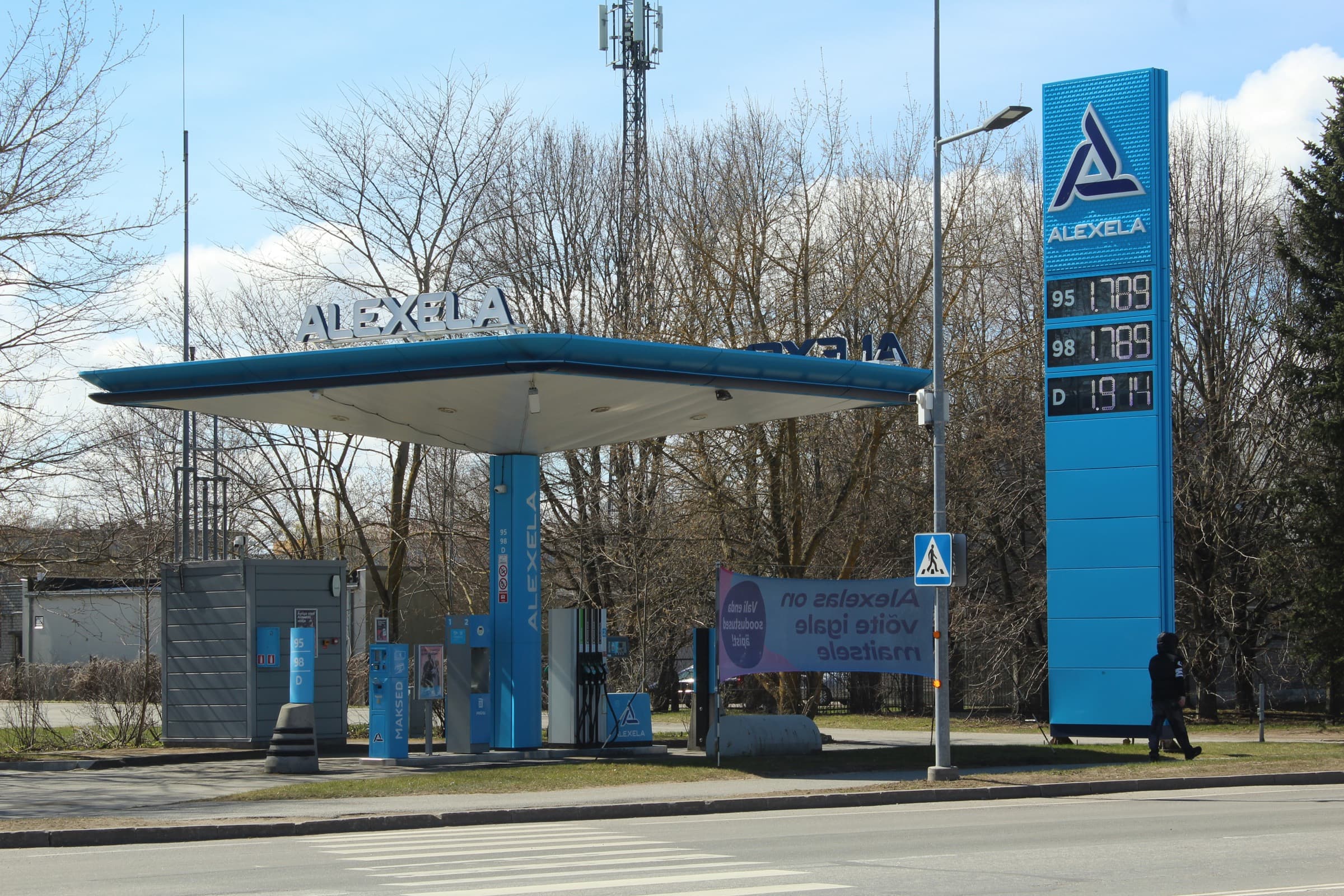
WASHINGTON — The July 4 dip did not hold. AAA's daily fuel tracker put the U.S. national average for regular gasoline at $4.003 on July 20, the first close above $4 in more than a month after a spring that had already taught drivers what a $4.50-plus average feels like.
A week earlier, that average sat near $3.87. A month earlier it was about $3.95. A year earlier it was about $3.14. Diesel, which moves freight and eventually grocery shelves, averaged about $5.11. Mid-grade and premium followed the same climb, at roughly $4.49 and $4.87.
CBS News, working from the same AAA data, noted the reading was the first national average above $4 since mid-June, when prices last touched about $4.02. The spring peak AAA logged was $4.56 in May, before an interim diplomatic pause briefly softened crude and pump prices. Fighting around the Strait of Hormuz has put oil risk back into the summer spreadsheet.
Treat the national number as a weather map, not a receipt. California and Washington still live in a different fuel economy than Texas or Indiana. On a 15-gallon fill, $4.003 is about $60 before you buy snacks. The May peak was closer to $68. That is real money on a Chicago-to-Michigan weekend or a Bay Area run to Tahoe, and it compounds if you are towing, driving a three-row SUV, or making two fills in a long weekend.
Canada is not watching a different movie. CAA's national average sat at 172.7 cents per litre as of its July 21 update, up from 163.4 a week earlier and 135.6 a year earlier. CityNews En-Pro data had Greater Toronto stations near 179.9 cents per litre around July 20. Converted loosely, Canadian pumps in the high-170s per litre remain tougher than a $4 U.S. gallon for many GTA households planning the same summer miles.
Public charging is the parallel line worth checking if your household already owns an EV or plug-in hybrid. AAA's mid-July fuel note had the national public EV charging average near 42 cents per kilowatt-hour. That is not free road-tripping either, especially on DC fast chargers, but it is a different ledger from watching diesel and regular climb together.
If you still have July or August miles left, price the trip instead of arguing about the ticker. Run distance and local pump assumptions through our EV versus gas road trip calculator, then check weekday loops in the commute cost calculator. Corridor plans that still make sense when fuel is ugly include Chicago to Michigan lake towns and San Francisco to Lake Tahoe.
This follows AAA's early-July pattern, when holiday relief near $3.83 flipped back toward $3.84 within days. The lesson then still applies: a brief dip is not a cheap summer. Fill before you are empty, compare the state you are sleeping in rather than the national average alone, and do not let a $4 headline rewrite a trip that was already budgeted with eyes open.
Households that were waiting for "gas to settle" before booking a long weekend now have a clearer answer. It settled above four bucks. Plan the car, the stops, and the fuel math around that, or wait for a cooler stretch that may not arrive before Labor Day.