
Why Asian America Caught Onto EVs So Fast
Asian American households were about 7% of U.S. new-car regs and more than a quarter of Tesla's. They lived near Fremont, earned enough for the expensive one, and already buy new tech first.
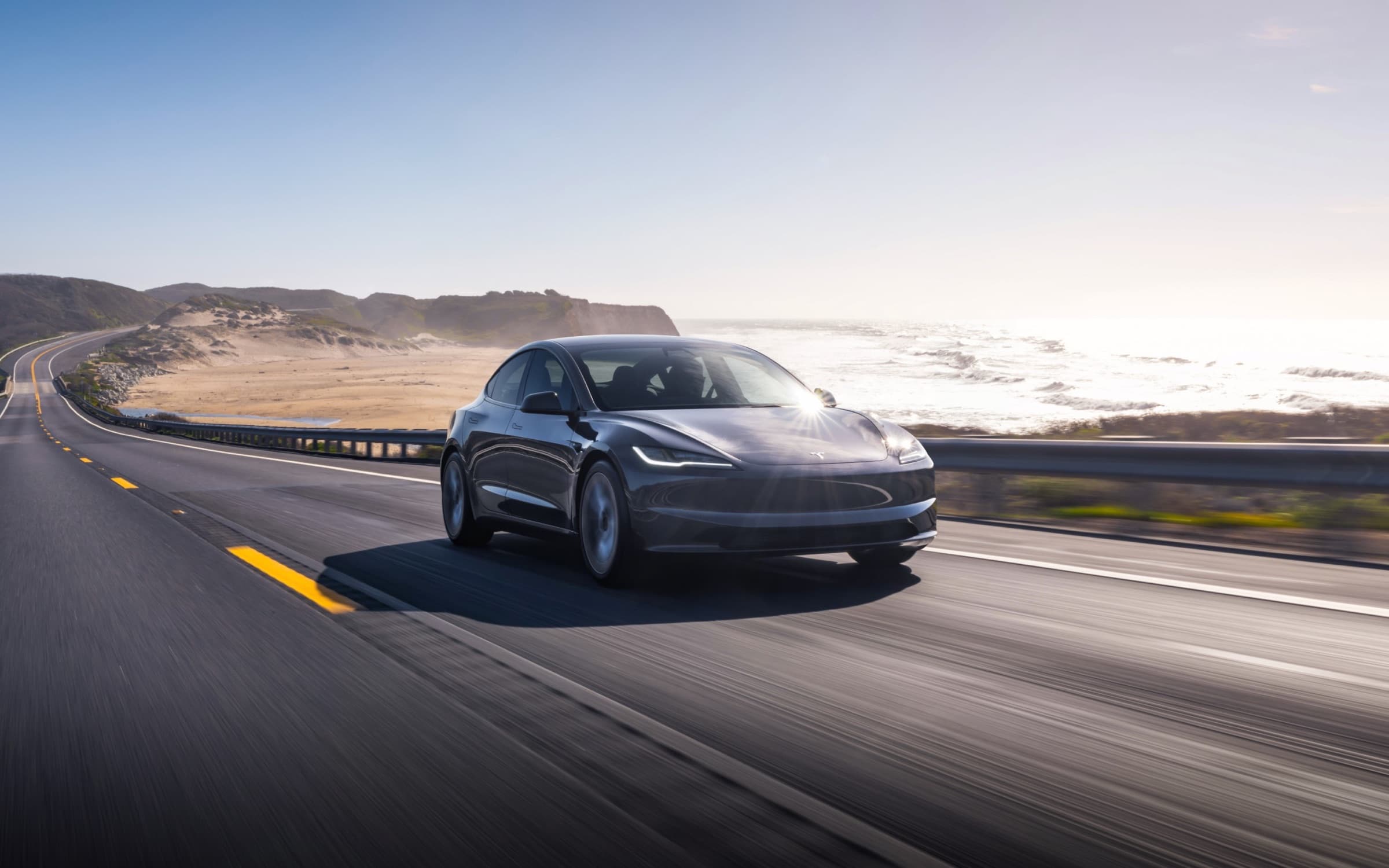
FREMONT — Walk a South Bay office park in 2019 and the Model 3 was already a uniform. S&P Global Mobility, which tracks registrations by household, later put a number on those lots. In the first quarter of 2025, Asian American households were about 7.2% of U.S. new-vehicle registrations and 27.2% of Tesla's.
People keep calling that culture. It is mostly who could buy an expensive car you order like a phone, and who already lived next to the plant that built it.
Tesla launched from Fremont. The first 30 Model 3s went to employees on July 28, 2017. By the end of 2023, California still held about 35% of the country's battery-electric fleet, per Energy Department registration counts.
Santa Clara County is 44% Asian, according to Census QuickFacts. Pew Research Center says more than half of U.S. Asians live in California, New York, Texas, New Jersey, or Washington. Tesla sold first where those households already were.
Money did the rest. Census figures for 2023 put Asian household median income at $112,800, against $80,610 nationwide. Early Teslas were priced like a stretch, not a Civic.
A 2023 National Science Foundation count found 38% of Asian workers in STEM occupations, the highest share of any group. A campus badge and a Tesla keycard showed up in the same lots.
The car fit the habit. Pew found 51% of Asian American adults had a bachelor's degree or more in 2021, against 32% of U.S. adults. You ordered a Model 3 online, updated it over the air, and skipped the dealer argument. Households that already treated phones as default treated the car the same way.
S&P's 2022 file made the brand lock obvious. In the first five months of that year, nearly 80% of Asian EV registrations were Teslas, versus 66% across the EV market. By mid-2025, Asian Americans were 19.4% of battery-electric registrations. Tesla got there first.
The 2025 cut still shows the shape. Those households were 13.7% of Rivian and 2.3% of full-size pickups. A truck body didn't travel with the software habit.
Pew's education spread is the other warning against one driveway story. It runs from 72% of Indian American adults with a bachelor's or more to 33% of Vietnamese adults. Condo charging and a used ES payment cut the same way.
North of the border, figures from B.C.'s public auto insurer, ICBC, as reported by the Vancouver Sun, found Teslas were more than half the EVs on provincial roads in 2022, clustered in Metro Vancouver. A large share of Chinese and South Asian Canadian households already live there. Same map.
Income, jobs, and zip codes look like culture from far away. Up close they are adoption speed. Tesla was the first EV that behaved like software at scale.
If you're deciding whether that still applies at home, price the car you can actually charge. Start with our registration cut on what Asian American buyers are purchasing, then run the hybrid versus EV monthly calculator.
The next over-index will not be a pickup. It will be whatever ships like a gadget into the same metros.