
Used Car Prices Flat in July as Off-Lease Inventory Floods the Market
Used car prices barely budged in July with just $50 in monthly growth, median hitting $25,800. A flood of off-lease inventory—up 25.7% in 2026—is cracking prices in vans, minivans, and other segments, creating better conditions for buyers.
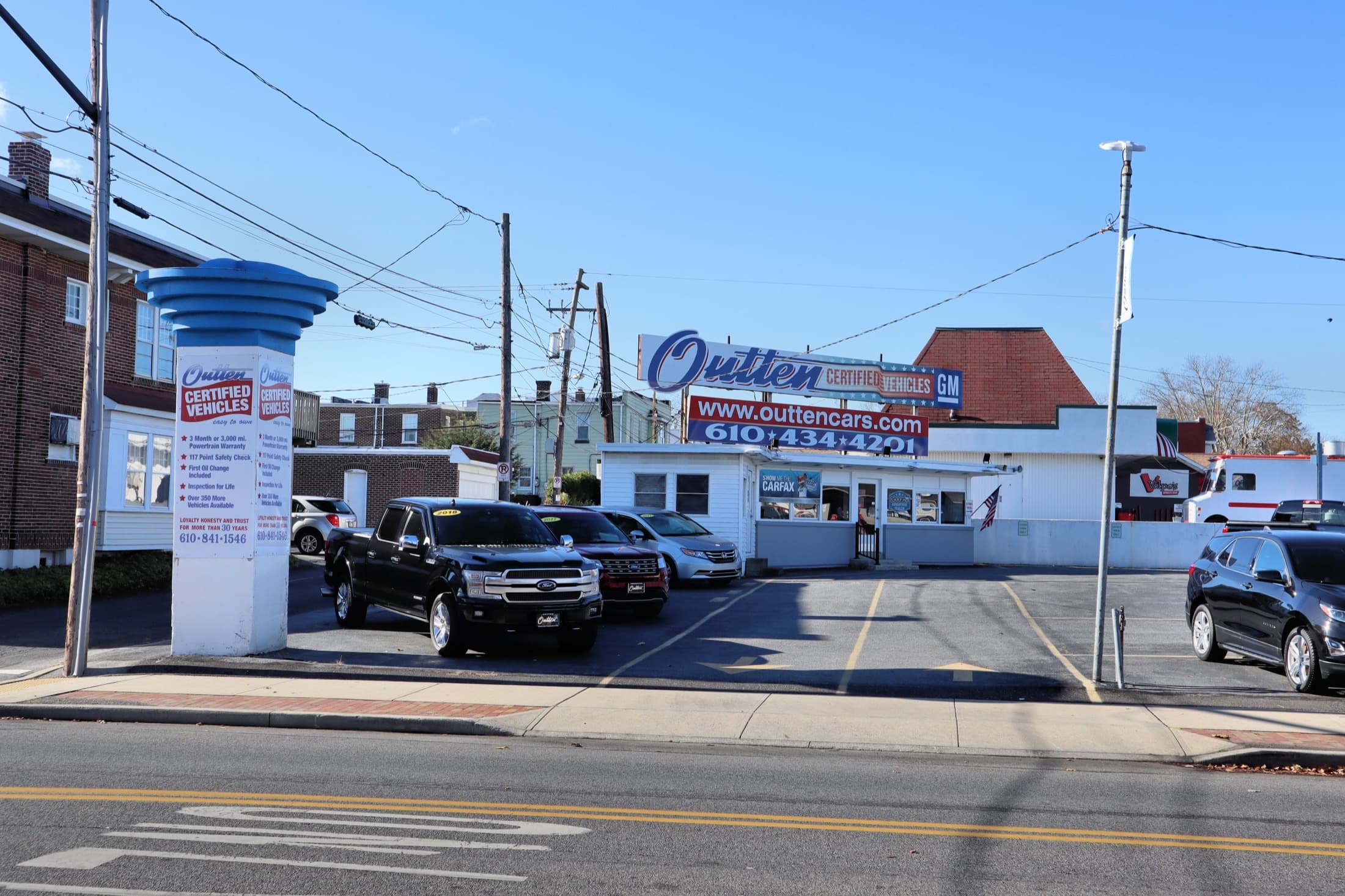
ATLANTA — If you've been waiting for used car prices to stop climbing, the market finally heard you.
On July 28, CARFAX reported that median used car prices inched up just $50 month-over-month in July, landing at $25,800. That's basically flat. For context, the first half of 2026 saw sharp monthly gains as inventory remained constrained and affluent buyers kept demand hot. Now the script is flipping.
The culprit is one word: inventory. Off-lease vehicles surged 25.7% in the first half of 2026, with nearly 500,000 additional vehicles flooding used-car lots compared to the same period last year. That glut is hitting specific segments hard—vans and minivans are the most visible casualties, with prices cracking as supply outpaced buyer interest.
Why does this matter to your household? Three-year-old vehicles are aging off their initial leases right now, and a lot of them are Japanese brand models—Camry, Accord, Civic, CR-V. Those came from leases during the high-residual-value years, and they're hitting the used market at the exact moment that inventory pressure is at its highest. Prices are not collapsing. They're just not climbing anymore.
For Asian American families shopping the used market—and many do, prioritizing reliability and total cost of ownership over new-car gloss—this is the environment to shop actively. Your negotiating leverage just improved. If a dealer is holding firm on a $23,000 used Honda Accord or Toyota Camry, you have four more exactly like it an hour away. Walk. That's not a criticism of the car. It's just math.
Segment-by-segment, compact and mid-size sedans remain the volume spine of the used market, but minivans and family vans are seeing the sharpest price relief. If your household needs that space and was waiting for the market to breathe, now is the moment to pull comps and test-drive.
Used inventory did not clear because demand vanished. It cleared because lease cycles are maturing and off-lease supply is real. A new-car shortage that lasted three years is now a used-car surplus—and the second-hand shopper is the winner in that trade. Dealer "we have limited inventory" theater is now a seller's tactic because their lot actually is quieter. That's your opening.
Run the car affordability calculator on the exact used vehicle you're considering, not just the sticker. Pair it with shop auto insurance before you buy to see how monthly insurance lands on the full payment. If you're cross-shopping used and new, the lease versus finance calculator keeps the math honest. And if reliability and resale are your guides, the total cost of ownership calculator is where used-car homework lives.
Inventory doesn't stay flooded forever. While it is, prices don't either.