
Genesis Climbs to Number Two in J.D. Power’s 2026 Initial Quality Study
A seven-place jump to 151 problems per 100 vehicles puts Genesis behind only Porsche. The climb was powered less by panel gaps than by screens, controls, and usability.
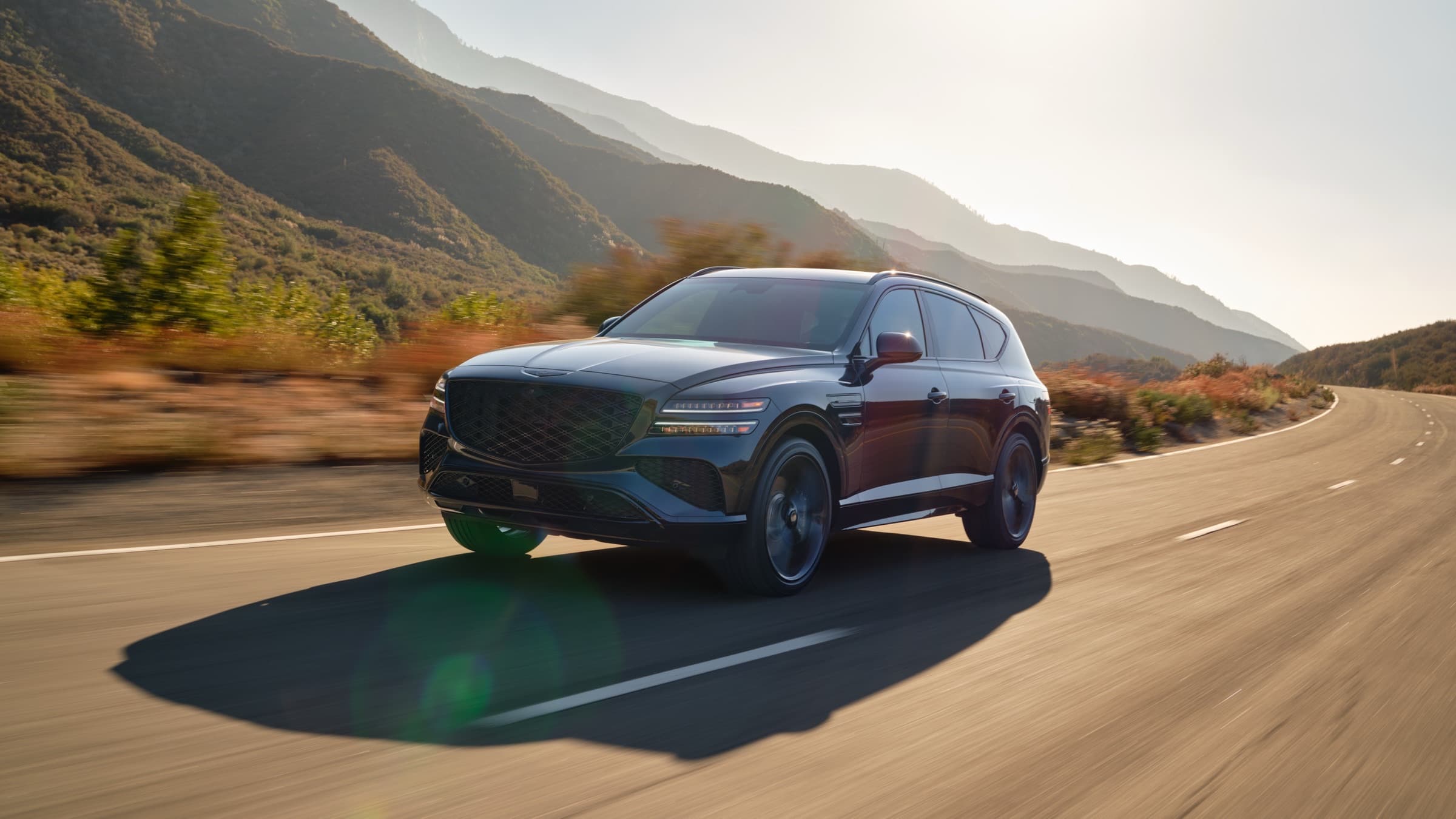
FOUNTAIN VALLEY — Genesis did not inch up the chart. It jumped.
In J.D. Power’s 2026 U.S. Initial Quality Study, Genesis finished No. 2 overall at 151 problems per 100 vehicles, up seven places from ninth in 2025. Only Porsche scored better, at 138 PP100. Among premium brands, that leaves Genesis second behind Porsche, with Lexus third at 156. The industry average improved to 175 PP100 from 192 a year earlier, the kind of broad lift that makes a brand leap harder to dismiss as noise.
What moved Genesis was not a single halo claim. The G70 compact premium car, G80 upper midsize premium car, and GV80 upper midsize premium SUV each landed in the top three of their segments. Genesis says the brand rise was driven hardest by the G80, where owners reported fewer problems concentrated in infotainment, features and controls, and overall usability.
The GV80 followed a similar path: broad gains that included infotainment, features and controls, and exterior. That pairing matters for Asian American and Asian Canadian households already shopping Genesis against Lexus and Acura. Many of those driveways start with an SUV. This year’s quality story is whether the screen and switchgear feel finished in the first 90 days.
J.D. Power’s study still counts traditional build complaints, but the scoreboard increasingly behaves like a software report card. Across the industry, nine of ten categories improved. Infotainment was the exception. Mass-market vehicles logged 44.4 PP100 in that category; premium vehicles logged 38.3. Android Auto and Apple CarPlay connectivity alone added 1.4 PP100 year over year, the largest single drag on infotainment quality.
Frank Hanley, senior director of auto benchmarking at J.D. Power, put the industry problem in plain language: the biggest gains come from simple controls and software that works the way customers expect. When the tech gets complicated, problem rates rise. Genesis’s climb sits inside that frame. The brand improved in the exact categories that now decide early ownership, while the industry as a whole got worse at phone pairing.
Read the study carefully. Initial quality is owner-reported problems in the first 90 days, not a 100,000-mile durability verdict. A lower PP100 is better. This year’s dataset covers 78,514 buyers and lessees of new 2026 model-year vehicles. It is a strong early signal, not a forever warranty.
For shoppers comparing Genesis to Lexus, the practical takeaway is specific. Ask the dealer to demonstrate wireless CarPlay or Android Auto before you leave the lot. Spend ten minutes in the climate and driver-assist menus without a salesperson narrating. If the G80 or GV80 feels calmer there than last year’s loaner, that is the improvement Genesis is banking on.
Canadian buyers will not see this U.S. survey stamped on a Transport Canada form, but the same model families and software stacks show up north of the border. Treat the ranking as a shopping filter, then verify the car in front of you.
Our Genesis and the new luxury question page is still the longer ownership read. If the shortlist is premium crossovers, keep why Lexus still owns the comfort conversation and the best luxury SUVs for family road trips guide nearby. Genesis just made the quality argument louder. Make the dealer prove the phone still connects on the second try.