
China’s Record Recall Is About Finding the Door When the Power Dies
Tesla, Xiaomi, Leapmotor, Xpeng and others filed China’s largest recall round over emergency mechanical door releases that blend into the trim. Labels and post-crash window OTAs are the fix for now. A 2027 rule bans hidden exterior handles.
BEIJING — If the low-voltage system dies in a crash, the button that usually opens an EV door may do nothing. That is the scenario China’s market regulator forced into the open on Friday.
The State Administration for Market Regulation disclosed the largest single round of auto recalls in the country’s history. Tesla and about 10 other makers, including Xiaomi, Leapmotor, and Xpeng, filed plans the same day. Reuters put the door-release campaign alone near 4.3 million vehicles. Broader same-day filings, including a separate Tesla software action, push the combined count past 7 million.
Regulators flagged mechanical emergency releases that sit too close in color to the surrounding interior trim. After a crash that kills electrical power, occupants and rescuers may not find them fast enough.
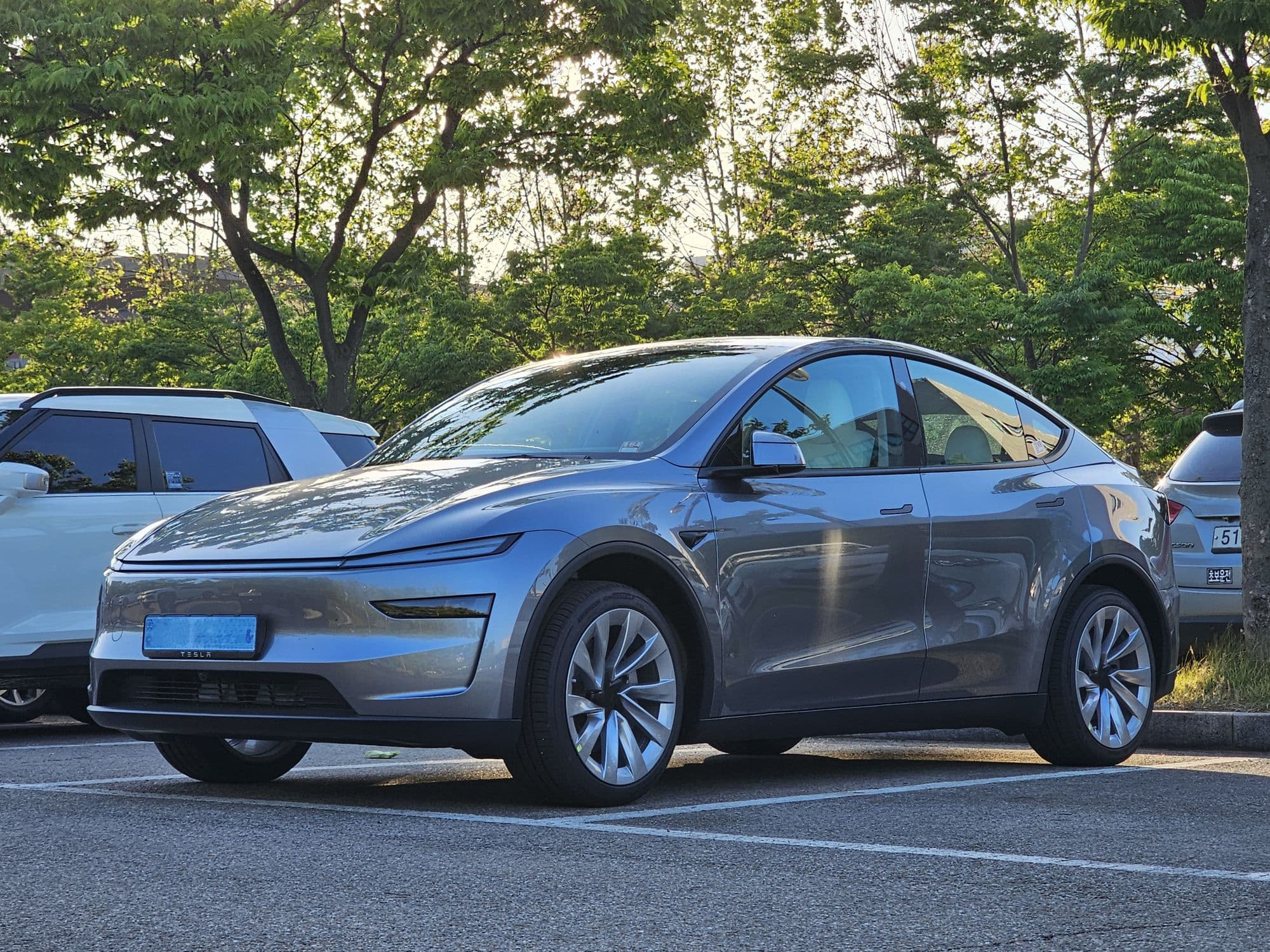
Tesla is the largest piece. Nearly 3 million China-built and imported Model 3, Model Y, Model S, and Model X vehicles join the door-release campaign effective September 25. The remedy is free warning labels plus an over-the-air update that lowers the windows after a collision. Some cars that already carry labels will not get them again.
Xiaomi is recalling about 390,000 2024 SU7s with labels and an OTA of its own. Leapmotor covers roughly 371,000 C11 and C01 vehicles. Xpeng is recalling about 265,000 G6, P7+, and X9 units with labels only. Other Chinese brands filed smaller campaigns, some swapping covers rather than sticking stickers.
Tesla also filed a separate, immediate recall of about 2.74 million China-built Model 3 and Model Y cars over driver-attention monitoring while assisted steering is engaged. That OTA adds cabin-camera monitoring on top of steering-wheel torque sensing. It is a different defect on the same disclosure day.
The filing also lands ahead of a harder design rule. China’s mandatory standard GB 48001-2026, released in February, takes effect for new models on January 1, 2027. Every door must carry a mechanical release. Purely electronic hidden exterior handles, the look Tesla popularized and Chinese EV makers copied, lose type approval for new models. Cars already approved get a transition window through January 2029.
U.S. owners should treat Friday as a preview, not a VIN letter. In July, the National Highway Traffic Safety Administration denied a defect petition on about 180,000 model-year 2022 Model 3s whose owners argued the manual release was hard to find after power loss. NHTSA said current FMVSS 206 does not cover labeling or placement of emergency mechanical releases, and that it had found only one matching complaint in its databases.
That denial came with a longer fuse. The agency granted a separate petition to begin rulemaking on a new federal standard for “robust and obvious” door egress across all vehicles. China set a calendar date. The U.S. process is still gathering evidence.
For Asian American Tesla and Chinese EV households, the useful move is tonight. Open the owner’s manual section on emergency exit. Find the mechanical release on each door before anyone needs it in the dark. Teach every regular passenger. If a software update adds a post-crash window-drop, install it.
Check active U.S. campaigns on our Recall Watch and run your VIN at NHTSA. Pair this with our Tesla suspension probe note if you are already tracking Model 3 and Model Y safety homework.
Sleek doors sell on the showroom floor. In a dead-battery crash, the only design that matters is the one you can find with your fingers.