
California Rewrites Car-Buying Rules With Used Returns and Pricing Reforms
New state laws add a three-day return window for used cars under $50,000, require honest advertised pricing, and let automakers opt out of recent lemon law changes.
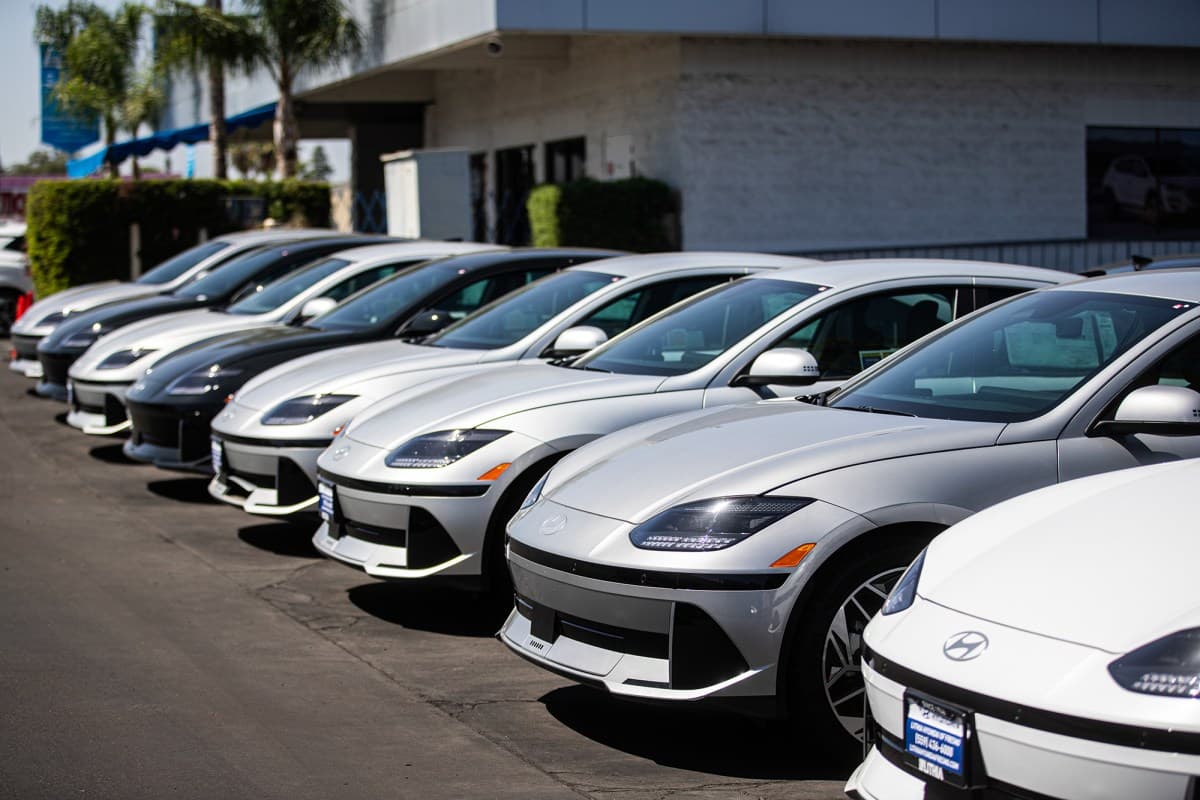
Governor Gavin Newsom signed Senate Bill 766, which gives California used-car buyers a three-day return window on vehicles purchased for under $50,000, with dealers permitted to charge a restocking fee. The law requires advertised prices to reflect honest out-the-door costs and bans useless add-ons such as oil-change packages on electric vehicles.
It takes effect in October 2026.
Separately, Senate Bill 26 allows manufacturers to opt out of narrowed lemon law protections adopted in 2024. Ford and General Motors opted in to the updated rules, while Toyota and Honda did not.
The 2024 law shortened the lemon law window to six years from the full warranty period. State Senator Ben Allen, who championed the used-car reforms, bought a used Ford Mustang Mach-E after visiting multiple dealers and experiencing the pricing opacity the bills target.
CalMatters reported that the reforms aim to reduce bait-and-switch advertising and protect buyers who lack leverage in finance offices, particularly on used EV purchases where add-on service packages have little practical value.
California car shopping has needed this for years, and the October 2026 effective date gives dealers time to adjust while buyers should mark their calendars.
A three-day return window on used cars under $50,000 directly helps first-time buyers, especially in immigrant and AAPI families where parents join the dealer visit and everyone feels pressure to sign before leaving the lot.
Senator Ben Allen buying a used Mach-E after frustrating dealer visits is the kind of detail that confirms these laws were written from real friction, not theory.
Honest advertised pricing sounds obvious, but anyone who has shopped in the Bay Area or Orange County knows the sticker on the website rarely matches the out-the-door quote.
For Vietnamese American and Chinese American buyers in NorCal and SoCal who negotiate hard and still get surprised by doc fees and add-ons, requiring real advertised prices removes the most common trap in the finance office.
Banning oil-change add-ons on EVs is a small line with a big signal.
Dealers have been padding contracts with maintenance packages that make no sense on a car without engine oil.
If you are a young professional buying your first EV in Fremont or Torrance, that protection saves real money and signals that Sacramento understands how EV sales get gamed.
The split lemon law is the fine print that can override everything else.
Ford and GM opted into the 2024 changes that shortened the lemon window to six years from the full warranty.
Toyota and Honda opted out, meaning their buyers retain longer protections.
If your household swears by Toyota reliability or is cross-shopping a GM EV, the legal recourse timeline should be part of the brand conversation, not a surprise three years into ownership.